
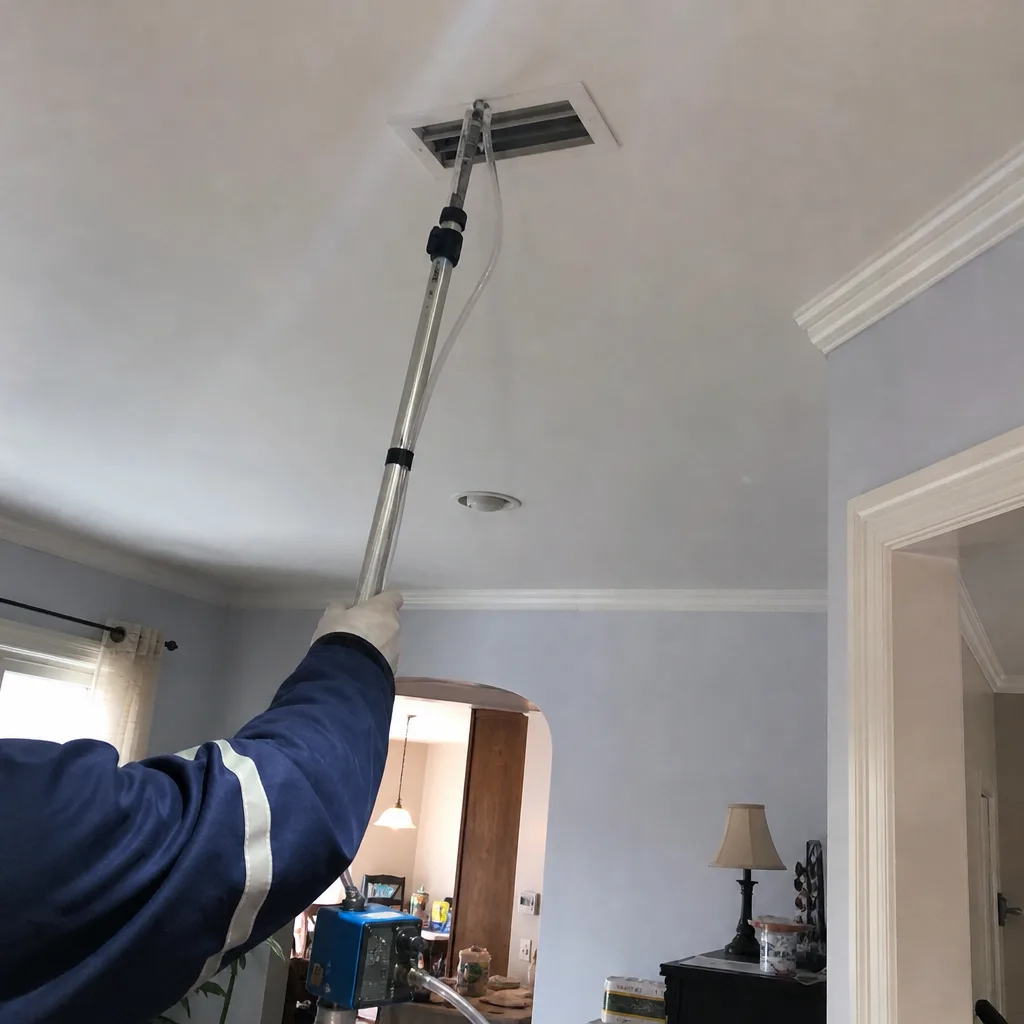
Last updated November 22, 2026
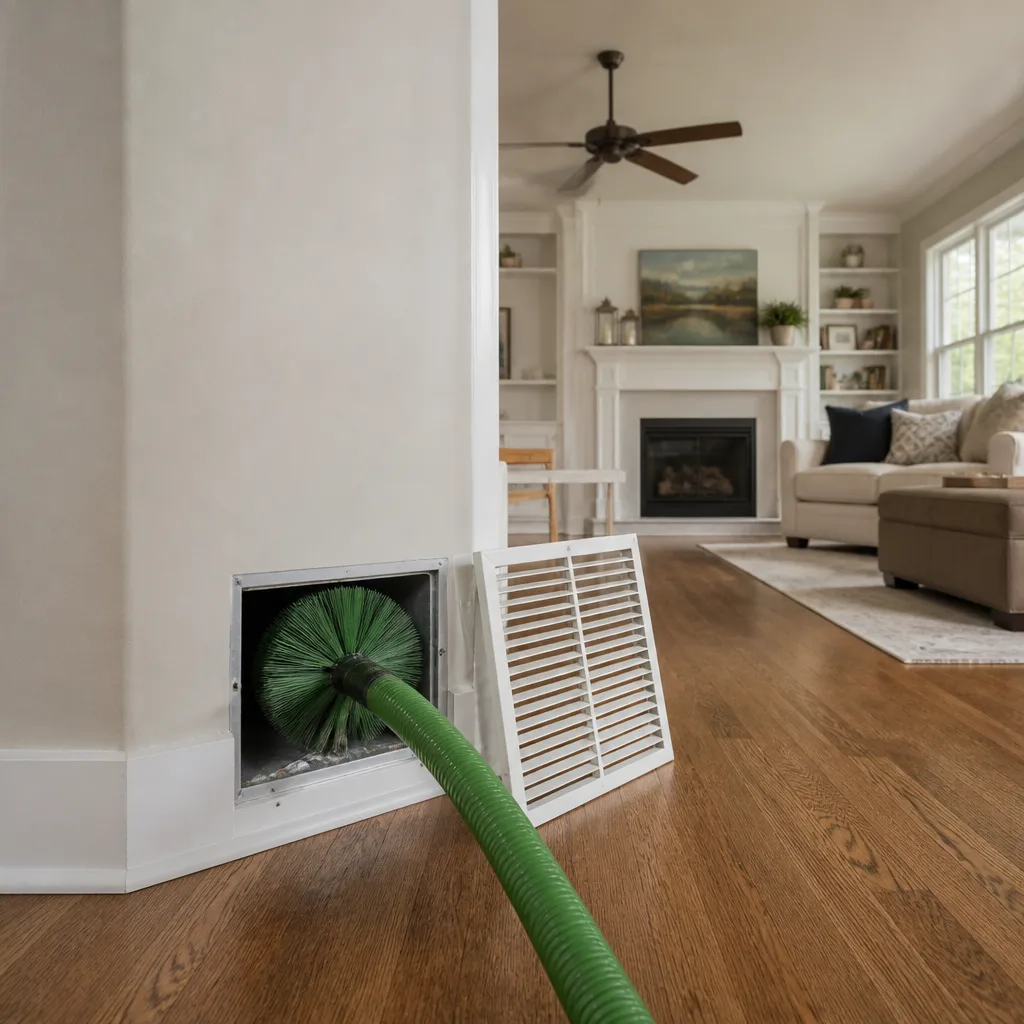 Whole-home duct cleaning
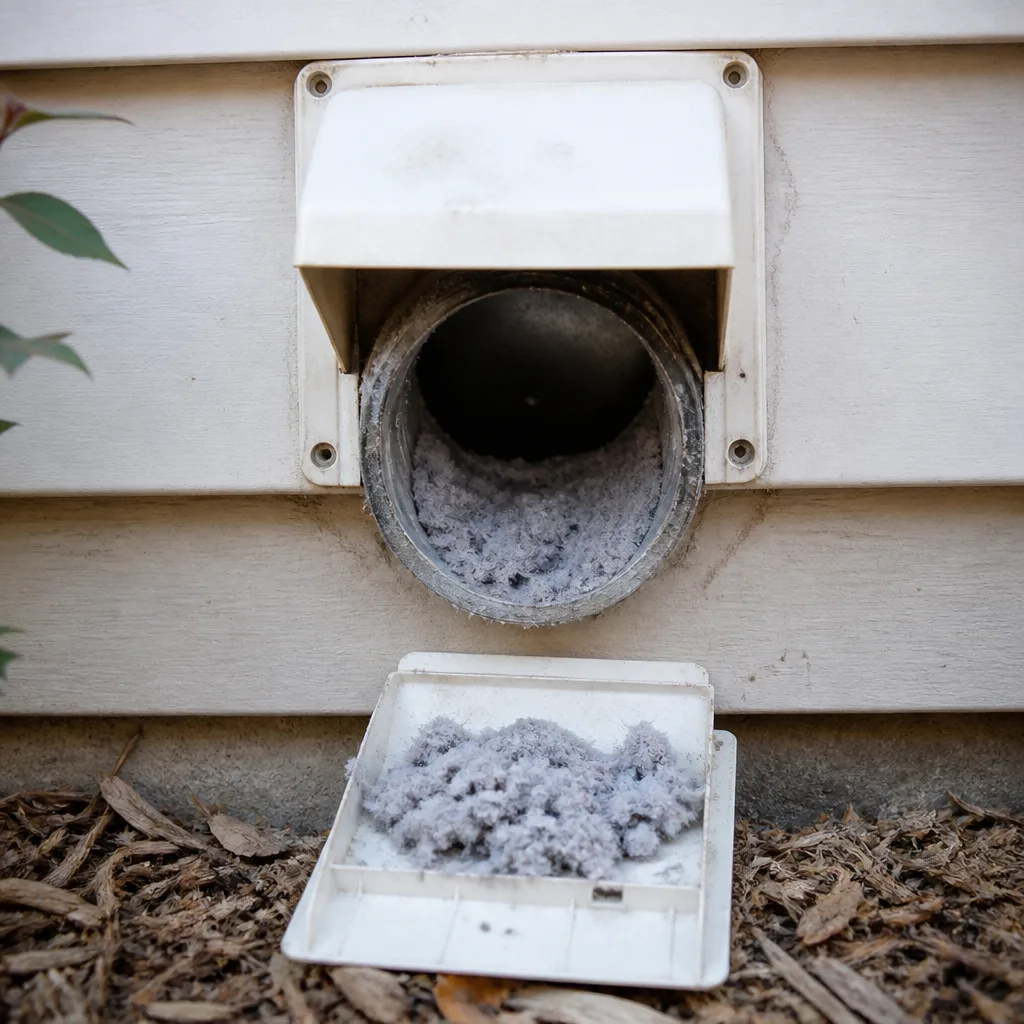 Dryer vent cleaning
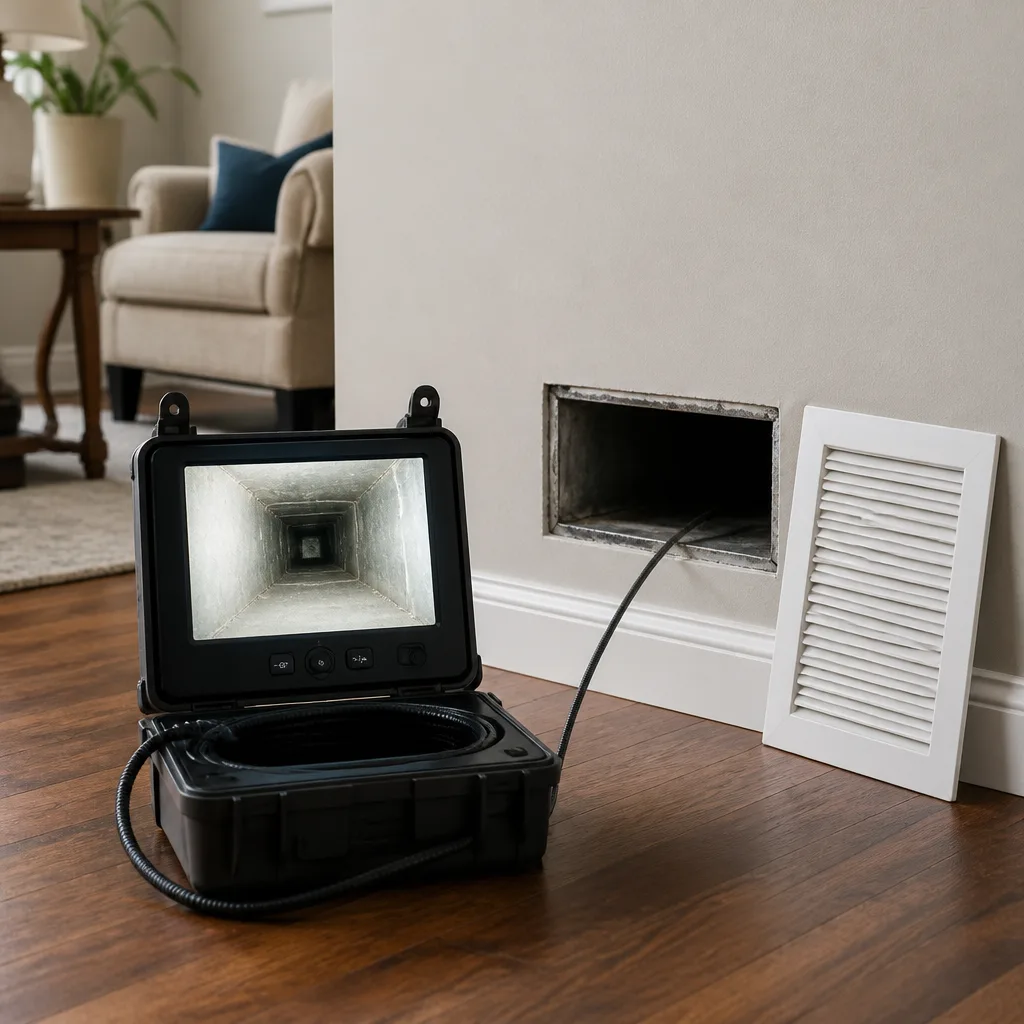 Camera inspection
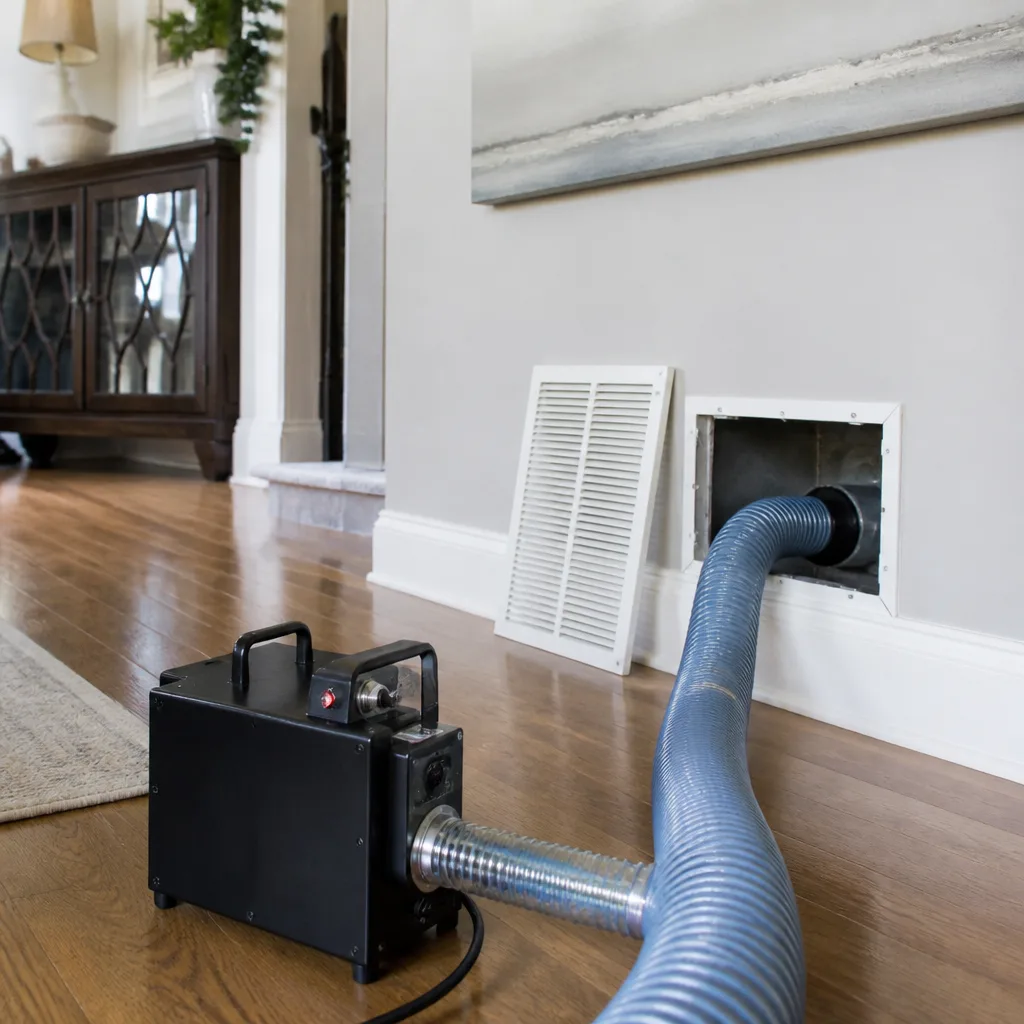 Sanitizing & deodorizing
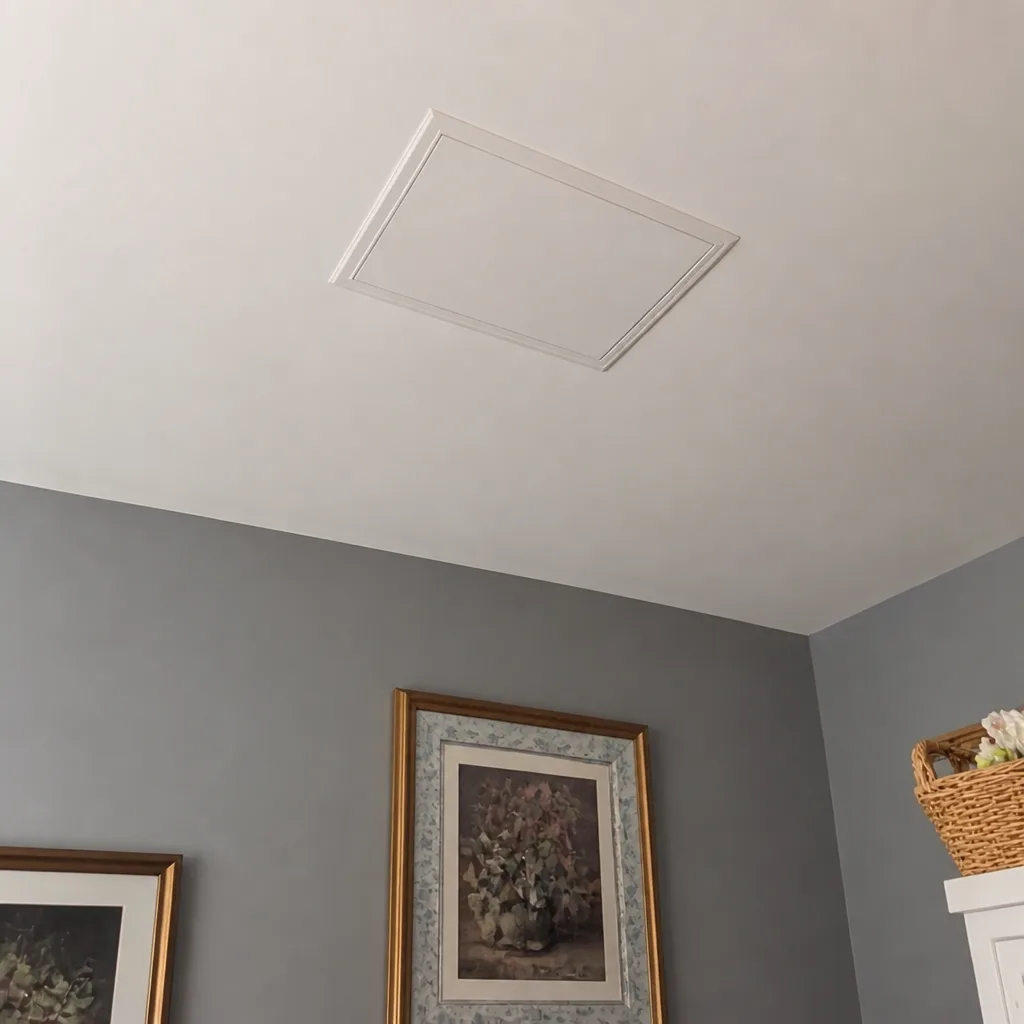
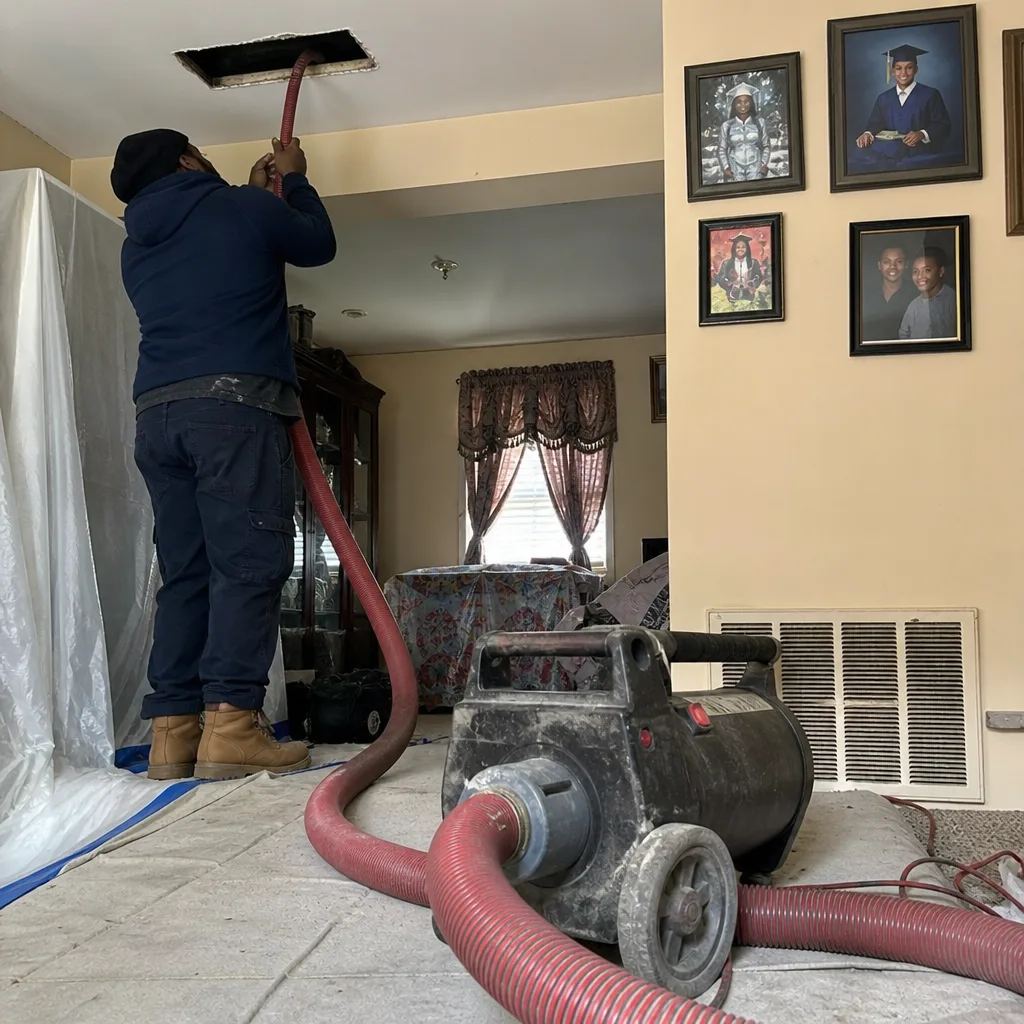
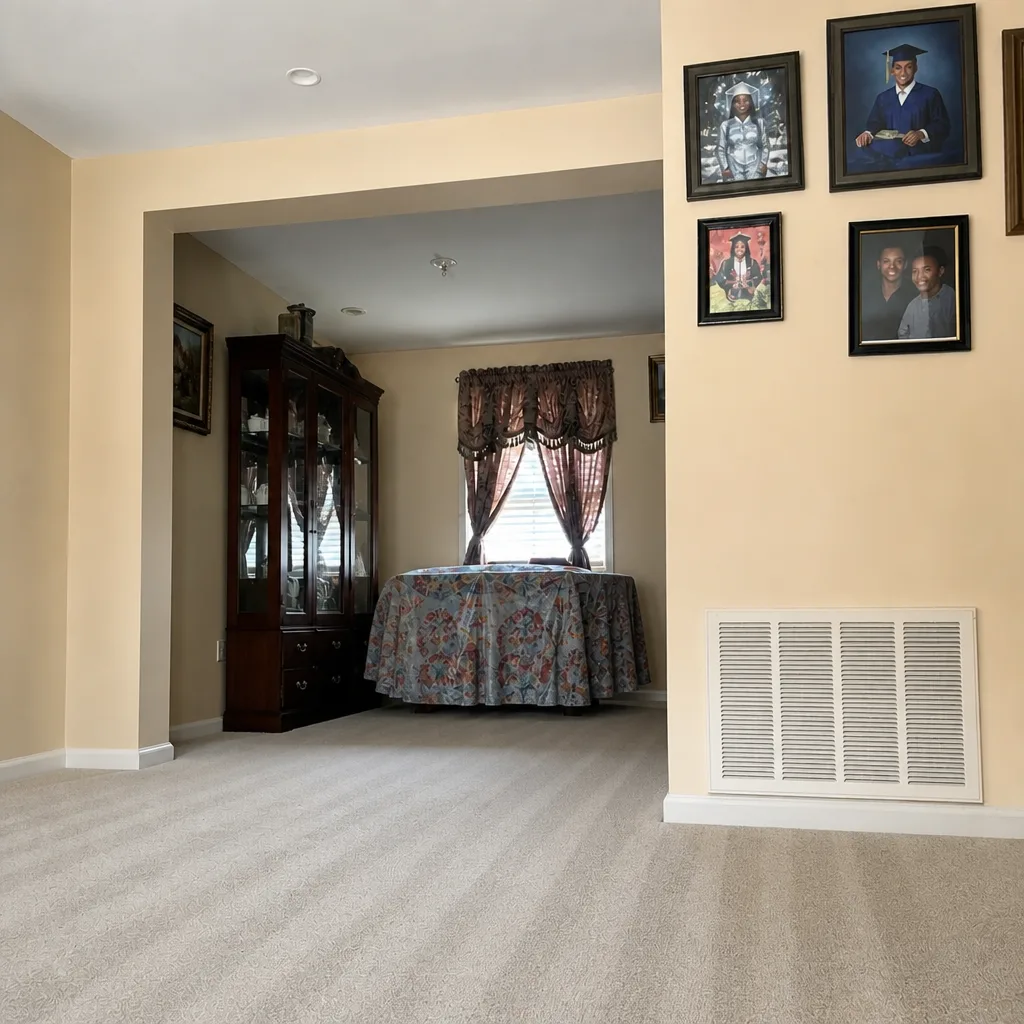
Whole-system duct and dryer vent check with before-and-after photos - you see exactly what came out of your vents
That "$99 whole-house special" is a bait ad - the real number appears once they are in your hallway, or the "clean" is a shop-vac at the register. We photograph the inside of your ducts before and after instead.
Air Duct Cleaning Permits, Codes & Inspections in Fordham, NY: What You Need to Know
The cleaning itself almost never needs a permit. The trouble starts around it. A technician removes a run of flex duct to reach a clogged return, the homeowner asks them to reroute the dryer exhaust while they’re up there, and six months later a co-op inspection turns up a termination point that doesn’t meet NYC Mechanical Code rules. The cleaning passed. The alteration didn’t. In Fordham, where a large share of the housing stock is co-op and rental apartments with shared mechanical chases, that gap between “maintenance” and “modification” is where most permit confusion lives. This guide walks through where the legal line sits in New York City, what the Mechanical Code actually says about dryer exhaust, how Local Law 97 is pulling ductwork into compliance conversations, and what to verify before anyone touches your system.
Quick Answer
Routine air duct cleaning in Fordham does not require a permit under the NYC Building Code, because it’s classified as maintenance, not alteration. A permit is generally required when the work changes the mechanical system itself: new duct runs, sealed-and-modified ductwork that alters the system layout, dryer vent rerouting, or HVAC equipment replacement. NYC Mechanical Code Section 504 governs dryer exhaust, and any contractor doing residential interior work in the city must hold an active NYC Home Improvement Contractor registration through the Department of Consumer and Worker Protection.
Styles & brands we work with
- Whole-home duct cleaning
- Dryer vent cleaning
- Camera inspection
- Sanitizing & deodorizing
Table of Contents
- Where the Permit Line Sits: Maintenance vs. Mechanical Alteration
- NYC Mechanical Code Section 504: What It Says About Dryer Exhaust
- Local Law 97 and Why Ductwork Is Now a Compliance Topic
- How to Verify a Contractor in Fordham Before Work Starts
- Co-op and Condo Boards: Work Authorization and Shared Infrastructure
- What an Inspection Actually Looks Like
- Duct Sealing: The Work Most Likely to Trigger a Permit Question
- Documentation to Keep After the Job
Where the Permit Line Sits: Maintenance vs. Mechanical Alteration
The NYC Building Code draws a clear distinction between maintenance and alteration, and that distinction is the whole ballgame for duct work. Cleaning is maintenance. Changing the system’s configuration is an alteration. Most homeowners never think about the difference until a contractor hands them a scope of work that quietly crosses it.
Here’s how the line usually gets drawn in practice. Removing accumulated debris from supply and return ducts, cleaning the air handler, sanitizing the interior surfaces, and replacing filters are all maintenance activities. No permit, no filing, no inspection. This is what a standard air duct cleaning visit covers, and it’s the bulk of what gets done in Fordham apartments and houses.
The picture changes when the scope involves:
- Adding or removing duct runs. New supply or return branches change the system design and generally require a filing.
- Rerouting ductwork. Moving a run to accommodate a renovation, a new appliance, or a layout change is an alteration.
- Relocating or replacing HVAC equipment. A new air handler or condenser is a mechanical alteration.
- Rerouting a dryer exhaust. This one catches people most often, because it feels like a small job but falls squarely under Mechanical Code rules.
- Sealing that changes system configuration. Simple mastic sealing of accessible joints is maintenance. Rebuilding a trunk line or significantly reconfiguring the distribution is not.
In our experience working across Fordham, the confusion usually surfaces mid-job. A technician inspecting a return discovers a collapsed section of flex duct behind a soffit. Cleaning it is maintenance. Replacing that section and reconnecting it is a repair, and depending on scope it may need a filing with the NYC Department of Buildings. That’s why we flag the difference before the work starts rather than after, and why we ask homeowners whether their building has any documentation requirements before we open a wall or a ceiling.
One practical rule: if the scope of work can be described as “clean,” you’re almost certainly in maintenance territory. If it can only be described as “change,” “add,” “move,” or “replace,” ask about permits before signing anything.
NYC Mechanical Code Section 504: What It Says About Dryer Exhaust
NYC Mechanical Code Section 504 sets the rules for clothes dryer exhaust, and it’s the section most often violated by well-meaning renovations in older Fordham buildings. The rules cover duct length, materials, termination points, and what you’re not allowed to install. If you’re having dryer vent cleaning done and the technician finds a problem, this is the code that governs the fix.
The core requirements, in plain terms:
- Maximum developed length. The code limits the total developed length of a dryer exhaust duct, and the limit drops when you add elbows. Every bend reduces the allowable run. Long, winding exhaust paths through the middle of an old building are a common finding in Fordham.
- Termination outside the building. Dryer exhaust must terminate outdoors, at a location that meets the code’s clearance rules, with a proper damper. Terminating into a basement, a light well, a garage, or an attic is not permitted and is a genuine safety concern, not a technicality.
- Smooth metal duct required. The code restricts or prohibits flexible foil and vinyl duct for dryer exhaust. These materials are still found in older Fordham installations, especially where a previous renovation took the easy route. They trap lint, sag, and create fire risk.
- No screws protruding into the duct. Fasteners that penetrate the duct interior catch lint. This one gets missed constantly because it seems harmless.
- Support and length routing. Ducts must be supported properly and cannot run in a way that allows lint to accumulate at low points.
That vinyl flex duct you can see behind the dryer in some Fordham apartments? It’s exactly the kind of installation Section 504 was written to prevent. It’s also a real fire risk, which is why we treat dryer vent work as a safety service rather than a chore. When a technician finds prohibited material or an illegal termination point, the honest answer is that it needs to be corrected – and correcting it is a mechanical alteration, not a cleaning.
If you’re told a reroute is “no big deal,” ask whether the new run meets Section 504’s developed-length limit and whether the termination point is being verified. A reroute that ignores the code can pass a visual inspection by the person who did it and fail one by the building department.
Local Law 97 and Why Ductwork Is Now a Compliance Topic
Local Law 97 is New York City’s building emissions law, and it applies to larger buildings – not single-family homes. But if you own or manage a covered building in Fordham, or you sit on a co-op board, the law’s ripple effects reach into your mechanical systems in ways that weren’t obvious when it passed.
The connection isn’t that clean ducts reduce emissions directly. It’s that documented, verified mechanical systems are becoming part of how covered buildings demonstrate compliance. A building with leaky, disconnected, or undocumented ductwork has a harder time showing that its HVAC systems are operating as designed. Sealed ductwork improves system efficiency, which means the equipment runs less to deliver the same conditioning – and that shows up in the energy documentation.
In practical terms, for Fordham property managers and boards dealing with Local Law 97:
- Efficiency documentation matters more than it used to. Sealed ductwork supports the case that the system is performing as intended.
- Leaks found during cleaning become record items. When a technician identifies disconnections or breaches, having that documented – and corrected – is now part of the building’s mechanical story.
- HVAC cleaning ties in. A HVAC cleaning that includes the air handler, coils, and blower is often paired with duct work for exactly this reason: it produces a clearer picture of the whole system.
We don’t file Local Law 97 reports and we don’t give legal or compliance advice. What we can do is leave you with real documentation of what the system looked like before and after service, including before-and-after photos of your own ducts and a written record of any leaks found. For a board assembling its compliance file, that’s useful evidence. For a single-family homeowner in Fordham, it’s peace of mind.
How to Verify a Contractor in Fordham Before Work Starts
Any contractor performing residential interior work in New York City is required to hold an active Home Improvement Contractor registration through the NYC Department of Consumer and Worker Protection. That registration is verifiable through the DCA license lookup, and it takes less than five minutes. It’s the single most useful check you can run before anyone touches your ductwork.
Here’s the sequence we recommend:
- Get the business name exactly as it appears on the contract. Not the name on the flyer, not the name on the truck. The legal name. Variations are a red flag.
- Search the NYC DCA license lookup. Confirm the registration is active, not expired or suspended, and that the business name matches.
- Ask for a certificate of insurance. The local contractor who performs the work should carry liability insurance as their state requires. Ask for the certificate, and note the policy dates.
- Confirm the scope in writing. The written estimate should say what’s being cleaned, what’s being repaired, and whether any part of the work is an alteration that may require a filing.
- Ask who performs the work. If a company subcontracts, you want to know before the crew shows up, not when a stranger with a shop vac knocks.
In our experience, the discount duct cleaning operations that appear and disappear in Fordham are usually the ones with no verifiable registration and no written scope. We connect homeowners with vetted local professionals, and we tell people plainly: check the registration yourself. A legitimate contractor will not be annoyed by the question. They’ll expect it.
One more note on the equipment question. “Professional-grade” gets thrown around loosely. The equipment matters because it determines whether the job is done properly: purpose-built systems like Rotobrush and Nikro are designed for duct interiors, and Abatement Technologies equipment is engineered specifically for indoor air quality remediation. A repurposed shop vacuum can’t create the negative pressure needed to actually remove debris from a duct run. If you’re comparing quotes, ask what equipment will be on site.
Co-op and Condo Boards: Work Authorization and Shared Infrastructure
In a Fordham co-op or condo, the board has authority over shared HVAC infrastructure, and many buildings require a work authorization before any contractor opens a ceiling, accesses a mechanical chase, or touches equipment serving more than one unit. This is normal, and it’s not obstruction – it’s how buildings protect themselves. But it can stop a job cold if the paperwork isn’t in order.
What a board may ask for before granting authorization:
- Certificate of insurance naming the building as additional insured. This is the most common requirement and the most common reason a job gets pushed.
- Proof of DCA registration. A board doing its job will ask for this.
- A written scope of work. What’s being accessed, how long it will take, whether any alteration is proposed.
- Building access and scheduling agreement. How ceilings get opened and closed, who patches drywall, and what happens to furniture.
- Acknowledgment of building rules. Elevator use, protection of common areas, and work-hour limits the board sets.
Ask your company for these documents upfront rather than at the loading dock. If the company you hire can’t produce a certificate of insurance naming the building, the job isn’t happening that day no matter how good the crew is. We’ve seen the paperwork step stretch a two-day job into two weeks, and it’s always because the documentation request happened late.
One thing worth knowing: if the board requires a licensed mechanical contractor for any alteration component, the cleaning can usually proceed as maintenance under HIC registration, but the alteration piece may need a separate filing. Get that sorted before anyone starts. Call (833) 901-6929. We answer 24/7. Fast dispatch from 7am to 7pm, Sunday through Friday.
What an Inspection Actually Looks Like
An inspection tied to a permit is a Department of Buildings review of the alteration – not a test of how clean your ducts are. That’s the distinction people miss. If you filed a permit for a dryer vent reroute or a duct modification, the inspection verifies the work matches the filed plans and meets code. Nobody is checking whether your air handler was scrubbed.
For the cleaning itself, quality verification is a separate matter, and it’s something you control as a homeowner. Here’s what a legitimate post-cleaning verification includes:
- Before-and-after photos of your own ducts. Not stock images. Photographs of your system, taken during the work.
- Access documentation. Where they opened the system and where they sealed it back up.
- A written summary of findings. Disconnections, breaches, restricted sections, and any areas they couldn’t reach.
- System component list. Which parts of the system were cleaned – supply duct, return duct, individual vents, air handler, and any other components. A thorough cleaning addresses the whole system, not just the visible vents.
If a contractor can’t tell you what they cleaned and show you photographs, you have no way to know whether the work was actually done. That’s the honesty test for this trade, and it matters more than anything a coupon says.
Duct Sealing: The Work Most Likely to Trigger a Permit Question
Duct sealing sits right on the maintenance-and-alteration line, and where you land depends on scope. Sealing accessible joints and connections to stop leakage is maintenance, and it’s genuinely valuable work – most of the air you pay to condition escapes through leaks before it reaches the register. Rebuilding or reconfiguring the distribution system is alteration, and that can require a filing.
The kind of sealing that stays on the maintenance side:
- Sealing disconnected joints at the plenum, trunk lines, and branch boots
- Mastic or tape on joints accessible from the mechanical room or crawl space
- Restoring a seal that degraded at a flexible duct connection
- Sealing areas around register boots to stop air escaping into the wall cavity
The kind that can tip into alteration territory:
- Removing and replacing large sections of ductwork to correct a design flaw
- Reconfiguring a trunk line to change how air is distributed
- Adding or removing supply or return branches
- Relocating a duct run to accommodate a renovation
What most companies do is clean and walk away, leaving leaks in place because fixing them is outside the scope of the invoice. We handle repair and sealing as part of the same visit – we find the leak, we seal the leak. In a Fordham building with original 1950s or 1960s-era ductwork, the difference between a cleaned system and a cleaned-and-sealed system is significant to your energy bill and to how the apartment actually feels.
If the sealing scope crosses into alteration, we’ll tell you before the work starts, and we’ll say plainly that a filing may be required. That’s a conversation to have with your building department, not something a crew should quietly decide.
Documentation to Keep After the Job
The paperwork matters as much as the cleaning, and nobody thinks about it until they need it – selling the apartment, answering a board request, or filing a compliance document for a covered building. Here’s what to keep on file after any duct, dryer vent, or HVAC service in Fordham.
- The written estimate and final invoice. Scope of work, parts, and what was actually done. These should match.
- Before-and-after photographs of your system. The record of condition at the time of service.
- A findings summary. Any leaks, breaches, disconnected runs, or code issues identified during the inspection.
- The contractor’s DCA registration information and certificate of insurance. Confirm it’s on file and current.
- For co-op and condo residents, the work authorization. A copy of what the board approved.
- For alterations, the permit number and inspection outcome. Keep it with your building records.
This documentation supports you in three situations: resale, when a buyer’s inspector asks about the system; board review, when the co-op wants proof the work was authorized; and Local Law 97 compliance, when a covered building needs mechanical records. Honeywell and Aprilaire components – thermostats, humidifiers, filtration – are compatible with most residential systems, and if any were installed during service, the model numbers belong in your file too.
Clean ducts and clean paperwork are the same job. We treat them that way, and we’ll hand you a complete record at the end.
Common Mistakes to Avoid
- Treating a cleaning quote as an alteration quote. A $299 cleaning that quietly includes rerouting a dryer vent is not a cleaning. Ask what’s in the scope before you sign, or you may find the permit question lands on you after the fact.
- Accepting a verbal “no permit needed” from the crew. Crews clean. They don’t file permits. If the work crosses into alteration, ask the company office to confirm in writing, and confirm with the NYC Department of Buildings if you’re unsure.
- Hiring without checking DCA registration. It’s a five-minute look. Skipping it means you may be working with a company that isn’t required to stand behind anything. This matters more in Fordham, where older buildings and turnover create ideal ground for transient operators.
- Ignoring the dryer exhaust until it fails inspection. Vinyl flex duct and illegal termination points are common in older Fordham apartments. Correcting them is real work, and if you’re selling or refinancing, an inspector will flag them.
- Skipping the board authorization. In a co-op or condo, working on shared mechanical systems without authorization can result in the board requiring the work to be redone or halted. Get the paperwork first.
- Accepting “we cleaned it” with no evidence. No photos, no system component list, no findings summary. If you can’t verify the work, you can’t tell whether you were sold a service or a sales pitch.
- Assuming the seal will be fixed by the next contractor. Cleaning without sealing leaves leaks in place. The next technician will find them, and you’ll pay again. Handle it in one visit.
See the difference
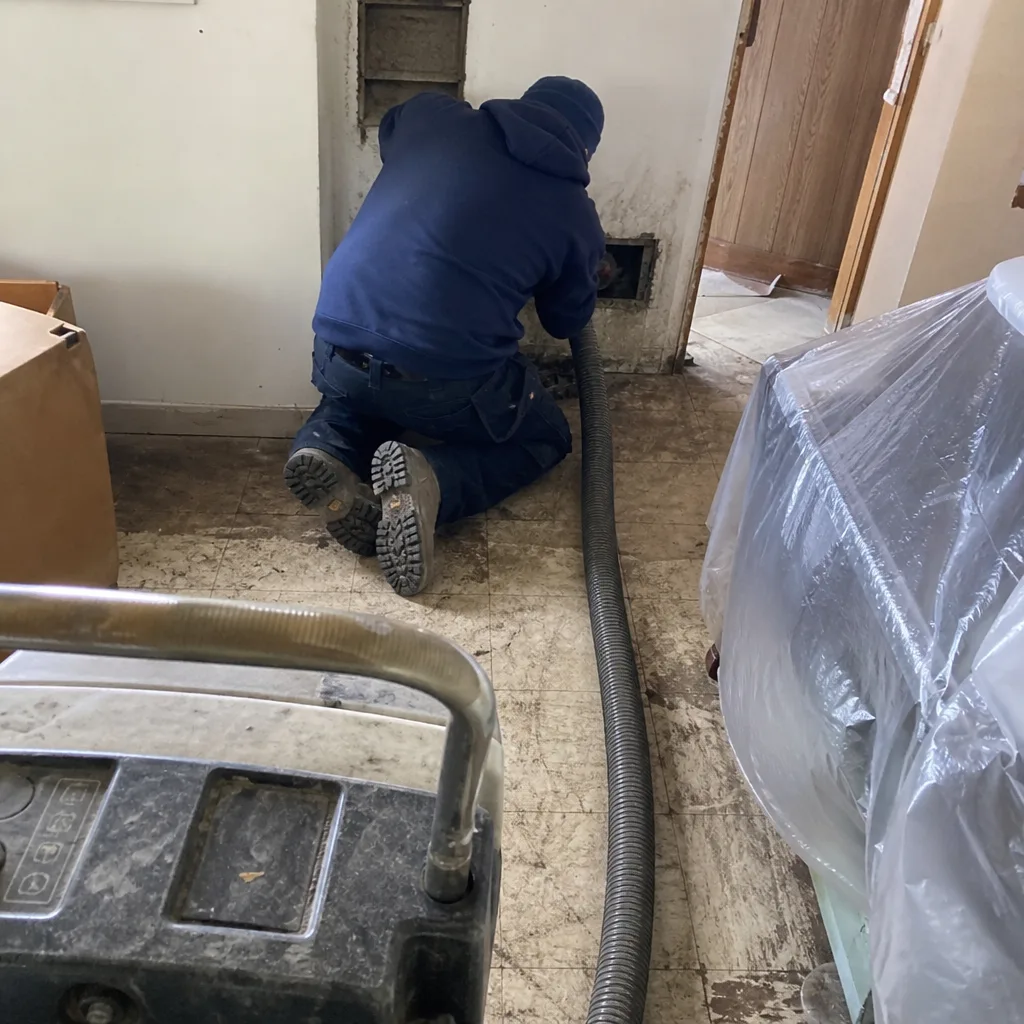 Before
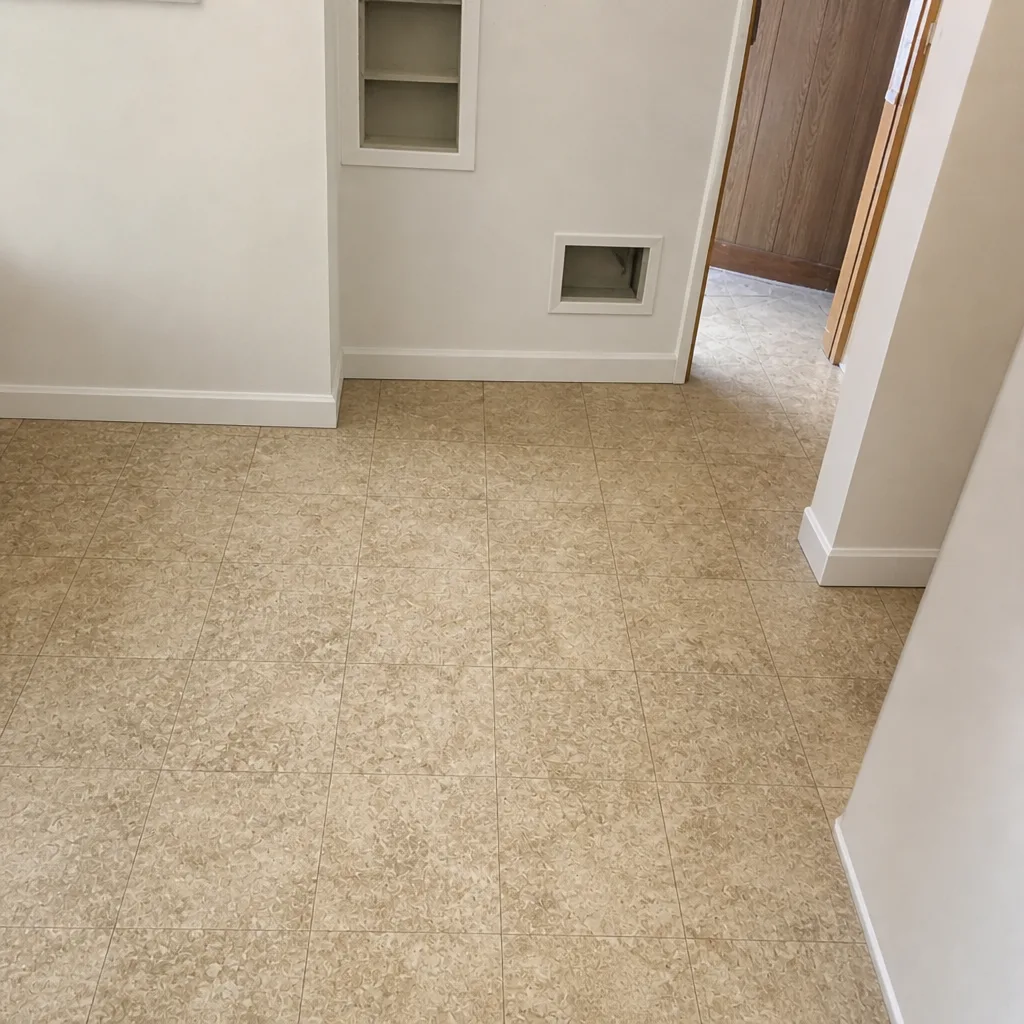 After
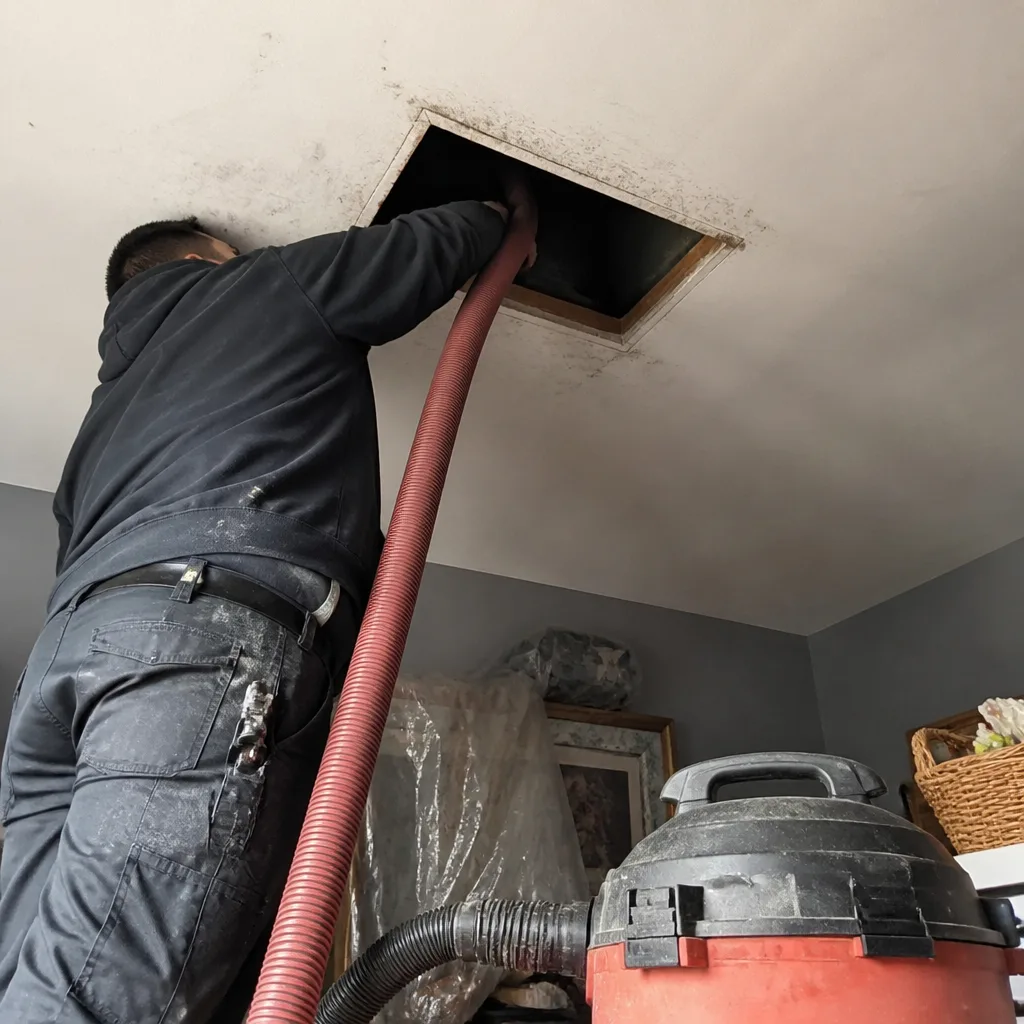 Before
 After
 Before
 After
When to Call a Professional
Not every duct situation needs a technician. But several do, and a few need one promptly. Call if you notice musty or “gym bag” odors when the HVAC runs, which usually signals microbial growth in the system, not just dust. Call if you see visible debris blowing out of supply registers or dust collecting on horizontal surfaces faster than usual after a renovation. Call if your dryer takes more than one cycle to dry a normal load, or if the outside vent flap doesn’t open when the dryer runs – both point to exhausted restriction that needs professional attention. Call immediately if you smell something burning near the dryer, and call before you reroute any exhaust or modify any ductwork yourself, because that’s where permits and code compliance come in. Air Duct Cleaning Fordham offers free estimates in Fordham – call (833) 901-6929. We answer 24/7. Fast dispatch from 7am to 7pm, Sunday through Friday.
Frequently Asked Questions
No. Routine air duct cleaning is classified as maintenance under the NYC Building Code and does not require a permit. A permit generally becomes relevant only when the work changes the mechanical system, such as adding or relocating duct runs, replacing HVAC equipment, or rerouting a dryer vent. If your scope of work only involves cleaning and sanitizing, you don’t need to file anything.
NYC Mechanical Code Section 504 governs dryer exhaust, and it sets limits on the total developed length of the duct, requires termination outdoors with a proper damper, restricts or prohibits flexible foil and vinyl materials, and bans fasteners that protrude into the duct interior. These rules exist because dryer exhaust carries lint, and lint buildup is a genuine fire risk. If a technician finds prohibited material or an illegal termination, the correction is real work, not a cosmetic fix. Call (833) 901-6929 for an exact quote on the scope – estimates are free.
Use the NYC Department of Consumer and Worker Protection license lookup and search the business’s legal name as it appears on the contract. Residential interior work in New York City requires an active Home Improvement Contractor registration. Confirm the name matches exactly, the registration is active, and ask for a certificate of insurance while you’re at it. If a company can’t produce both, walk away.
Often, yes. Many Fordham co-op and condo buildings require work authorization before any contractor accesses shared mechanical infrastructure, opens ceilings, or works in a mechanical chase. The board may ask for a certificate of insurance naming the building as additional insured, proof of DCA registration, and a written scope. Ask your board what it needs before scheduling the job, and ask your contractor for those documents upfront.
No. Local Law 97 regulates building emissions, not duct cleanliness, and it applies to larger covered buildings rather than single-family homes. That said, sealed and well-documented ductwork supports the argument that your HVAC system is performing as designed, which is useful for compliance documentation. If you manage a covered building, treat duct sealing and HVAC cleaning as part of the mechanical system’s record rather than a standalone compliance requirement.
Because the scope is smaller than it looks, or the paperwork isn’t in place. A low teaser price often covers only the visible vents, not the whole system, and per-vent pricing lets the invoice grow once the technician is on site. We don’t quote per vent. We give one flat price per system, agreed before work starts, and we show you before-and-after photos of your own ducts so you can see what was actually done. Call (833) 901-6929 for an exact quote – estimates are free.
The Bottom Line
Cleaning your ducts doesn’t require a permit in Fordham, but the work that often surrounds it does. Keep three things straight: maintenance cleaning is unpermitted, mechanical alteration may require a filing, and dryer exhaust is governed by NYC Mechanical Code Section 504 regardless of whether anyone files anything. Verify your contractor’s DCA registration before work begins, get the co-op board’s authorization if you’re in a shared building, and keep your documentation. If the scope crosses into sealing, rerouting, or duct replacement, ask about permits before you sign. Our technicians have up to 8 years of experience, we handle the whole air pathway in one visit, and we’ll tell you plainly when a job needs a filing. Call (833) 901-6929 for a free estimate. We answer 24/7. Fast dispatch from 7am to 7pm, Sunday through Friday.
Written by the team at Air Duct Cleaning Fordham.