
Last updated November 22, 2026
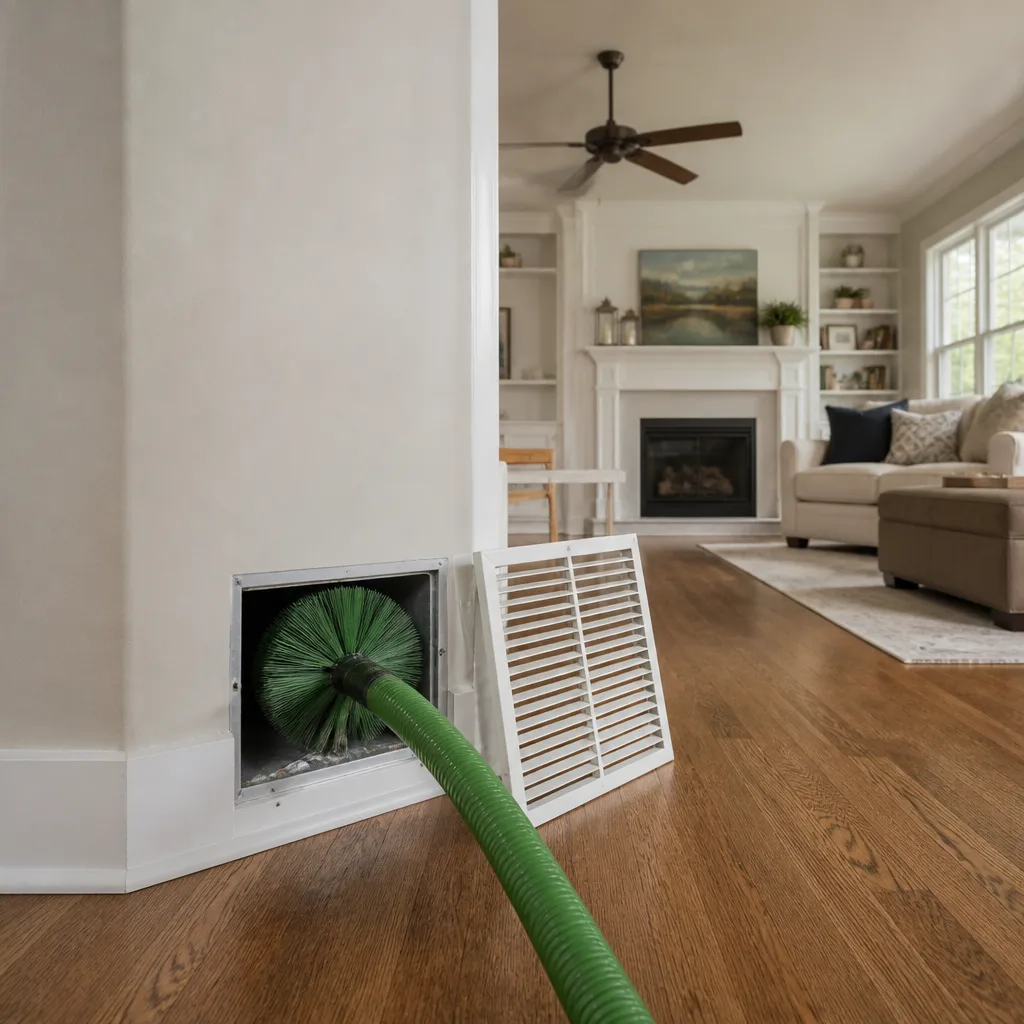 Whole-home duct cleaning
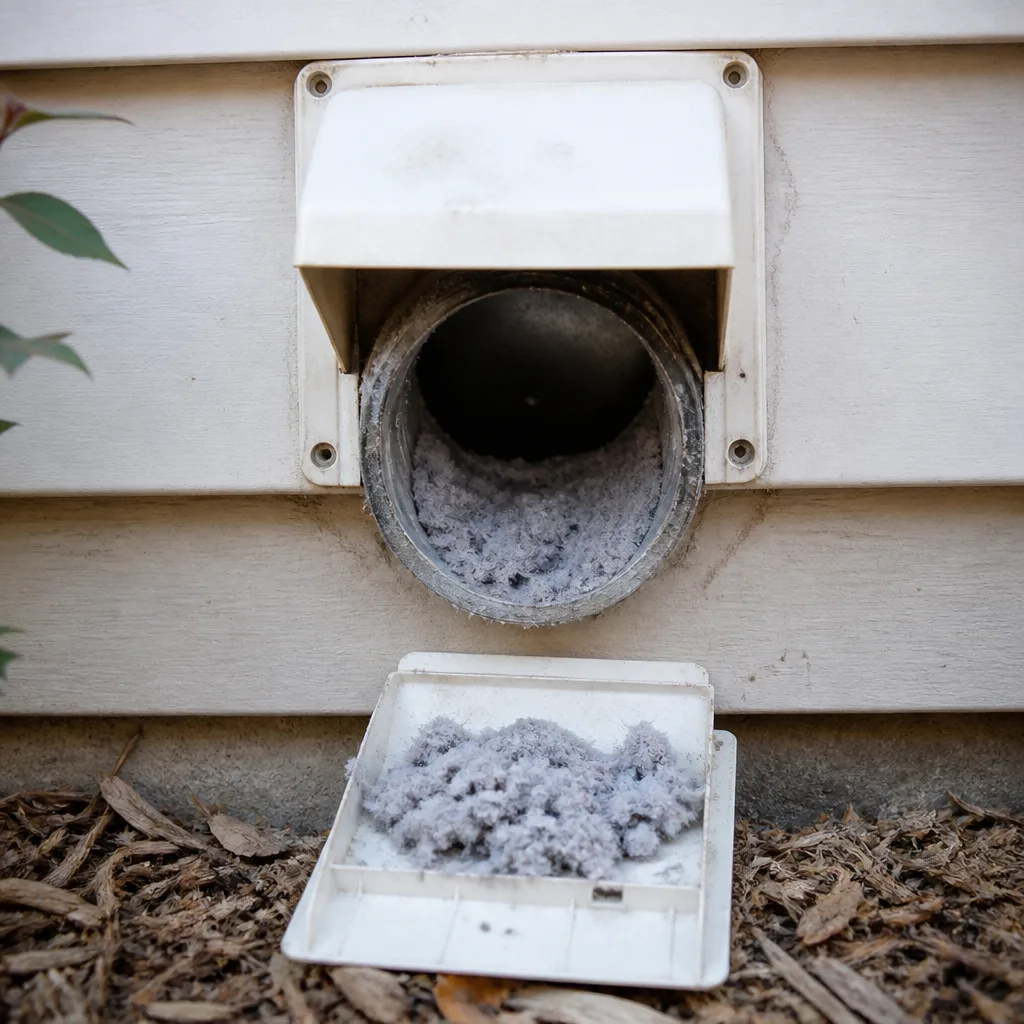 Dryer vent cleaning
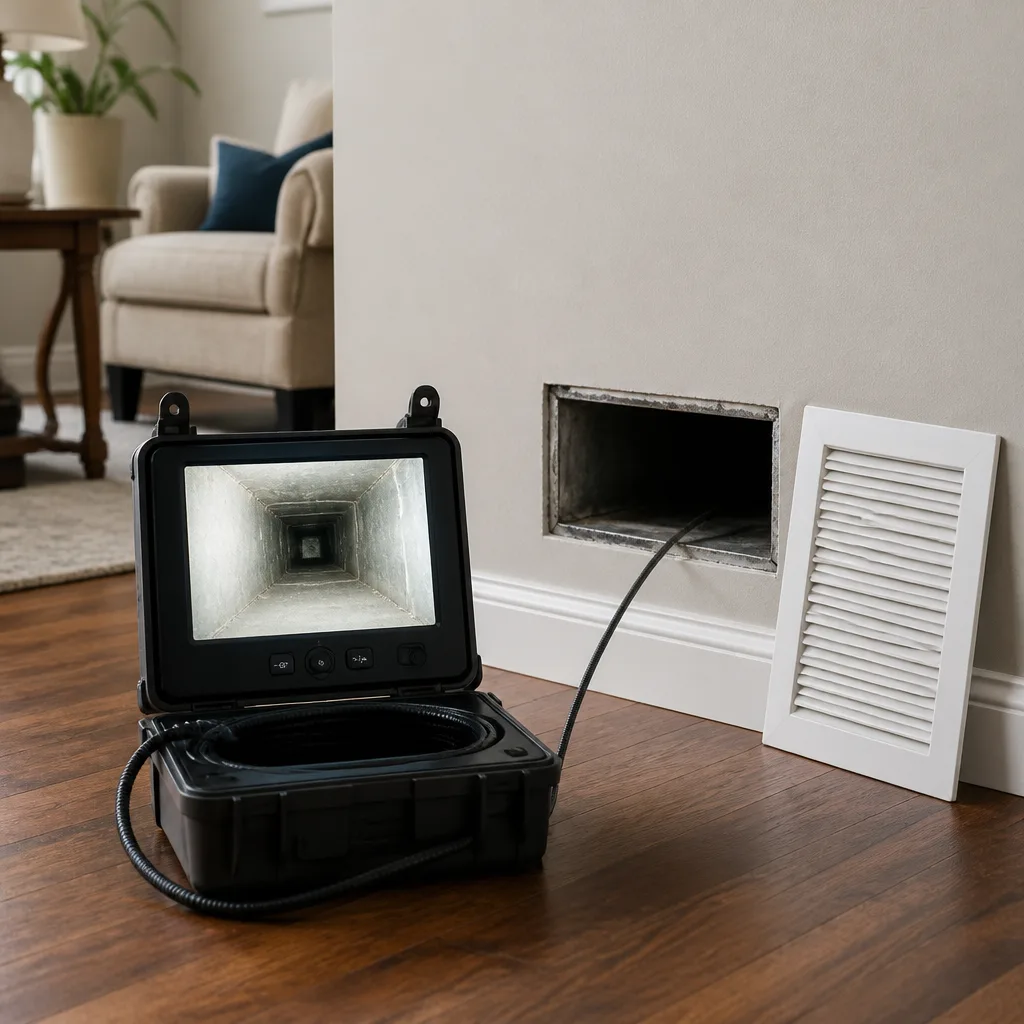 Camera inspection
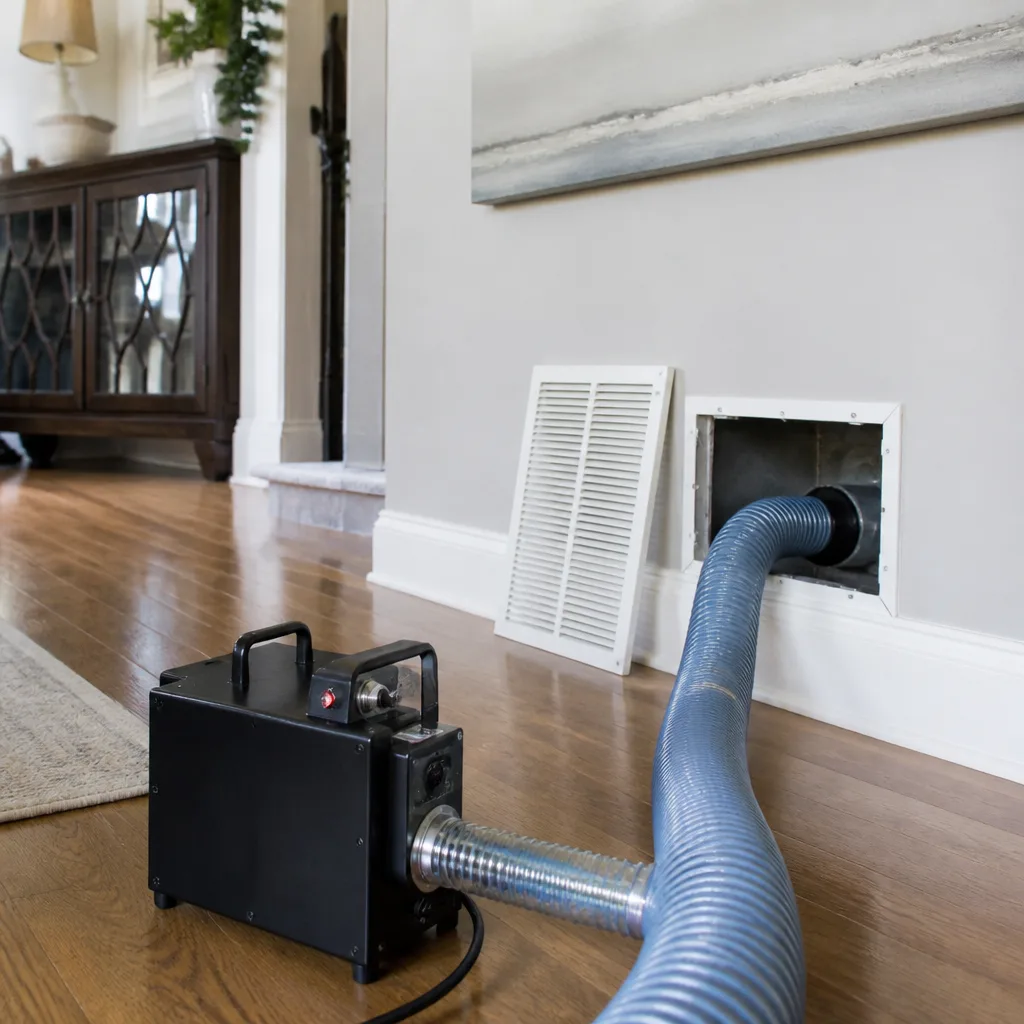 Sanitizing & deodorizing
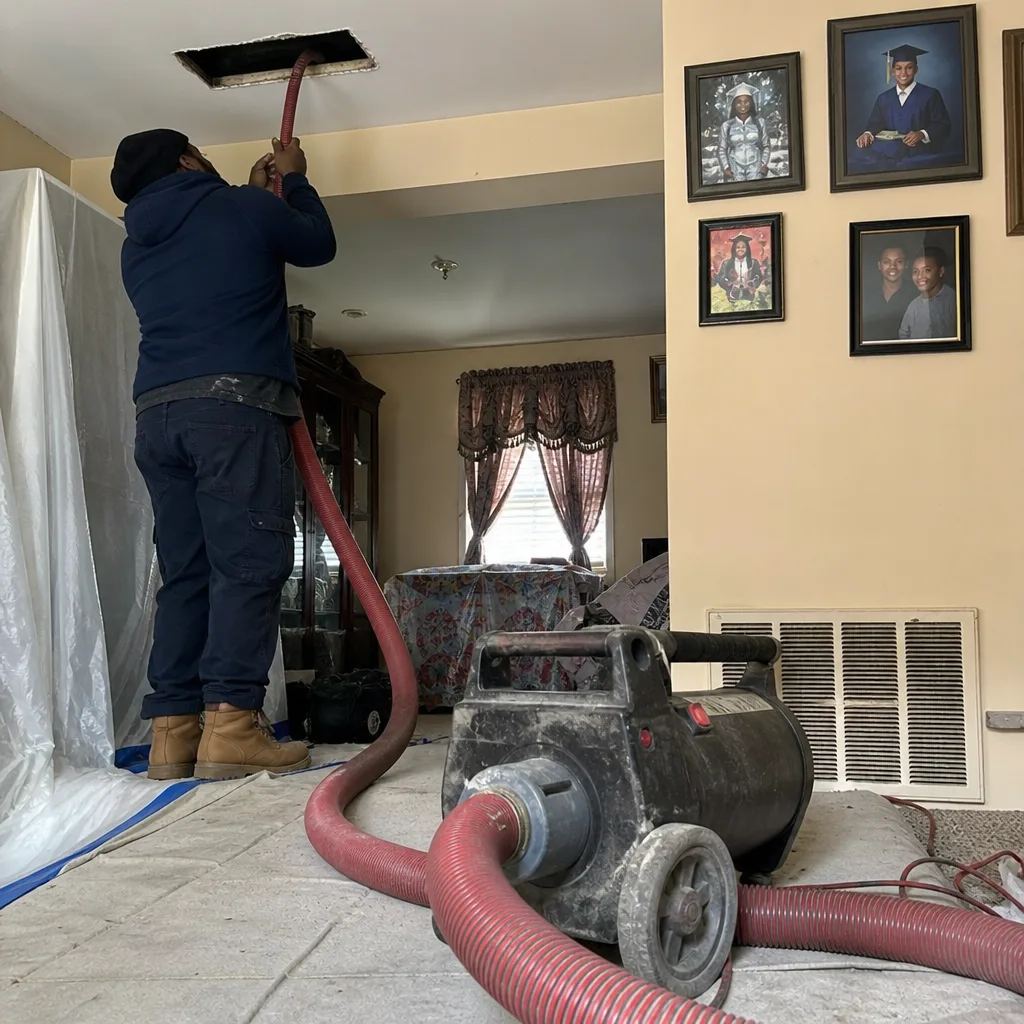
Whole-system duct and dryer vent check with before-and-after photos - you see exactly what came out of your vents
That "$99 whole-house special" is a bait ad - the real number appears once they are in your hallway, or the "clean" is a shop-vac at the register. We photograph the inside of your ducts before and after instead.
Air Duct Cleaning Warning Signs: A Fordham Homeowner’s Reference Guide
A musty smell that only appears in the first five minutes after the furnace kicks on isn’t a “furnace smell.” It’s particulate and microbial matter burning off duct surfaces as the heat comes up, and it doesn’t fade on its own. That’s the pattern with almost every duct problem worth knowing about: it arrives quietly, gets normalized over a few seasons, and only becomes obvious once the system is already compromised. This guide walks through the early-stage signals you can actually catch, what each one points to mechanically, and which ones mean cleaning versus something bigger. Fordham homes have their own triggers, and we’ll get into those.
Quick Answer
The main early warning signs that a Fordham home’s duct system needs attention are a short musty burn-off odor when the HVAC starts, visible dust on registers and return grilles hours after cleaning them, and uneven airflow or temperatures between rooms. Persistent odor that survives a cleaning, visible moisture inside ducts, or rumbling and rattling after service point to a duct or equipment problem that goes beyond cleaning.
Styles & brands we work with
- Whole-home duct cleaning
- Dryer vent cleaning
- Camera inspection
- Sanitizing & deodorizing
Table of Contents
- Signs That Mean “Cleaning” vs. Signs That Mean “Problem”
- Fordham-Specific Triggers That Speed Up the Timeline
- What Uneven Room Temperatures Actually Mean
- Health Signals: Duct Air vs. Outdoor Air
- Dryer Vent Warning Signs Homeowners Miss
- A Register-by-Register Walkthrough
- When Cleaning Is Enough and When It Isn’t
Signs That Mean “Cleaning” vs. Signs That Mean “Problem”
Most of the signage you’ll find online lumps every symptom together and points at a cleaning. That’s not useful, and in our experience it’s the fastest way to spend money on the wrong job. The first split to make is between signals that indicate accumulated debris in the air pathway, and signals that indicate the duct system or the HVAC equipment itself needs repair.
Signs that typically mean cleaning is overdue:
- Gray-brown dust lining the return grilles even after you vacuum the grille face
- Registers that look dusty two or three weeks after a wipe-down
- A puff of debris visible in sunlight when the fan starts (hold a flashlight at an angle to catch it)
- A soft musty note in the first minutes of heat, fading within 10 or 15 minutes
- Visible lint on the blower-side of the furnace cabinet when you open the filter door
Signs that mean the problem is bigger than cleaning:
- Odor that stays after the ducts have been cleaned, or that gets worse with each heat cycle
- Visible moisture, rust on register frames, or a wet or damp feel on the return plenum
- Rattling or popping from inside the walls whenever the blower changes speed
- Dust blowing from a register that was sealed and cleaned two weeks earlier
- Any section of flex duct you can see crushed or kinked behind a register
That second list is where a clean-only crew runs out of answers. Sealing a leaking joint, replacing a crushed run, and re-attaching a disconnected collar are repair work, and if the same crew can’t do it, the cleaning gets wasted within a season. In Fordham’s older multi-family stock, we see crushed flex runs and broken boot connections constantly, and fixing them matters as much as the cleaning itself. Air Duct Cleaning Fordham handles the repair and seal alongside the clean for that reason.
Fordham-Specific Triggers That Speed Up the Timeline
Every city has its own duct-force multipliers. In Fordham, three factors consistently shorten the interval between cleanings compared with what you’d expect in a suburban single-family house.
Active development and renovation dust
The Bronx’s construction corridors are busy, and when demolition or gut renovation happens within a few blocks, airborne gypsum dust and concrete fines load the return system faster than usual. If you can see work activity from your windows for several weeks, treat your registers as a partial filter. The same applies in reverse: if you’ve recently renovated your own unit, the return duct is holding a season’s worth of drywall dust that a shop vac and a filter change won’t reach.
Rodent and roach activity in older urban housing
Older Fordham buildings have voids, chases, and gaps at the base of risers where pests move along duct runs. Droppings and shed casings are not the kind of debris a register vacuum touches. When a system is cleaned and sanitized after pest activity, the treatment has to address the surfaces, not just sweep the loose material into a bag. This is where air duct cleaning done with a professional-grade agitation system and a HEPA vacuum differs from a surface wipe.
Shared ventilation in multi-family buildings
If your unit shares a plenum or a common chase with neighbors, cross-contamination is real. Cooking odors, cigarette smoke, or a neighbor’s remodeling dust entering your unit when your system runs is a mechanical signal, not a neighbor problem. Before assuming you can seal the problem away, it’s worth understanding where the leak is.
What Uneven Room Temperatures Actually Mean
When one bedroom runs five degrees warmer than the living room, most homeowners start at the thermostat. Nine times out of ten the thermostat is doing exactly what it’s told. Uneven airflow is a delivery problem, and the duct system is the delivery system.
Mechanically, three things cause most of it:
- Leakage at joints and boots. A gap where the duct meets the ceiling boot or where two trunk sections meet dumps conditioned air into the wall cavity. The room loses pressure and the HVAC works harder.
- Blocked or crushed runs. A flex duct that got pinched during a renovation, or a run with a heavy piece of debris lodged at a bend, chokes flow even when the trunk pressure is fine.
- Damper and balance issues. Sometimes the branch dampers at the trunk are simply closed or mis-set, which is a ten-minute adjustment rather than a cleaning issue. Worth checking before you buy anything.
That’s why we look at the ducts first when a room is hot or cold. A quality thermostat can’t deliver air that the duct never carried. During a visit, a technician can check static pressure at the return and at supply, look for leaks along accessible sections, and confirm whether a specific room is starved because of a breach or because of a balancing problem. The fix is often a seal, not a replacement. Honeywell and Aprilaire controls do offer diagnostics worth knowing, but the numbers they report start with the static pressure test at the equipment, and static pressure starts with the ducts.
Health Signals: Duct Air vs. Outdoor Air
If someone in your household has allergies or asthma, the honest question is whether the ducts are the source or whether you’re reacting to the outdoor air that enters every time a door opens. The two problems respond to different fixes, so it’s worth distinguishing them.
A duct-related trigger usually correlates with the HVAC cycle. Symptoms flare when the system runs and settle when it’s off for a stretch. On a mild spring week in Fordham with the heat off, you’d expect relief if the ducts are the issue and continued symptoms if the source is dust or pollens that are already inside the living space.
An outdoor-air trigger correlates with the weather and the season more than with the equipment. Pollen weeks, high-pollution days, and windy street-cleaning days all show up as symptom flare-ups that don’t track to the blower turning on.
Both patterns can be present at once, particularly in dense Fordham housing where windows are open part of the year. A practical test: keep a simple symptom log for two weeks, tracking when the HVAC is running and what the daily air quality looks like. When the flare-ups track the system rather than the outside air, the ducts have earned a closer look.
Resolving a duct-related issue means addressing particulate at the source, which is why HVAC cleaning and air quality work go together. Rotobrush and Nikro agitation heads reach duct-wall debris that a vacuum alone just stirs. Addressing the microbial layer on top of it needs a sanitizing step, and Abatement Technologies equipment is built specifically for that indoor air remediation work. Rubbing alcohol on a register won’t do it.
Dryer Vent Warning Signs Homeowners Miss
Dryer vent problems are the ones people put off longest because the dryer still “works.” That’s the wrong test. A dryer that finishes a load in 55 minutes instead of 40 is a dryer struggling to move exhaust, and every extra minute is lint building up closer to the heat source.
The warning signs, in order of how early they usually appear:
- Longer drying times. Anything more than a 10-minute drift from your normal is worth attention.
- Heat buildup in the laundry room. If the room feels noticeably warmer than the rest of the apartment when the dryer runs, exhaust isn’t leaving.
- The exterior vent flap barely lifts. Check from outside while the dryer runs. A flap that lifts weakly or not at all means the exhaust path is restricted.
- Lint visible on the exterior vent screen or piled behind the dryer. Lint accumulating outside the lint screen means the screen is doing less work than it used to.
- A musty smell that transfers to dry laundry. Odor transfer is a sign the exhaust is backing into the room or the vent run.
In older Fordham buildings, vent runs are often long with multiple elbows to reach an exterior wall, and that geometry traps lint faster than a short straight run. Treat dryer vent cleaning as a safety obligation rather than an occasional luxury. Clothing dryers cause fires every year in the US, and long runs are the highest-risk configuration.
A Register-by-Register Walkthrough
The most useful inspection you can do yourself takes about 20 minutes and requires a flashlight, a screwdriver, and a notepad. This walkthrough won’t tell you how to clean the ducts – it tells you what to document for a professional.
- Write down how many supply registers and returns you have. Note any room that has no supply.
- Unscrew and remove one register face at a time. Shine the flashlight down the boot and along the visible run.
- Look for dust thickness and color. A light gray film is normal dust. A felted, dark, or fibrous buildup is accumulations that need professional removal.
- Look for moisture, rust, or dark speckling on the boot interior. This is a signal to stop DIY work and call in a professional, because moisture in the duct system can hide microbial growth that should be evaluated, not cleaned blindly.
- Look for disconnected joints, crushed flex, and debris that isn’t dust. Shed casing, paper, or pest material is a professional issue.
- Take photos. You’ll want these for comparison after the cleaning, and before-and-after shots of your own ducts are the most useful quality check you have.
Don’t open the return plenum at the furnace unless you know how to shut the system off. The equipment cabinet and the electrical connections inside it are risk zones, and handling them without training does cause injuries. That’s the reason to hand the inspection to a technician if you’re not comfortable with the equipment.
When Cleaning Is Enough and When It Isn’t
Not every dirty system needs a full service, and we tell customers this directly. But there is a point where cleaning alone leaves you with the same problem in 12 months.
- Cleaning is typically enough when the debris is airborne and settled, there are no visible leaks, and static pressure at the equipment is in range. That’s a straightforward full-system clean, and it usually takes a few hours.
- Cleaning plus sealing is the right call when you’ve got leaks at boots, joints, or trunk connections. The air escaping is where half the dust is coming from, so sealing has to be part of the job. This is what “we find the leak, we seal the leak” is about.
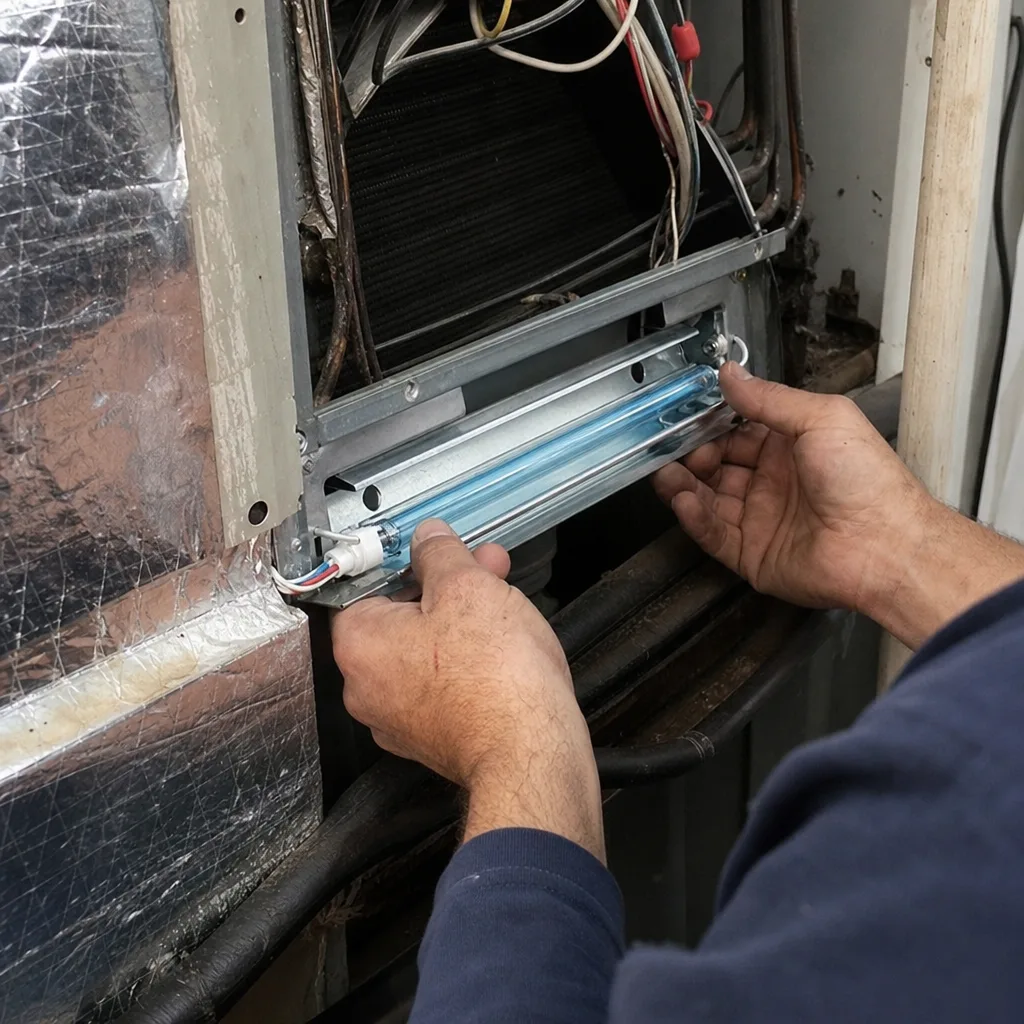
- Cleaning plus HVAC cleaning plus sanitizing applies when odor survives a clean or when pest activity is confirmed. The blower, evaporator coil, and drain pan need to be addressed at the same time as the ducts, because contamination that comes back through the air handler isn’t resolved by cleaning the ducts alone.
- A repair, not a cleaning, when you have crushed flex runs, disconnected collars, or a plenum breach. Cleaning a system that’s structurally breached just pushes air into the wall cavity.
Because we can do all four of those under one visit, the decision isn’t a scheduling exercise. It’s a technician decision based on what’s actually in the system.
Common Mistakes to Avoid
- Assuming a new filter solves the odor. A filter is a delivery gate, not a cleaning. If the ducts are coated, fresh filters pull in air that passes through the same dirty pathway, and the musty smell returns in a week.
- Judging duct cleaning by the first week of register dust. Registers can dust up quickly right after a cleaning as traces of the agitation work settle. Judge at the 30-day mark instead, and compare to photos you took before.
- Paying per vent. Per-vent pricing punishes bigger apartments and gives a crew no incentive to actually clean the trunk and plenum. We prefer flat pricing per system, quoted before the work starts, because the system either gets fully cleaned or it doesn’t.
- Skipping the exterior vent check on the dryer. Homeowners often look at the lint screen and call it done. The exterior flap tells the real story.
- Ignoring a run that’s out of sight. A run behind a closet wall or above a dropped ceiling in a Fordham pre-war building is exactly the run most likely to be crushed or disconnected, and it’s also the one that never gets inspected.
- Putting off a sealing repair and buying a bigger AC. A high-efficiency unit can’t fix duct leakage. In a leaky Fordham system, a bigger unit just leaks more efficiently.
- Trusting a coupon price. A very low entry price usually converts into a much larger invoice once the crew is in the unit. Ask for a written estimate before work begins and a full-system expectation, not a teaser.
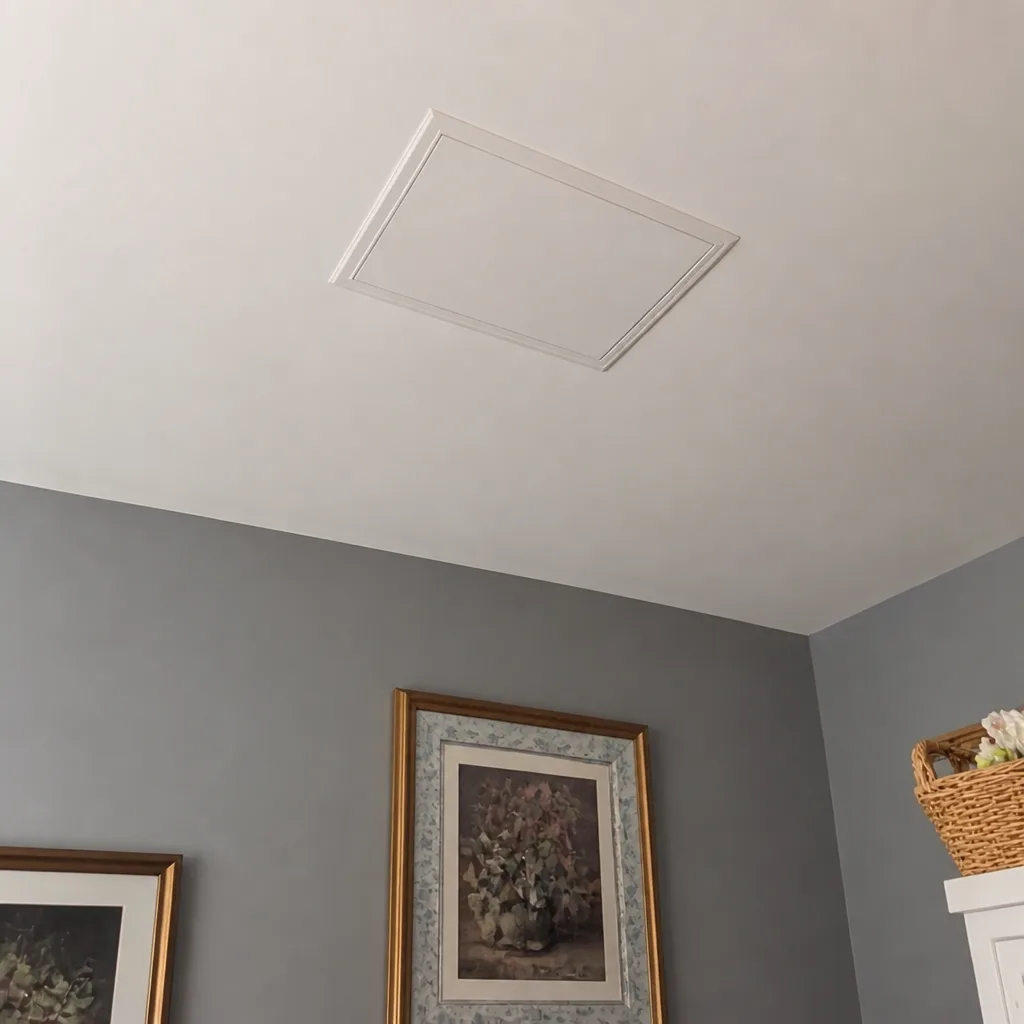
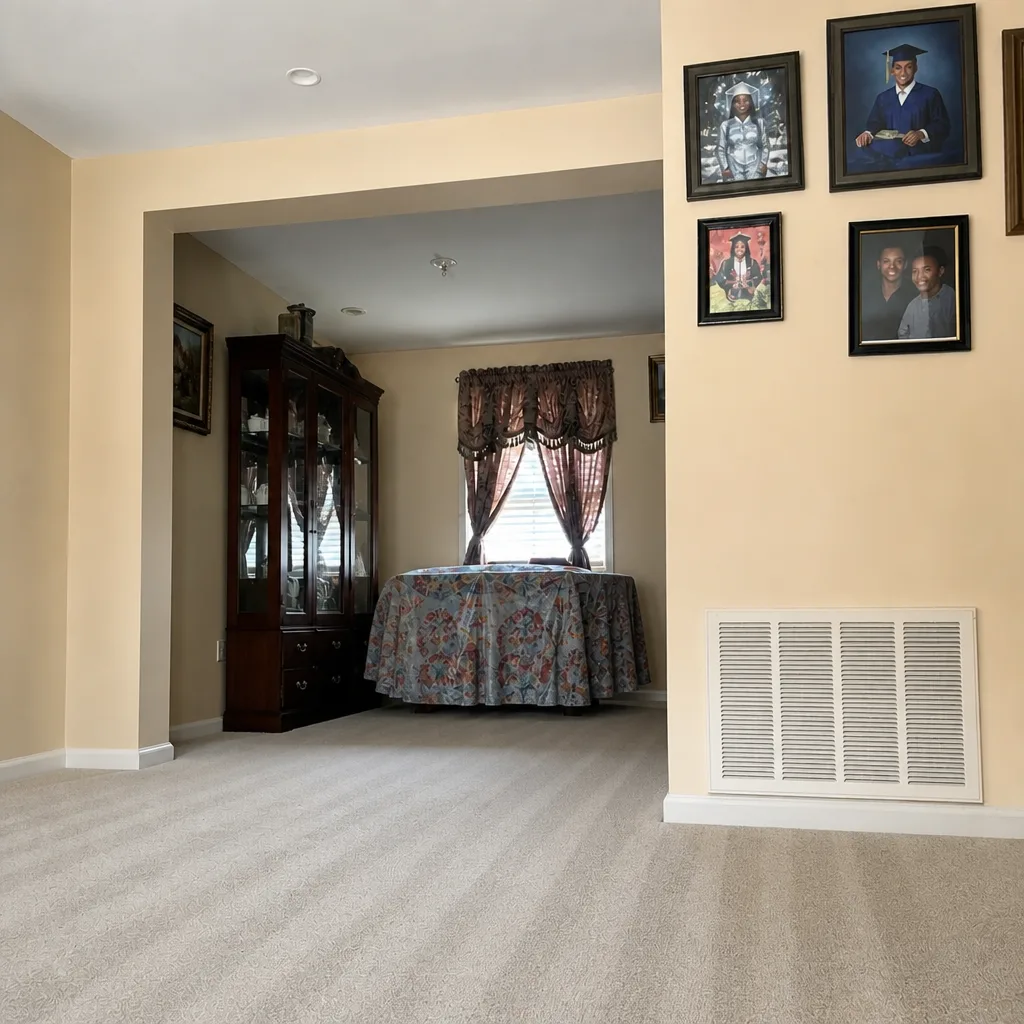
See the difference
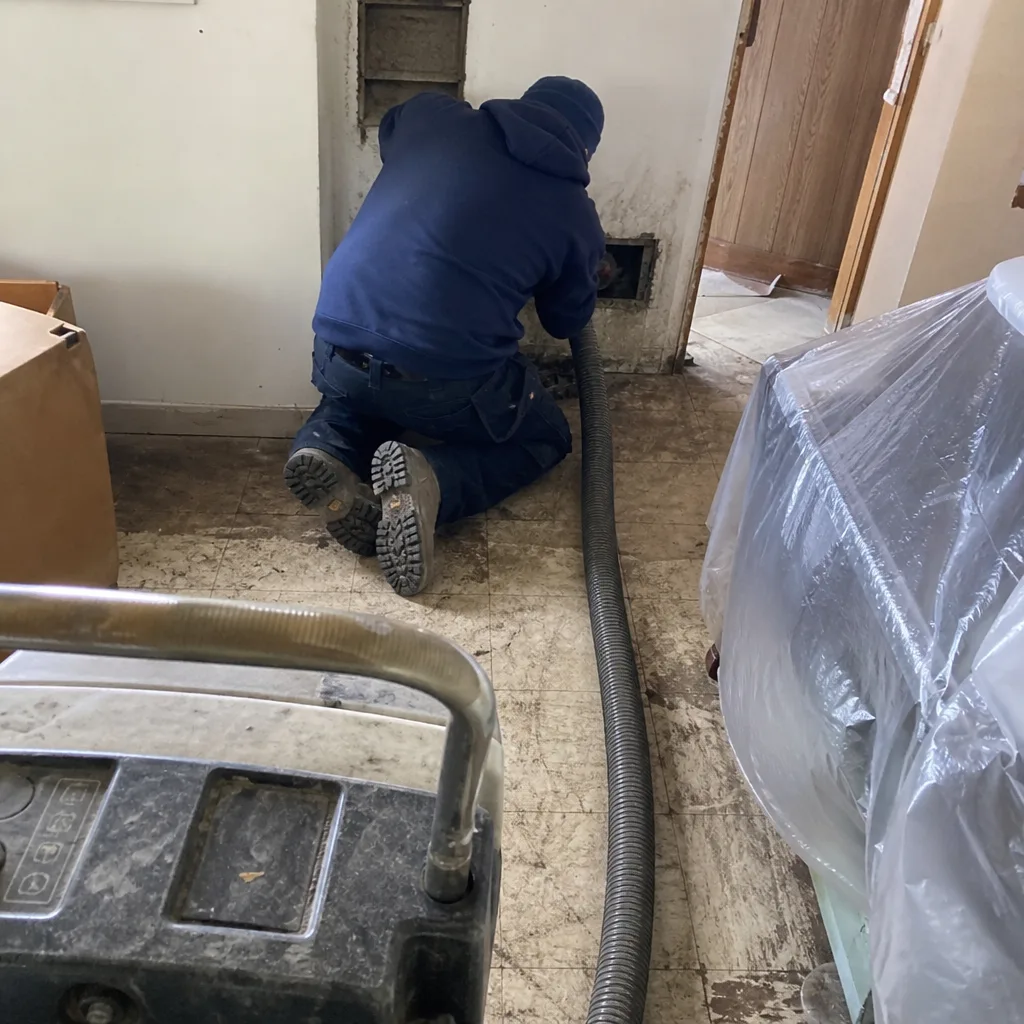 Before
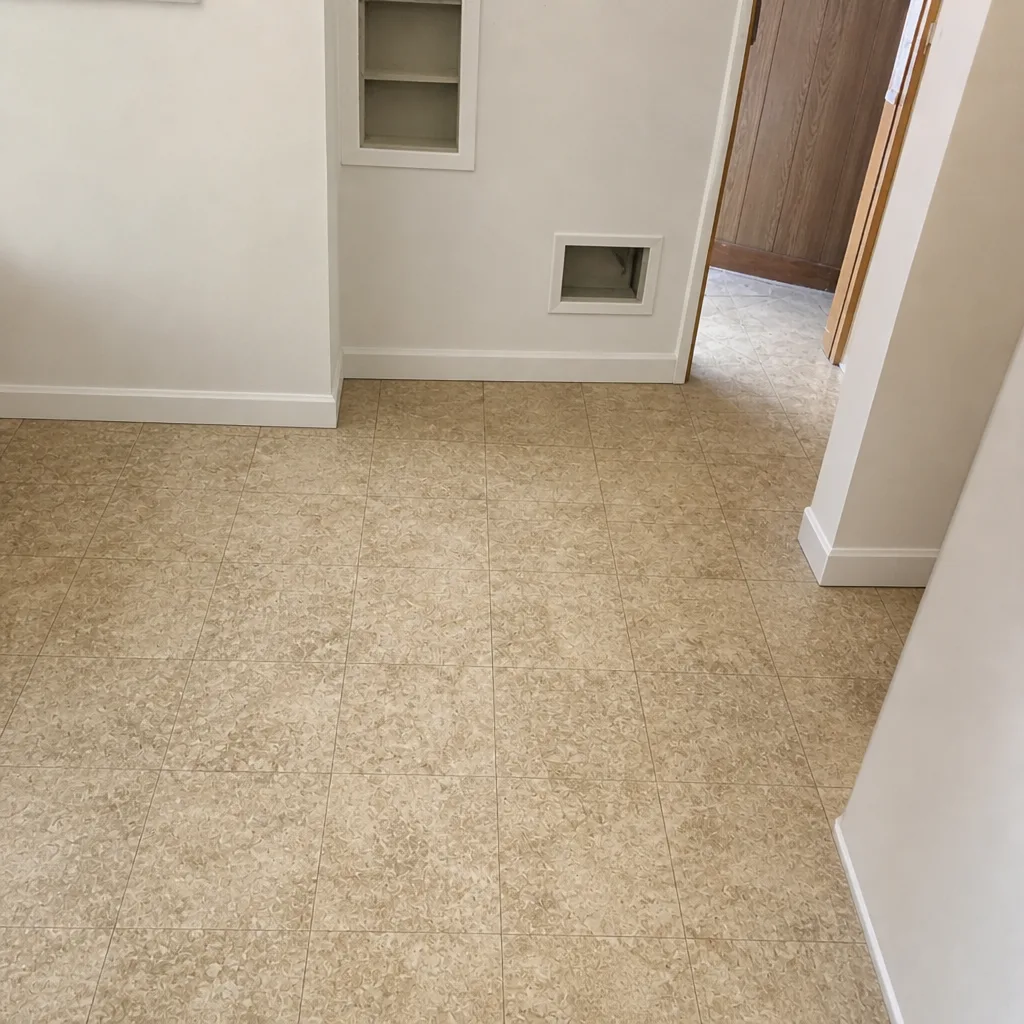 After
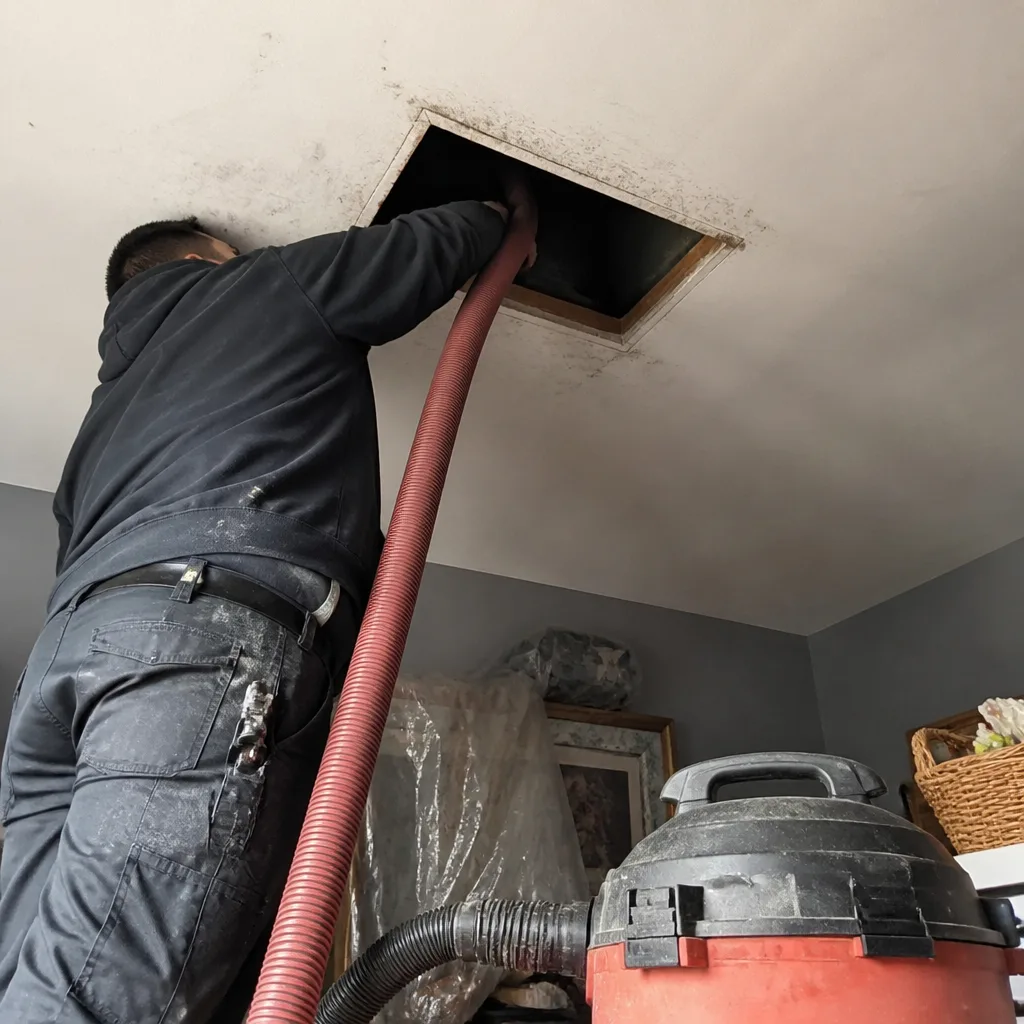 Before
 After
 Before
 After
When to Call a Professional
Call when you’ve got visible register dust that returns within weeks, uneven temperatures between rooms, an odor that survives the first ten minutes of a heat cycle, or any moisture signal inside a duct or at a plenum. Call when you’ve found pest activity in a return, and call after a renovation that generated weeks of construction dust. Call for a dryer vent that’s taking longer to dry or a laundry room that heats up during use. And call when a competitor’s quote is unreasonably low, because it’s worth seeing a written scope before you commit. Air Duct Cleaning Fordham offers free estimates in Fordham. Call (833) 901-6929. We answer 24/7. Fast dispatch from 7am to 7pm, Sunday through Friday. Our technicians have up to 8 years of experience, and we use Rotobrush and Nikro systems rather than improvised vacuum equipment.
Frequently Asked Questions
Residential air duct cleaning in Fordham typically runs in the low-to-mid hundreds of dollars for a single-zone system, with the exact figure set by a written estimate based on your register count, returns, and whether sealing or HVAC cleaning is included. The estimate is free, and the price is set per job before work begins. Call (833) 901-6929 for an exact quote. We answer 24/7. Fast dispatch from 7am to 7pm, Sunday through Friday.
Cheap quotes usually price per vent and clean only what the vent boot exposes, skipping the trunk line and the plenum where most of the debris lives. A proper job agitates the duct walls with a professional-grade system, pulls the loosened material into a HEPA vacuum, and cleans the entire air pathway from return to register. If a quote doesn’t state what’s included and what isn’t, treat it as a different scope, not a better price. Call (833) 901-6929 and we’ll walk you through what’s included in an estimate.
Ask for before-and-after photos of your own ducts, not stock images, and walk the unit yourself when the crew finishes. A register you can look into should look measurably cleaner than it did before, and the plenum at the furnace should be visibly clean. We photograph before and after on every job and it’s the number one way to settle any doubt.
Most Fordham systems do well with a cleaning every three to five years, but active renovation nearby, pest activity, or a shared ventilation plenum can compress that to every two years. Homes with allergies or asthma benefit from a shorter interval. The register walkthrough earlier in this guide is a good way to judge when you’re due.
Dryer vent cleaning is a fire safety service, not a maintenance upsell. Lint accumulates in the vent run along with heat, and the two together are how dryer fires start. Fordham buildings with long exhaust runs and multiple elbows need it more often than suburban homes with short straight runs.
Cleaning removes the accumulated particulate and microbial layer that duct surfaces hold, which is what a properly sanitized system reduces in recirculated air. It’s not a treatment for a medical condition, and it won’t replace a doctor’s guidance. Symptom pattern tracking – HVAC cycle versus outdoor air – is the most useful thing you can do before booking.
The Bottom Line
Duct problems announce themselves slowly and quietly. The musty puff on startup, dust returning to a register within a month, a bedroom that never quite warms, a dryer taking 15 minutes longer, a laundry room that heats up during a load – each one is a small signal that builds. The work of catching a duct issue early is less about buying a service and more about recognizing the patterns before they become health complaints or equipment problems. If you’ve spotted two or more signs on these lists, the next step is a look at the system, not another filter. Call (833) 901-6929 for a free estimate.
Written by the team at Air Duct Cleaning Fordham.