
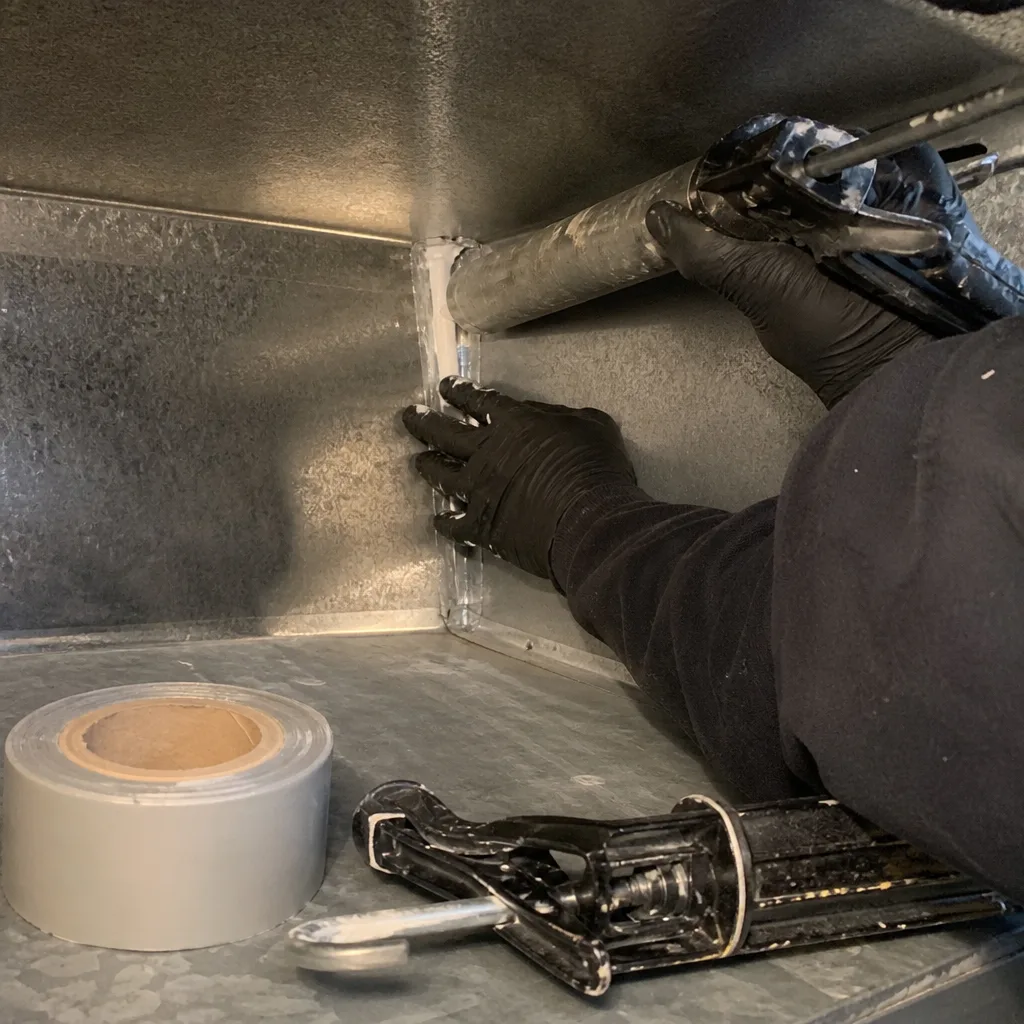
Last updated November 22, 2026
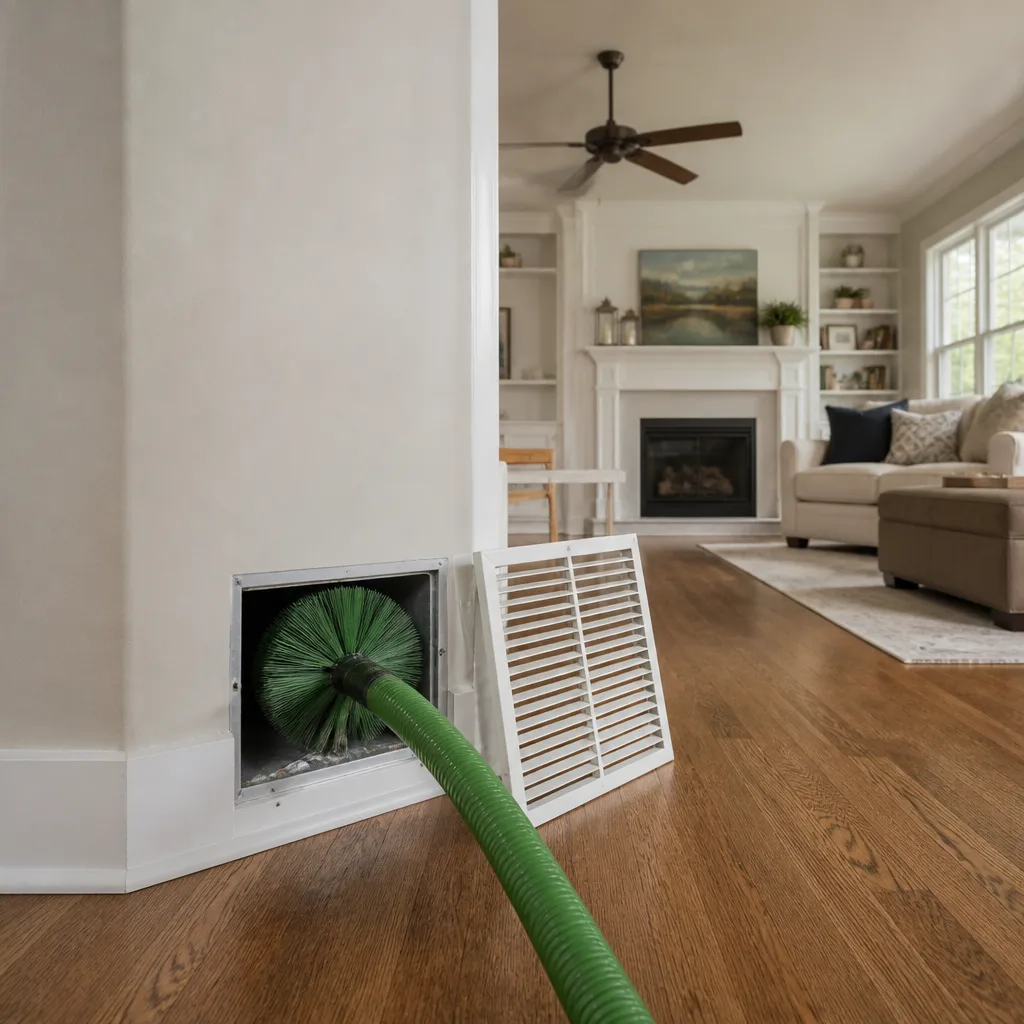 Whole-home duct cleaning
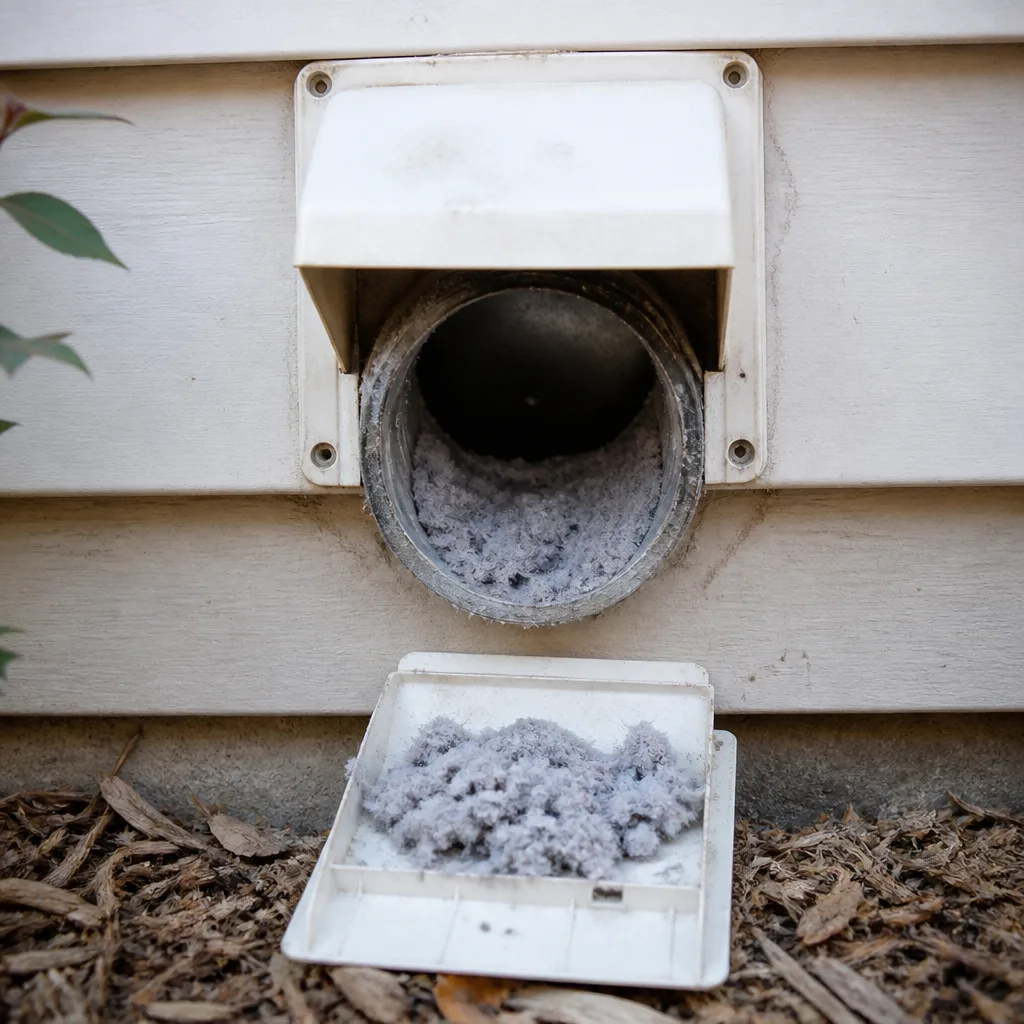 Dryer vent cleaning
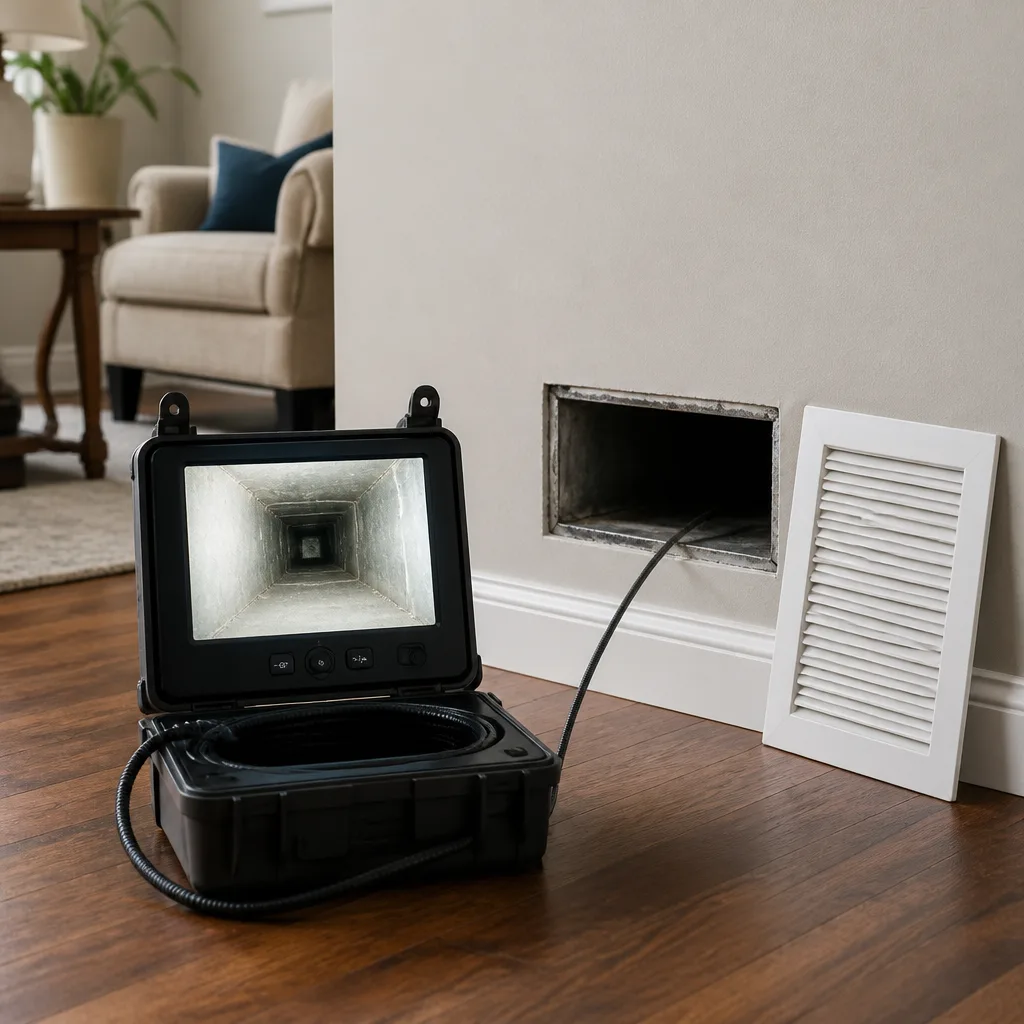 Camera inspection
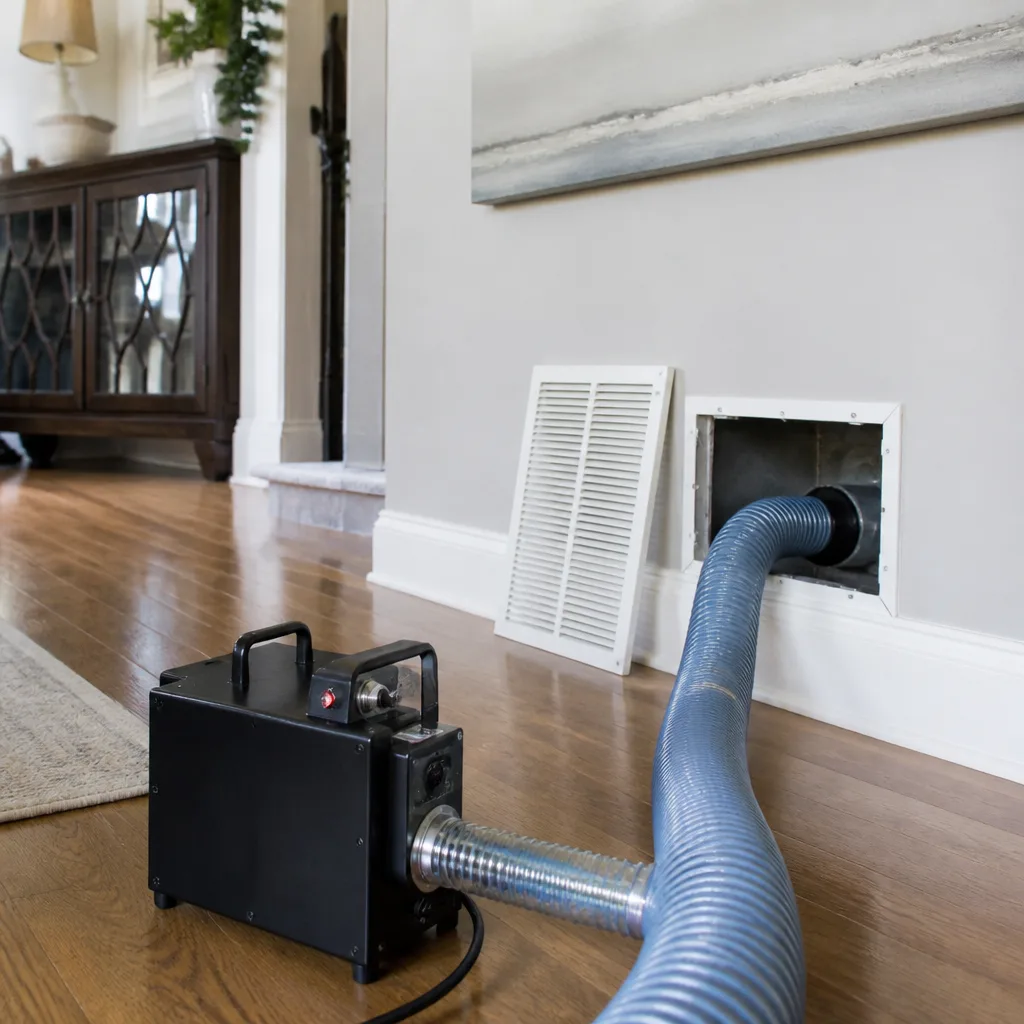 Sanitizing & deodorizing
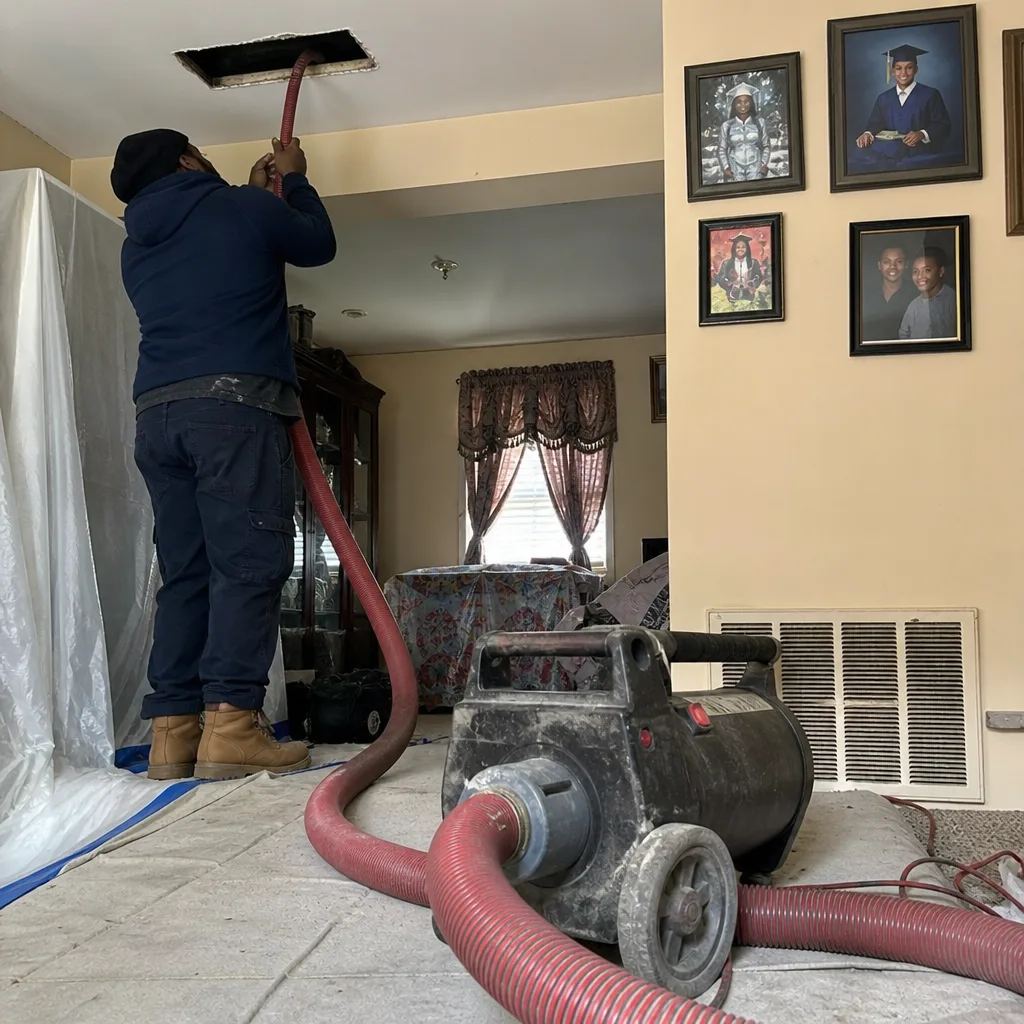
Whole-system duct and dryer vent check with before-and-after photos - you see exactly what came out of your vents
That "$99 whole-house special" is a bait ad - the real number appears once they are in your hallway, or the "clean" is a shop-vac at the register. We photograph the inside of your ducts before and after instead.
Air Duct Cleaning Emergency Preparedness Guide for Fordham Homes
Most Fordham homeowners treat the duct system like plumbing: invisible until something goes wrong. That’s the misconception this guide corrects. In a Fordham row house, after a basement flood, the ducts are usually the last thing anyone remembers and the first place mold settles in. Wet air handler components and condensation inside the ductwork create ideal growth conditions within 24 to 48 hours, well before the drywall looks dry. What follows is the protocol to have ready before the emergency, so you’re not learning it while the water is still rising.
Quick Answer
After any emergency that moves water, smoke, pests, or heavy dust through a Fordham home, the duct system needs professional assessment before the forced-air system runs again. Running it first spreads contamination through every room. Call for inspection within 24 to 48 hours of water intrusion, and treat fire, smoke, rodent, and post-renovation events as duct emergencies too, not just cleaning chores.
Styles & brands we work with
- Whole-home duct cleaning
- Dryer vent cleaning
- Camera inspection
- Sanitizing & deodorizing
Table of Contents
- The Four Emergencies That Require Immediate Duct Assessment
- Post-Flood Protocol for Fordham Row Houses
- Smoke and Fire Damage: Soot Residue vs. Odor Compounds
- Rodent and Pest Infestation in Ductwork
- Post-Renovation Dust: The Slow-Motion Emergency
- Documenting Duct Condition for Insurance Claims
- Common Mistakes to Avoid
- When to Call a Professional
The Four Emergencies That Require Immediate Duct Assessment
Not every home event touches the ducts. These four do, and each one calls for a different response. Getting the category right on day one determines how much work is needed on day ten.
- Water intrusion or flooding. Basement water, burst supply lines, roof leaks that reach the ceiling plenum, or a failed condensate pan can all wet the air handler and duct interior. This is the fastest-moving scenario because mold growth begins within 24 to 48 hours.
- Fire or smoke, including small kitchen fires. A contained stovetop flare-up can push soot and volatile smoke compounds into the return side of the system. The fire department may not have opened a single supply register to check.
- Rodent or pest infestation confirmed in the ducts or air handler. Droppings, nesting material, and chewed insulation are contamination events, not just an odor problem. This one is a health issue before it’s a comfort issue.
- Significant renovation without system protection. Sanding, demolition, and drywall work generate fine particulate that bypasses typical filters. If the system ran during the work, that dust is now coating the inside of every duct run.
In Fordham, the housing stock shapes how these events play out. Row houses share walls and sometimes share mechanical chases, so a flood in one unit can affect a neighbor’s air handler through shared framing cavities. Older Fordham homes with original galvanized ductwork are also more vulnerable to seam separation and interior corrosion, which gives contamination more places to hide. Multi-family buildings near the Grand Concourse corridor see more pest pressure in shared chases for the same reason.
Post-Flood Protocol for Fordham Row Houses
The single most important thing to know about a flooded Fordham home: shut off the forced-air system and keep it off until a technician inspects the ducts. Running the system to “dry things out” is the opposite of what you want. Every cycle pulls moisture and airborne mold spores from wet components and pushes them through every supply register in the house.
Here’s the sequence that protects both the system and the people living in it:
- Stop the system at the thermostat, then at the breaker. Don’t rely on the thermostat alone, since a schedule can restart it.
- Photograph everything before you move anything. Air handler, duct openings, water lines, and the standing water line. We’ll cover what to photograph in the insurance section below.
- Remove standing water and dry structural materials first. Duct work comes after the building is dry, but the clock on mold begins now.
- Get a duct inspection inside 24 to 48 hours. This is the window where proactive cleaning and sanitizing prevent a much larger remediation job.
- Don’t run the system until it’s cleared. Once ducts are cleaned, sanitized, and confirmed dry, the system goes back online safely.
Why the 48-hour number matters: mold needs moisture and organic material, both of which are present the moment a duct system gets wet. Insulation lining inside ductwork, dust film on metal, and the foam and fiberglass components of an air handler all feed growth. In our experience, homes that waited on the inspection rather than starting with a cleaning and sanitizing visit often needed duct repair and sealing afterward, because mold had penetrated seams and joints. air duct cleaning after a flood is not the same as routine cleaning. It’s a contamination response, and it should include antimicrobial treatment and full drying verification.
Smoke and Fire Damage: Soot Residue vs. Odor Compounds
Fire damage splits into two problems that look like one. Soot residue is visible physical contamination: the black film, the ash, the charred particles. Odor-causing volatile compounds are invisible. They soak into duct lining, gaskets, and insulation and keep off-gassing long after the visible soot is gone. Cleaning removes the first. Only a sanitizing and sealing treatment addresses the second.
That’s why a duct system that looks clean after a fire can still smell like smoke in every room. The cleaning was complete. The odor source was never touched.
What a proper smoke and fire response looks like:
- Physical removal of soot from the air handler, blower, coils, and interior of ducts using HEPA-filtered extraction and mechanical agitation.
- Inspection of return-side ductwork especially, since smoke travels through returns more than supplies.
- Application of a sanitizing treatment to neutralize volatile odor compounds, not mask them.
- Sealing of any gaps, seams, or deteriorated duct lining where smoke penetrated.
- Post-treatment verification: the system runs clean and the smoke odor is gone, not just suppressed.
Even small fires count. A contained kitchen fire on a stovetop can push smoke into a return grille on the hallway ceiling within seconds. In Fordham homes with return registers near kitchens or shared living spaces, the smoke gets pulled directly into the system. If you smelled smoke in more than one room after a fire, the ducts saw it too.
Rodent and Pest Infestation in Ductwork
Rodent activity in ductwork is a contamination event, and it needs to be handled like one. Droppings, nesting material, and chewed insulation carry respiratory risk, especially in sealed homes where the same air recirculates. Standard cleaning equipment isn’t adequate for this. Fecal matter and nesting material require HEPA-filtered extraction to avoid aerosolizing particles into living space during removal.
What a professional inspection confirms before any cleaning begins:
- The extent and location of contamination, including whether the air handler itself is affected.
- Points of entry, which is where the real fix lives. Cleaning without sealing the entry gap invites the next infestation.
- Condition of duct insulation and flex connections, since rodents chew through both.
- Whether the system needs disinfection or just mechanical removal and sealing.
Sealing is the part most homeowners underestimate. A professional crew that only cleans will leave the entry point open, and the problem returns. Duct repair and sealing closes the breach, restores the system’s pressure balance, and eliminates the re-entry path. In Fordham row houses and multi-family buildings, shared mechanical chases and party-wall penetrations are the usual weak points. If a neighbor has had rodents, it’s worth having your own system inspected even without obvious signs.
The full restoration typically combines HEPA extraction, antimicrobial treatment of the affected runs, and sealing of the confirmed entry points. That’s one coordinated job rather than three contractor visits, which is the practical reason to have the whole pathway handled at once. dryer vent cleaning belongs in the same inspection, because rodents also use dryer vents as a highway into the home.
Post-Renovation Dust: The Slow-Motion Emergency
Renovation dust doesn’t feel like an emergency because nothing is on fire and nothing is wet. But the contamination is real and it happens in the most ordinary way. Drywall dust, sawdust, insulation fibers, and demolition particulate drift into return grilles every time the system runs during the work. A standard filter catches a fraction of it. The rest settles inside the duct runs and stays there, coming back into the living space every time the system cycles.
In Fordham brownstones and older renovations, this is amplified by the way HVAC systems are routed through small mechanical closets and older return chases. The path is short and the return pulls from central rooms, which is exactly where dust is heaviest.
The post-renovation protocol:
- Before the work starts, cover return grilles and register openings with filter media or plastic, and shut the system down during heavy dust phases.
- After the work, run the system briefly to expose the contamination pattern.
- Have the ducts cleaned professionally with HEPA-filtered extraction, which pulls fine particulate without redistributing it.
- Check the air handler and blower, since construction dust also coats coils and reduces efficiency.
- Replace all filters and consider sanitizing if there was any moisture exposure during the work.
If the renovation included any water intrusion, treat it as a flood scenario. Water plus construction dust in the ducts is the mold-growth recipe we covered earlier, and it needs immediate attention rather than a cleaning scheduled after the project is finished.
Documenting Duct Condition for Insurance Claims
Insurance documentation is where most homeowners lose money on a legitimate claim. Duct contamination is often an includable item, but only when it’s documented the way the adjuster needs to see it. The adjusters we’ve worked with want evidence of cause, extent, and reasonable remediation cost. Vague photos and a verbal estimate rarely clear.
What to photograph immediately after the event:
- The water line on the air handler, on duct openings, and on nearby structural materials.
- Visible soot or smoke residue at registers and inside the air handler cabinet if accessible.
- Droppings, chewed insulation, or nesting material, with a coin or ruler for scale.
- Drywall or framing damage in the vicinity of duct runs, which establishes cause and path.
- Any visible mold growth, on duct surfaces or components, photographed before anything is disturbed.
A written technician assessment should include the date and time of inspection, what was visually accessed and how, the category of contamination (water, smoke, pest, or particulate), the affected runs and components, removal and treatment steps required, and whether sealing or repair is needed. It should also distinguish remediation work from routine cleaning, since insurers treat those differently.
Under New York homeowners’ policies, restoration steps tied to a covered event (flood, fire, or pest from a covered cause) are typically included when properly documented, but coverage varies by policy and adjuster. We always recommend asking your carrier directly what they require before work proceeds. A written assessment and clear photos are what make that conversation straightforward.
Common Mistakes to Avoid
- Running the system to dry it out. After a flood, this is the most damaging thing you can do. It pulls moisture and spores through every register and accelerates the mold window.
- Waiting past 48 hours to inspect. Fordham homes that delay discovery often end up needing repair and sealing on top of cleaning because mold has already reached the seams.
- Assuming visible cleanliness means it’s safe. Smoke, fecal contamination, and fine particulate are often invisible inside the duct. A dusty register isn’t the measure of a duct’s condition.
- Cleaning without sealing after a pest issue. Without sealing the entry point, the next infestation is a matter of time, not chance.
- Skipping documentation until after cleanup starts. Photograph before anything is moved, dried, or cleaned. Hours spent drying before documentation can cost the claim.
- Treating dryer vents as an unrelated chore. Dryer vent cleaning is a fire-risk service, and it’s worth inspecting at the same time as the ducts after any emergency.
- Using a general cleaning crew instead of a duct-specific team. Standard equipment can redistribute contamination rather than remove it. Ducts need HEPA-filtered, purpose-built systems to be cleaned and cleared safely.
See the difference
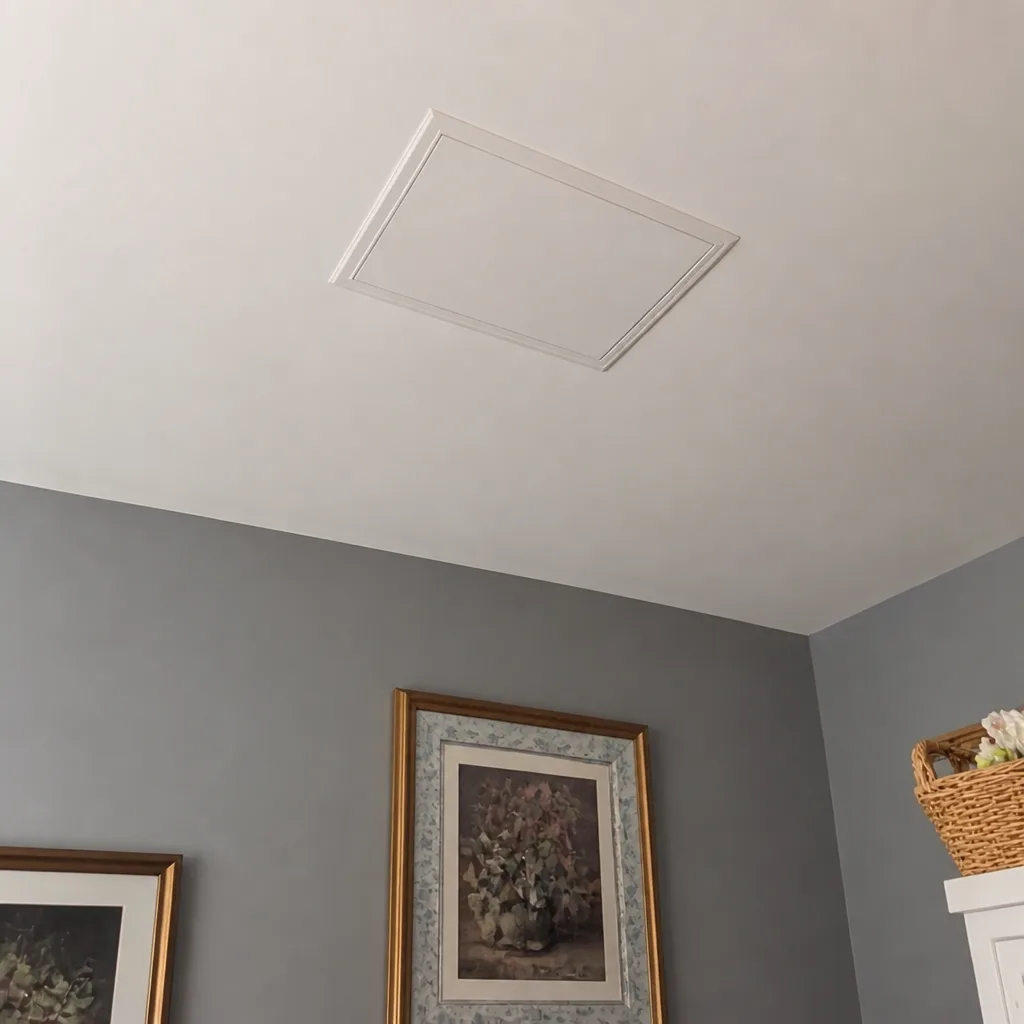
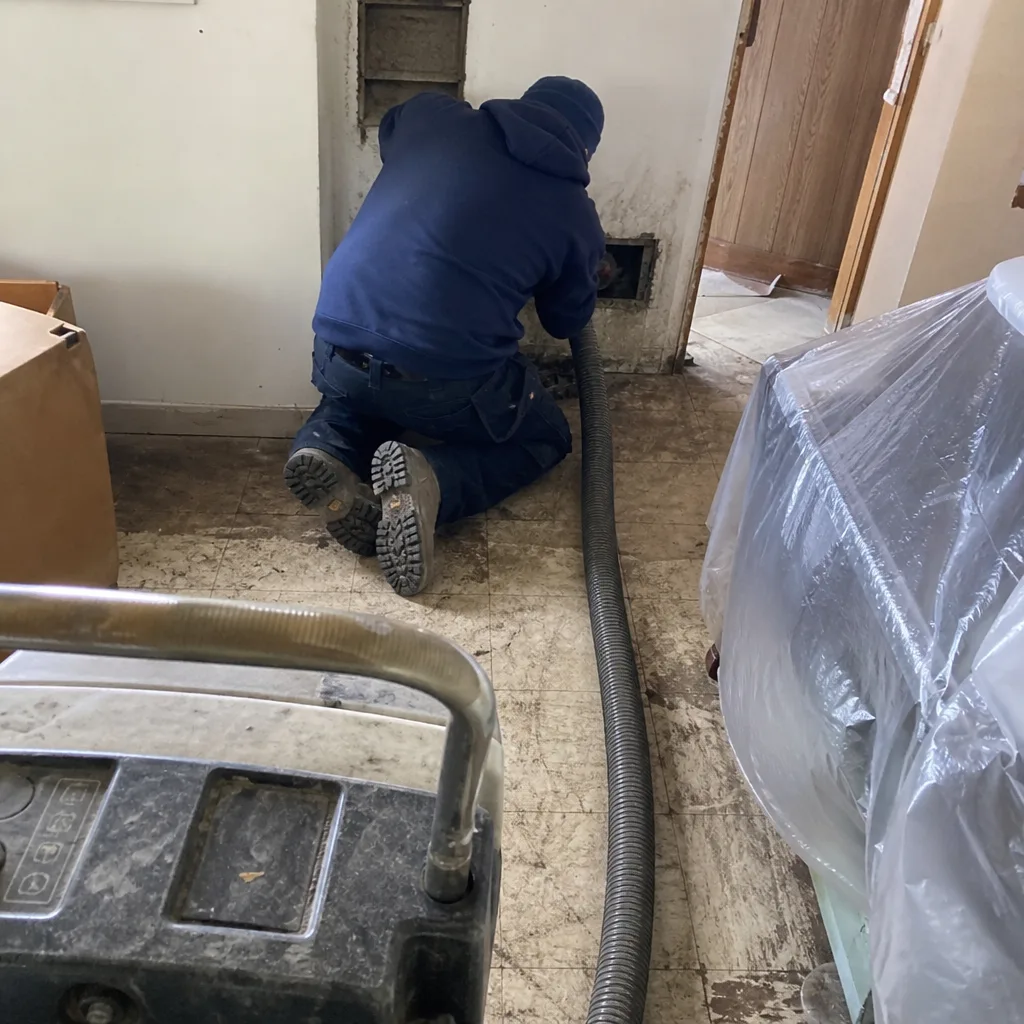 Before
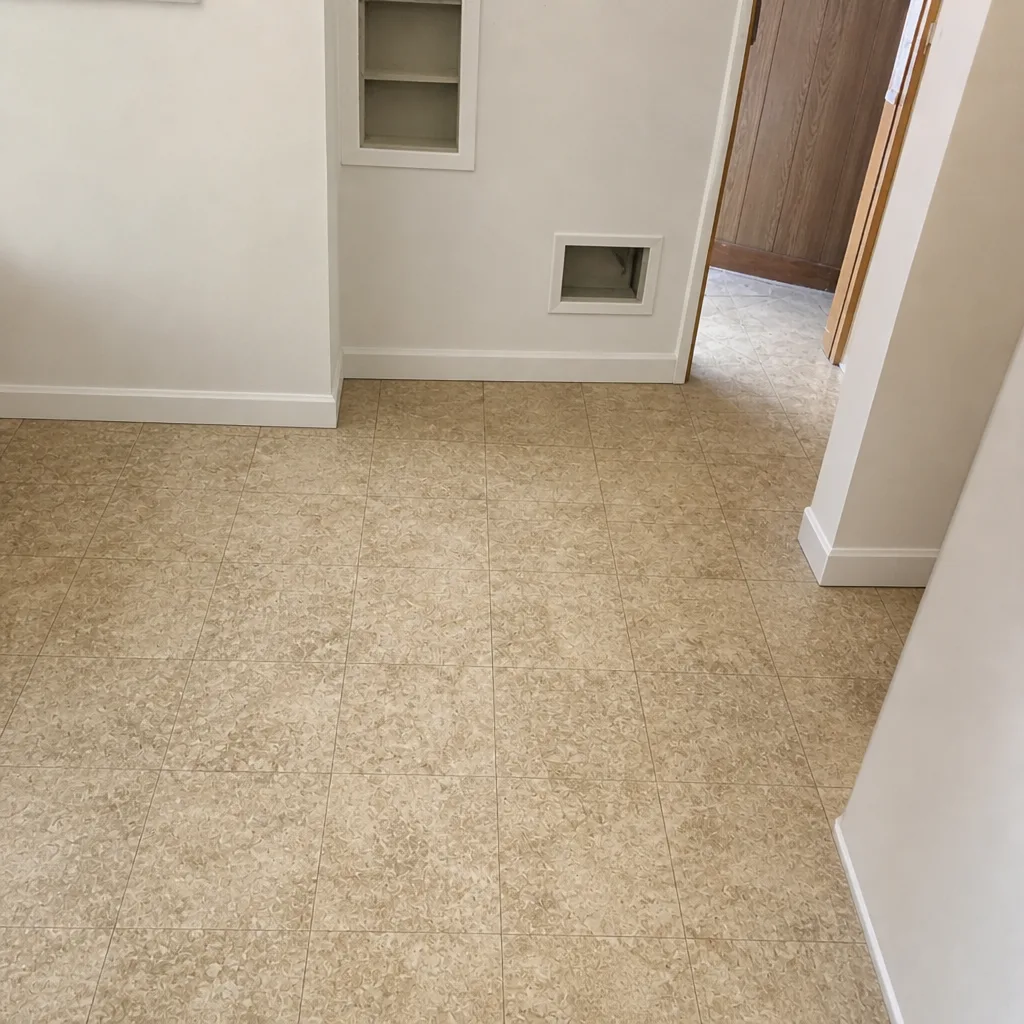 After
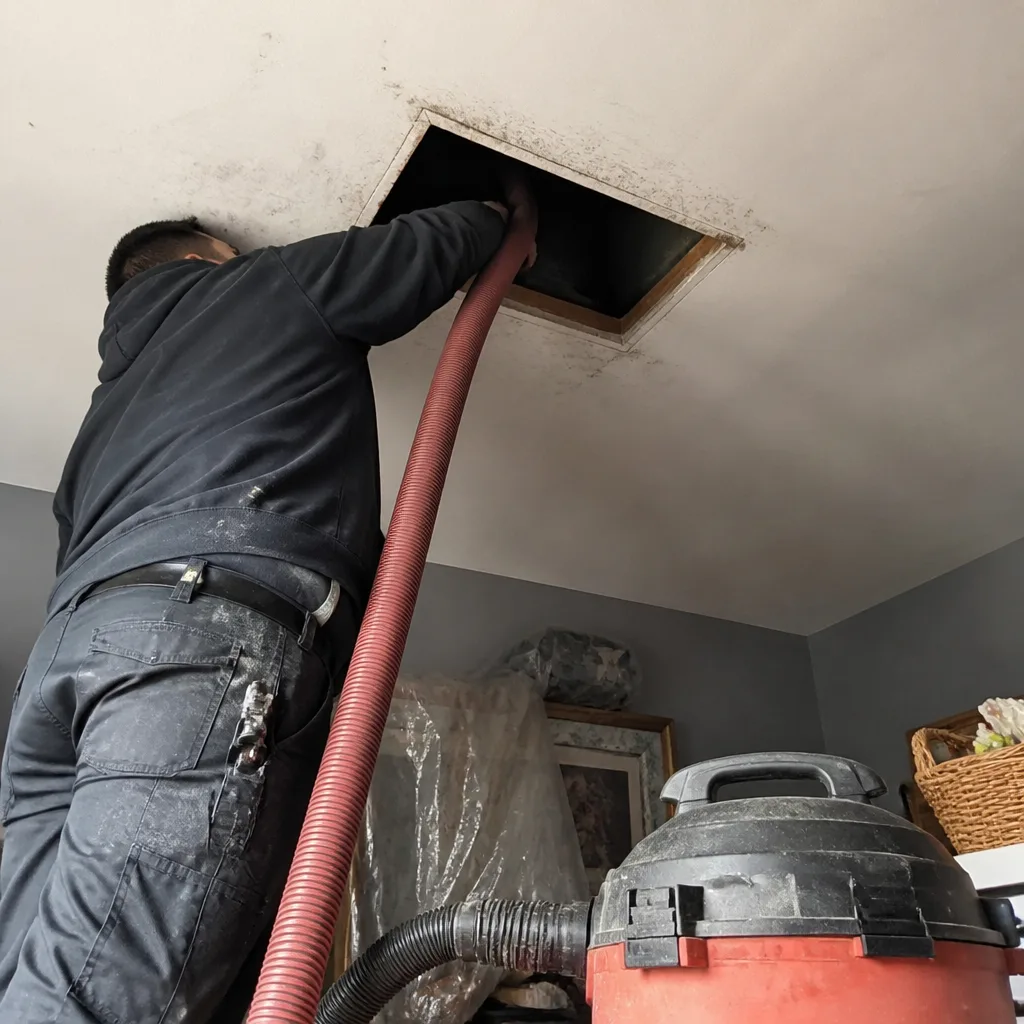 Before
 After
 Before
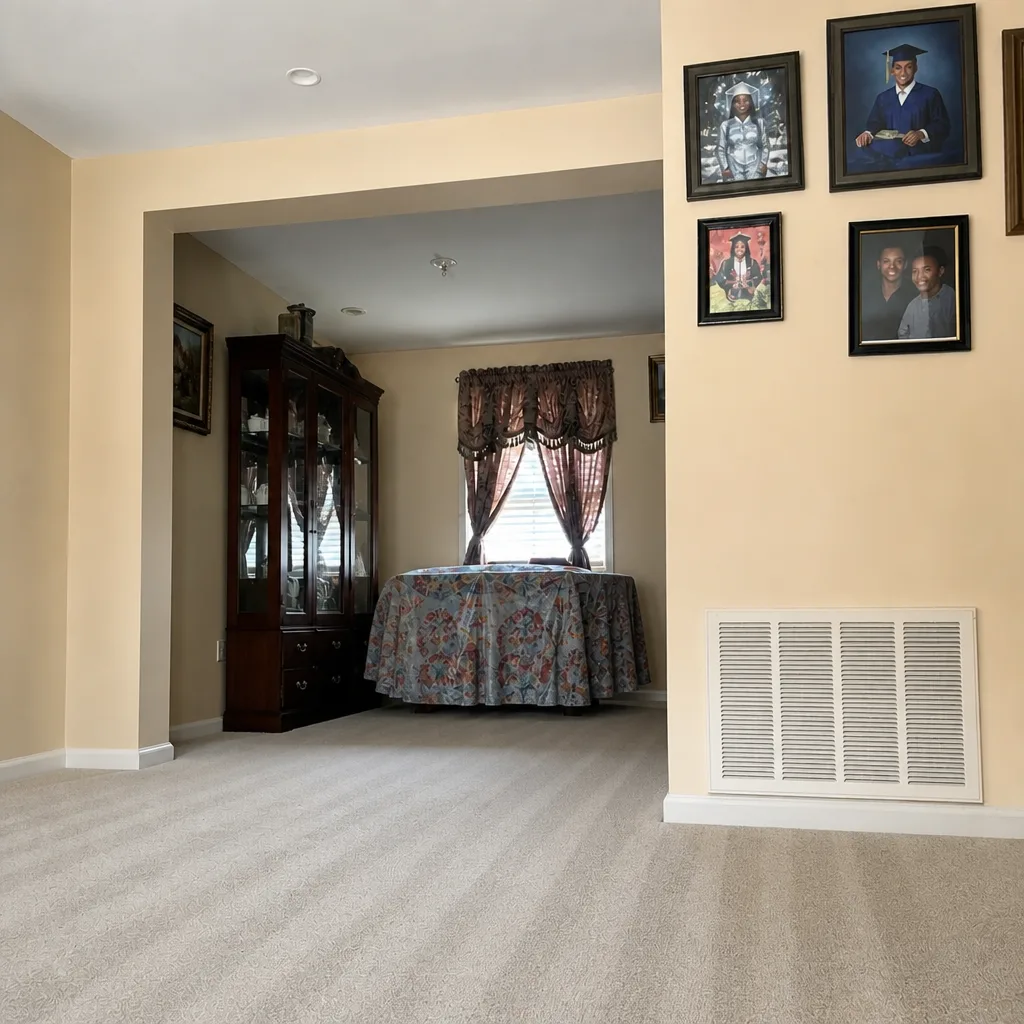 After
When to Call a Professional
Call a professional after any event that moved water, smoke, pests, or heavy dust into the home, and don’t wait for a visible sign. The early signs are subtle: a musty odor in one room, a persistent smell after cooking or a fire, visible droppings near a register, or a spike in allergy symptoms after a renovation. In Fordham, the multi-family buildings and shared mechanical chases make cross-unit contamination common, so if a neighbor reported a flood or rodent issue, it’s worth having your own system checked.
Air Duct Cleaning Fordham offers free estimates in Fordham. Call (833) 901-6929. We answer 24/7. Fast dispatch from 7am to 7pm, Sunday through Friday.
How We Handle Emergency Duct Work
We handle the whole air pathway in one visit, which matters when an emergency leaves no time for coordinating separate contractors. Our inspection confirms what’s affected, our cleaning removes the contamination with HEPA-filtered professional equipment, and our repair and sealing closes any breach found along the way. The result is a system that’s clean, sealed, and back in service without a second crew scheduling a return trip.
We use professional-grade equipment from recognized brands rather than improvised tools. Rotobrush and Abatement Technologies systems are purpose-built for duct and indoor air work, which is why they’re what we rely on for post-flood and post-fire jobs where residue is fine and airborne. Honeywell and Aprilaire components show up as part of the system-level check, so filtration and controls get the same attention as the ducts themselves. For homeowners who want full-pathway coverage, we also handle HVAC cleaning so the air handler, coils, and blower are addressed alongside the ductwork.
One Air Duct Cleaning Fordham team, one coordinated response, and clear documentation you can hand to your insurer. That’s the difference between a cleaning chore and a proper remediation.
Frequently Asked Questions
Within 24 to 48 hours. Mold growth begins within that window in wet duct systems, and having the system inspected and the contamination addressed early prevents mold from spreading into seams and joints, which is where repair and sealing become necessary. Call us and we’ll schedule an inspection right away.
No. Shut the system off at the thermostat and at the breaker until a technician has inspected the ducts. Running the system pushes moisture and mold spores through every room in the house, which makes contamination worse and remediation more involved. Call (833) 901-6929 for an inspection.
Not reliably. Cleaning removes visible soot but leaves the volatile compounds that cause the odor still soaked into duct lining and gaskets. A sanitizing and sealing treatment is what neutralizes those compounds. Call us for an accurate assessment.
Signs include visible droppings near registers, chewed insulation, musty or acrid odor, increased allergy symptoms, or scratching sounds in the morning. Those are strong enough to warrant a professional inspection before any cleaning. Call us for a free estimate.
Often, yes, when the loss is tied to a covered event like a flood, fire, or pest infestation from a covered cause. Coverage and included work vary by policy, so document the condition before cleanup and confirm requirements with your carrier. A written technician assessment and photos support the claim.
Pricing depends on the scope: affected runs, contamination category, and whether repair or sealing is included. We give a written estimate before work begins, and it’s free. Call (833) 901-6929 for an exact quote.
The Bottom Line
Emergencies in Fordham homes move faster than most people expect, especially when water reaches the duct system. Shut the system down, photograph everything, and get an inspection inside 24 to 48 hours. Treat fire, pest, and renovation events as duct emergencies even when the house looks fine. Document the condition before cleanup begins so an insurance claim stands up. And choose a team that handles the entire air pathway, so the ducts, the air handler, and any sealing get addressed in one coordinated response rather than three separate visits.
Call (833) 901-6929 for a free estimate. We answer 24/7. Fast dispatch from 7am to 7pm, Sunday through Friday.
Written by the team at Air Duct Cleaning Fordham.