
Last updated November 22, 2026
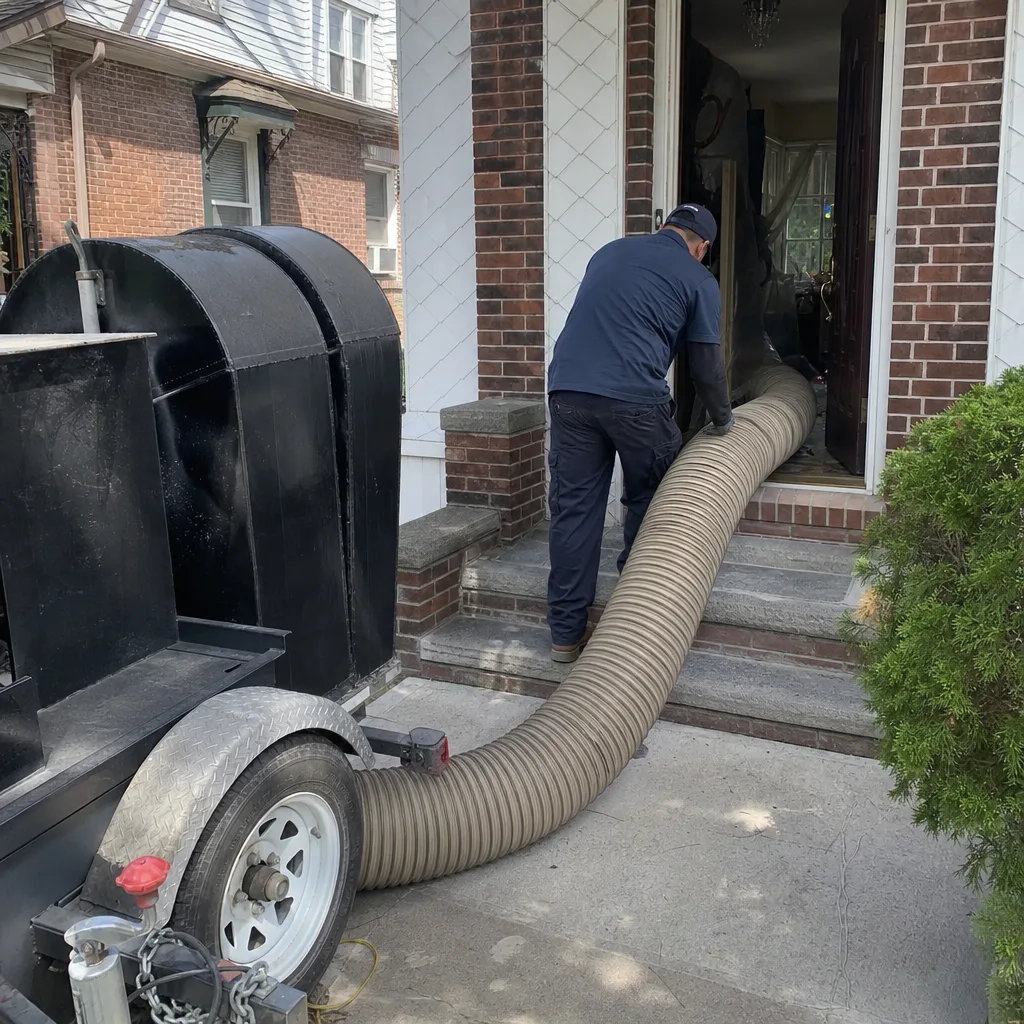
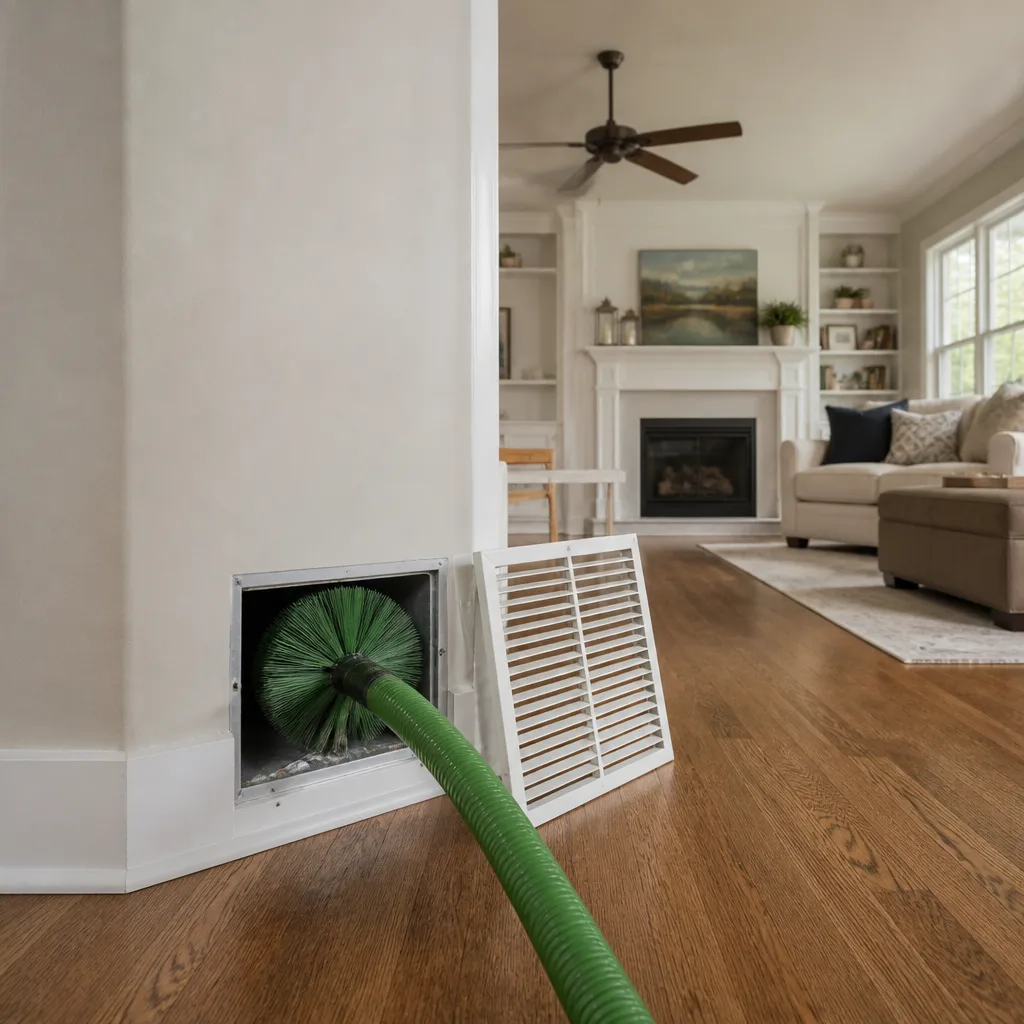 Whole-home duct cleaning
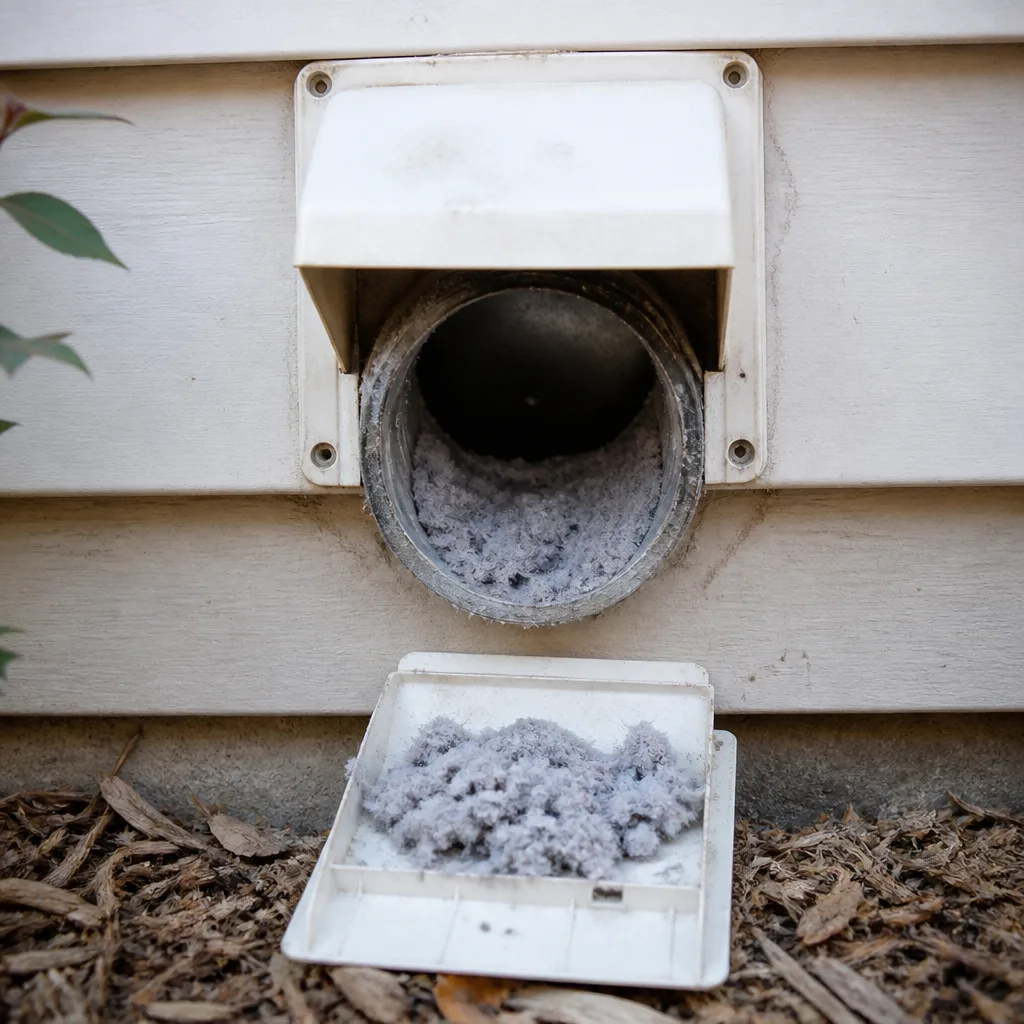 Dryer vent cleaning
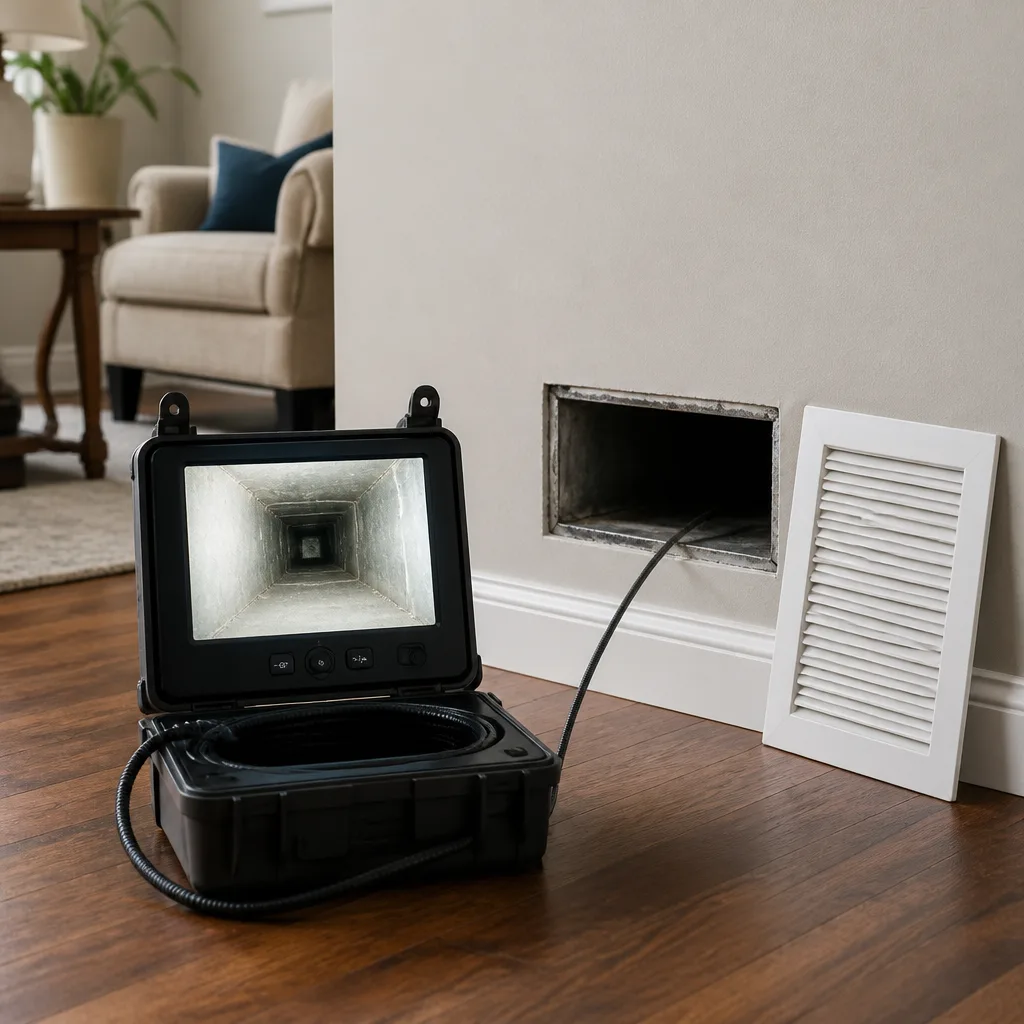 Camera inspection
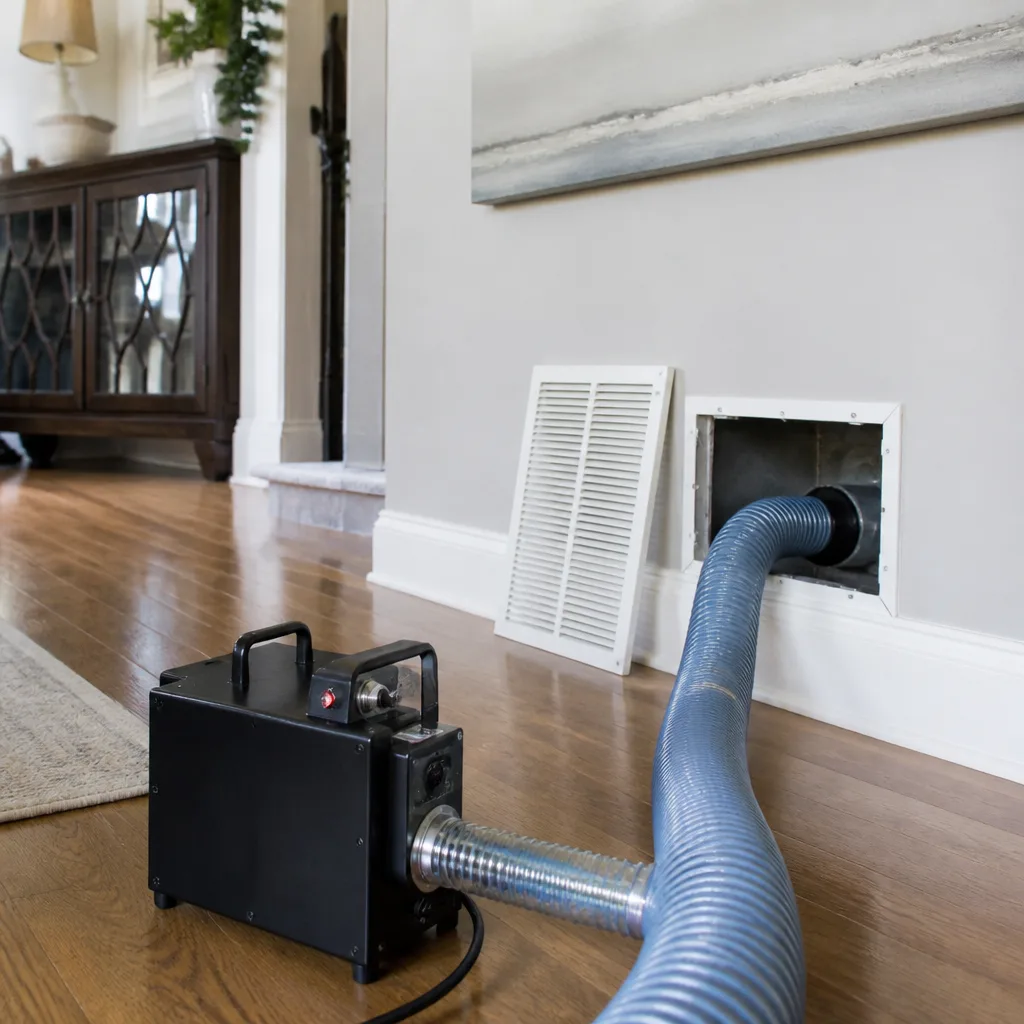 Sanitizing & deodorizing
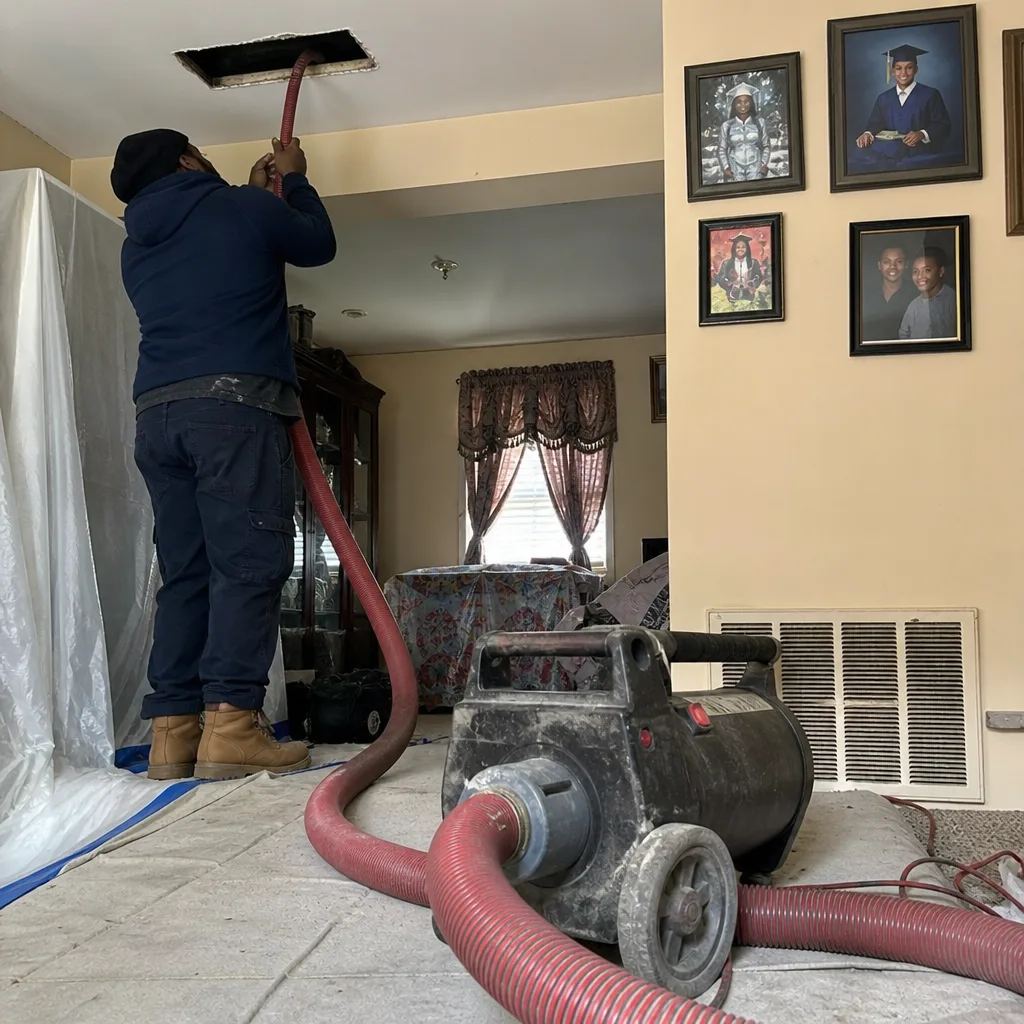
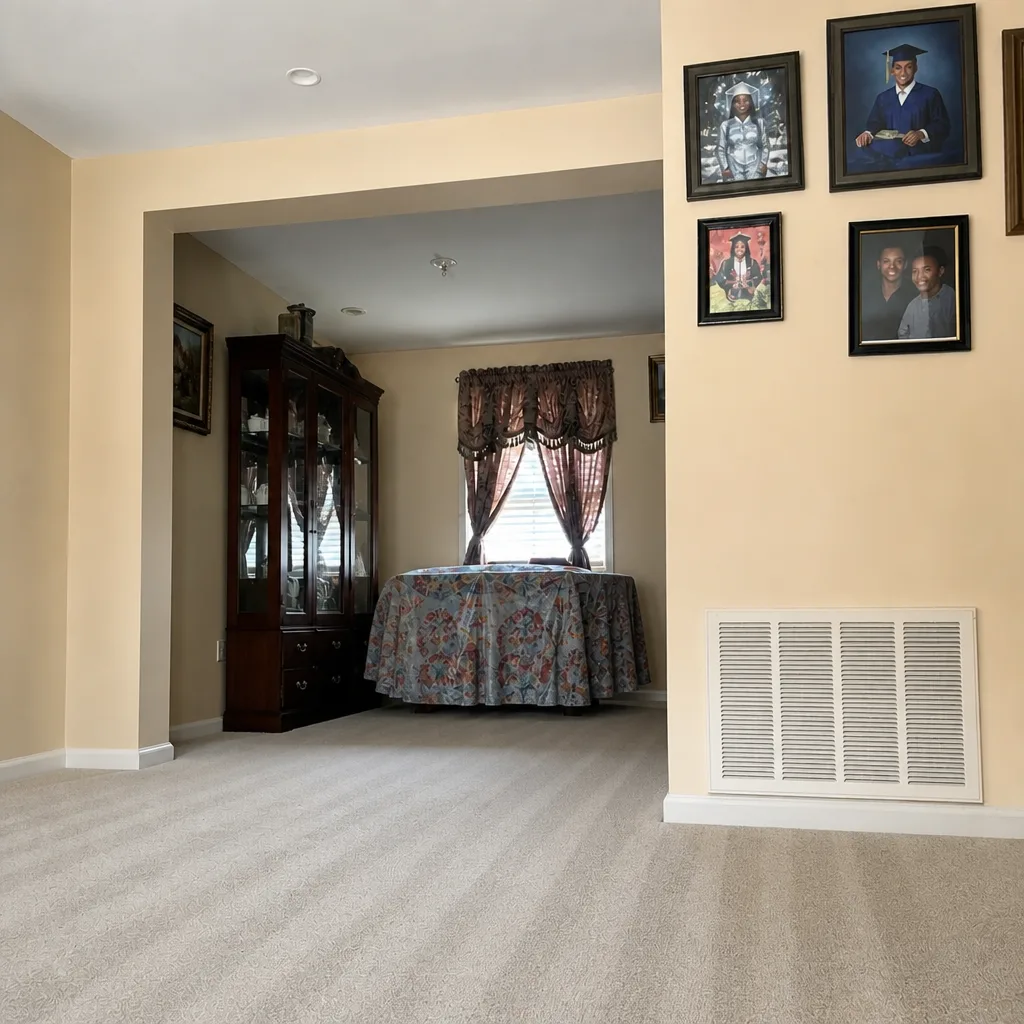
Whole-system duct and dryer vent check with before-and-after photos - you see exactly what came out of your vents
That "$99 whole-house special" is a bait ad - the real number appears once they are in your hallway, or the "clean" is a shop-vac at the register. We photograph the inside of your ducts before and after instead.
Air Duct Cleaning Maintenance Checklist for Fordham Homeowners
Most air duct checklists you’ll find online were written for a suburban house with a basement furnace and central air running all summer. That’s not Fordham. Here, you’re just as likely to live in a pre-war co-op with radiators and a window unit, a converted multifamily where the ductwork was retrofitted decades after the walls went up, or a standalone house on a tight lot. The maintenance calendar that actually works depends on which of those you live in, what heats your home, and how the building shares its systems. This guide gives you a checklist sorted by building type, shows you which tasks you can observe yourself and which need a technician, and explains when each one should happen. It’s written for Fordham homeowners who want to understand their own system, not just hand it off.
Quick Answer
A practical air duct maintenance checklist for a Fordham home has three layers: monthly tasks you do yourself (filter checks, lint trap clearing, register observations), seasonal tasks tied to your heating and cooling changeover, and professional tasks on a multi-year cycle (full duct cleaning, dryer vent line clearing, HVAC coil cleaning, and duct sealing). Standalone houses generally need professional duct cleaning every 3 to 5 years; co-ops and condos should follow whatever the building’s own service schedule is and clean their in-unit runs on top of it. Anyone who has just finished a renovation should add a one-time professional cleaning regardless of the calendar.
Styles & brands we work with
- Whole-home duct cleaning
- Dryer vent cleaning
- Camera inspection
- Sanitizing & deodorizing
Table of Contents
- Checklist by Building Type: House, Co-op, or Converted Multifamily
- The Monthly Layer: What You Can Check Yourself
- The Seasonal Layer: Heating and Cooling Changeover
- The Professional Layer: What Needs a Technician and How Often
- Dryer Vents: Trap, Duct, and Line Are Three Different Things
- The Post-Renovation Addendum
- How to Document Your System Between Visits
- Common Mistakes to Avoid
Checklist by Building Type: House, Co-op, or Converted Multifamily
The single biggest thing generic checklists get wrong is assuming you control the whole air pathway. In Fordham, plenty of residents don’t. Here’s how the checklist splits.
Standalone House
- You own the full pathway: supply and return ducts, the HVAC air handler, the dryer vent line, and every register.
- Filter changes are on you and should be logged by date.
- Duct sealing is a real task here. Older houses leak at joints and boot connections, and sealing pays back in efficiency.
- Attic and crawlspace runs can collect debris and, in older construction, pest evidence. Have them inspected during any professional visit.
Co-op or Condo
- Shared risers and the building’s main HVAC systems are typically the building’s responsibility. Ask the managing agent for the building’s service schedule before you book anything.
- In-unit runs, registers, and any through-wall or window AC units are yours.
- Document the boundary so you don’t pay for work the building already covers, and so a technician knows where your responsibility ends.
Converted Multifamily
These buildings often had ductwork added after the fact, snaked through closets, dropped ceilings, and soffits. Runs can be short, oddly routed, and poorly sealed at transitions.
- Expect more leaks and more debris traps at the junctions where new duct meets old construction.
- Access panels are worth mapping. Know where they are before a technician arrives.
- Sealing matters more here than in any other building type, because a short run with a leak loses a big share of its air before it reaches the room.
Whichever type you live in, the observation tasks below are yours to run in every case.
The Monthly Layer: What You Can Check Yourself
These are observation tasks, not cleaning tasks. You’re gathering evidence, not fixing anything. Nothing on this list requires opening the system or reaching into ductwork.
- Pull the filter and look at it. Don’t just check the date. Hold it to a light. A filter that’s uniformly gray is doing its job; one that’s matte with a visible shadow of dust across the whole face is done, even if the calendar says otherwise.
- Note the color and density in a phone note. “Light gray, even” and “dark gray, heavier on the return side” mean very different things across 30, 60, and 90 days.
- Look at register grilles. Streaking radiating outward from a supply register usually points to a leak at the boot, which blows dust against the wall.
- Watch for pattern changes. If one register is suddenly dustier than the rest, that’s information about a specific run, not the whole system.
- Notice odors and time them. Write down when a musty or dusty smell appears and whether it correlates with the system cycling on. Odor only at startup is often coil or drain pan. Odor that persists with the fan running points elsewhere.
- Clear the dryer lint trap before every load. That’s monthly-layer work by default because it should happen far more often than monthly.
None of this is diagnosis. It’s data, and data is what makes your next professional visit efficient instead of guesswork.
The Seasonal Layer: Heating and Cooling Changeover
Fordham homes often run two different systems, or one system in two very different modes. Radiators and window AC in one apartment; a heat pump doing both jobs in another. The changeover is the moment to do the work that only makes sense twice a year.
- Before heating season: inspect and clean radiators and their fins, clear anything stored against them, and check that return paths aren’t blocked by furniture. Dust cooked off a radiator ends up in the air you breathe all winter.
- Before cooling season: clean window AC filters, check that condensate drains freely, and look at the evaporator coil access if your unit has one.
- At the changeover: replace the filter. A filter that ran all winter is spent before the cooling season starts.
- Once per season: walk every register and note which rooms are dustier. Seasonal shifts often reveal which runs need attention.
- Once per season: inspect the dryer vent exterior termination. It should be clear, with a damper that moves freely and no lint visible at the outlet.
If your home has a central system and you don’t know when the air handler was last cleaned, that’s a professional-layer question, not a seasonal DIY one. And if you want to understand what a professional visit actually covers, our air duct cleaning page walks through the full process.
The Professional Layer: What Needs a Technician and How Often
This is where most checklists either over-promise or under-deliver. Here’s the honest version, with typical intervals rather than invented deadlines.
Air Duct Cleaning
Every 3 to 5 years for a standalone house, sooner if you’ve renovated, noticed a persistent odor, or moved into a home with unknown service history. Co-op and condo residents should clean in-unit runs on the same cycle and rely on the building for shared systems.
Dryer Vent Line Cleaning
Every 1 to 2 years for a typical household, and more often if you do heavy laundry volume. We treat this as a dryer vent cleaning job in its own right, not an add-on thrown in at the end of a duct visit, because it’s a separate fire-safety pathway and deserves its own inspection.
HVAC Unit Cleaning
Coils, blower, and drain pan typically need professional attention every 2 to 3 years. A dirty evaporator coil cuts efficiency and can be a source of musty odor you can’t track down from the register side. Our HVAC cleaning service covers the equipment end of the air pathway so the whole system gets handled together.
Duct Repair and Sealing
Not a calendar item. This is done when inspection finds a leak, a disconnected joint, or a breach. The advantage of having cleaning and sealing handled on the same visit is that a leak found during cleaning gets corrected before the system is put back into full service.
Air Quality and Sanitizing
Not routine for every home. Worth considering after a renovation, after water intrusion, or when odor persists after cleaning. This is separate from debris removal: it addresses microbial and particulate concerns that a vacuum alone doesn’t.
Professional-grade equipment matters here in a way that’s hard to overstate. Purpose-built systems from Rotobrush, Nikro, and Abatement Technologies are engineered for duct interiors and indoor air remediation. A repurposed shop vacuum is not a substitute, and neither is a consumer-grade unit. We also work with Honeywell and Aprilaire product lines, which are the names most Fordham homeowners already recognize on their thermostats and filter housings.
Dryer Vents: Trap, Duct, and Line Are Three Different Things
This is the most common confusion in every checklist we see, and it matters more in Fordham’s taller buildings than in a suburban ranch house.
- The lint trap is the screen inside the dryer door. You clear it before every load. This is not maintenance of the vent. It catches a fraction of the lint a full load produces.
- The duct is the short run from the dryer back to the wall. It collects lint steadily and should be checked and cleared periodically.
- The full vent line runs from the wall through the building to the exterior termination. This is the part that actually accumulates lint over years, and it’s the part you can’t see or reach.
In a taller Fordham building, that line can travel a considerable distance horizontally and vertically before it exits, with bends along the way. Every bend is a collection point. A clear lint trap tells you nothing about the state of a line that long, and a blocked line is a genuine fire risk, not a chore to get to eventually. This is why we treat dryer vent clearing as a safety service with its own interval, and why the exterior termination check belongs on your seasonal list.
The general rule: clear the trap every load, check the short duct yearly, and have the full line professionally cleared every 1 to 2 years. Tighter if you run multiple loads a day.
The Post-Renovation Addendum
Any drywall, flooring, or tile work pushes fine construction dust into the air, and the HVAC system pulls it into the ductwork where it settles. A renovation is a one-time trigger for a professional cleaning regardless of where you sit on the calendar.
Here’s the sequence that works:
- Before demo starts: seal or cover supply and return registers in the work area, and change the filter.
- During the work: keep the system fan off as much as practical, and check the filter more often than usual.
- Immediately after the work, before you fully resume normal use: change the filter again. Construction dust loads a filter fast.
- Once dust has settled: book a professional cleaning. Cleaning while dust is still airborne just re-contaminates the system.
- At the same visit: have the technician inspect for sealing issues around any ductwork that was moved or exposed during the work, and consider sanitizing if odor or visible residue persists.
Document the renovation date in whatever log you keep. It resets your cleaning clock and it’s exactly the kind of context that keeps a technician from starting cold on your next visit.
How to Document Your System Between Visits
This is the step almost everyone skips, and it’s the one that changes the quality of your professional visits the most. A technician who has photos and notes from last time can compare system state visit-over-visit instead of rebuilding a picture from scratch. That’s faster, more accurate, and it makes it much harder for anyone to tell you work was done when it wasn’t.
What to capture:
- Filter photos at 30, 60, and 90 days. Same lighting, same angle. The sequence tells you how fast your home loads a filter.
- A wide shot and a close shot of every register, at each seasonal check.
- The exterior dryer vent termination, photographed at the seasonal check.
- Notes on odor timing tied to system cycles, not just “smells musty.”
- Dates of any renovation, water intrusion, or major appliance change.
- The date and scope of the last professional visit, plus any before-and-after photos the technician provided.
Keep it in one phone album and one note. Before-and-after photos of your own ducts are worth asking for specifically: they’re the clearest evidence of what was actually removed. We provide them as a matter of course, because “how do I know the work was done” is a fair question in this industry and photos are the honest answer. For the broader picture of what a visit involves, start with Air Duct Cleaning Fordham and work outward from there.
Common Mistakes to Avoid
- Treating the lint trap as vent maintenance. The trap catches a fraction of what a load produces. The full line is where lint actually accumulates, and in a tall Fordham building that line can be long and bent. Have it cleared on its own interval.
- Replacing filters on the calendar instead of by condition. A filter that ran through a renovation or a dusty winter is spent long before the box says so. Look at it.
- Cleaning ducts right after a renovation before dust has settled. You’ll just re-contaminate the system. Give it time, then clean.
- Assuming the co-op or condo handles everything. Shared systems and in-unit runs are usually split responsibilities. Confirm the boundary with the managing agent before booking, or you’ll pay for work on someone else’s side of the line or skip work on yours.
- Skipping duct sealing because the ducts were just cleaned. Cleaning removes debris; it doesn’t close a leak. A leaky joint loses efficiency no matter how clean the interior is.
- Accepting a cleaning without checking what equipment is being used. Ask whether it’s purpose-built duct equipment or a vacuum on a hose. The answer tells you a lot.
- Not documenting anything. Without photos and notes, every visit starts from zero and you lose the ability to compare system state over time.
See the difference
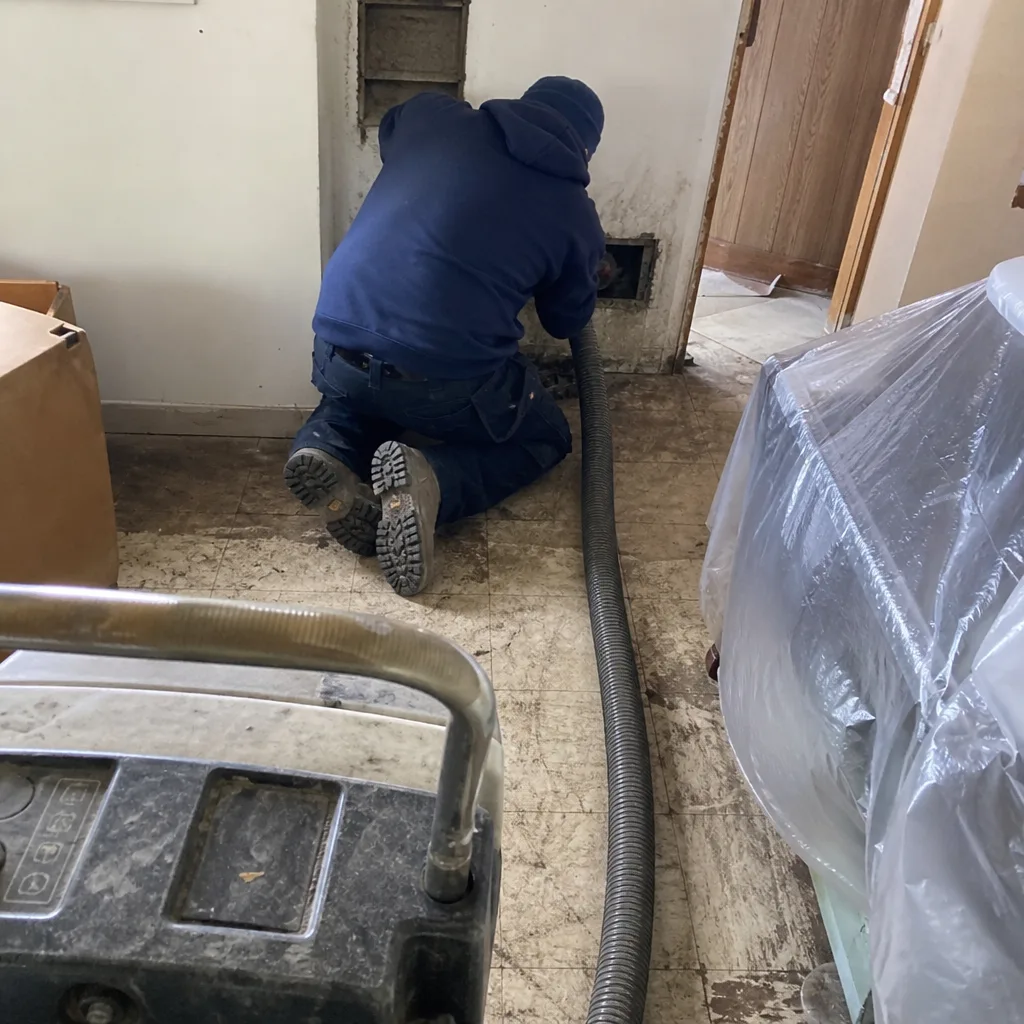 Before
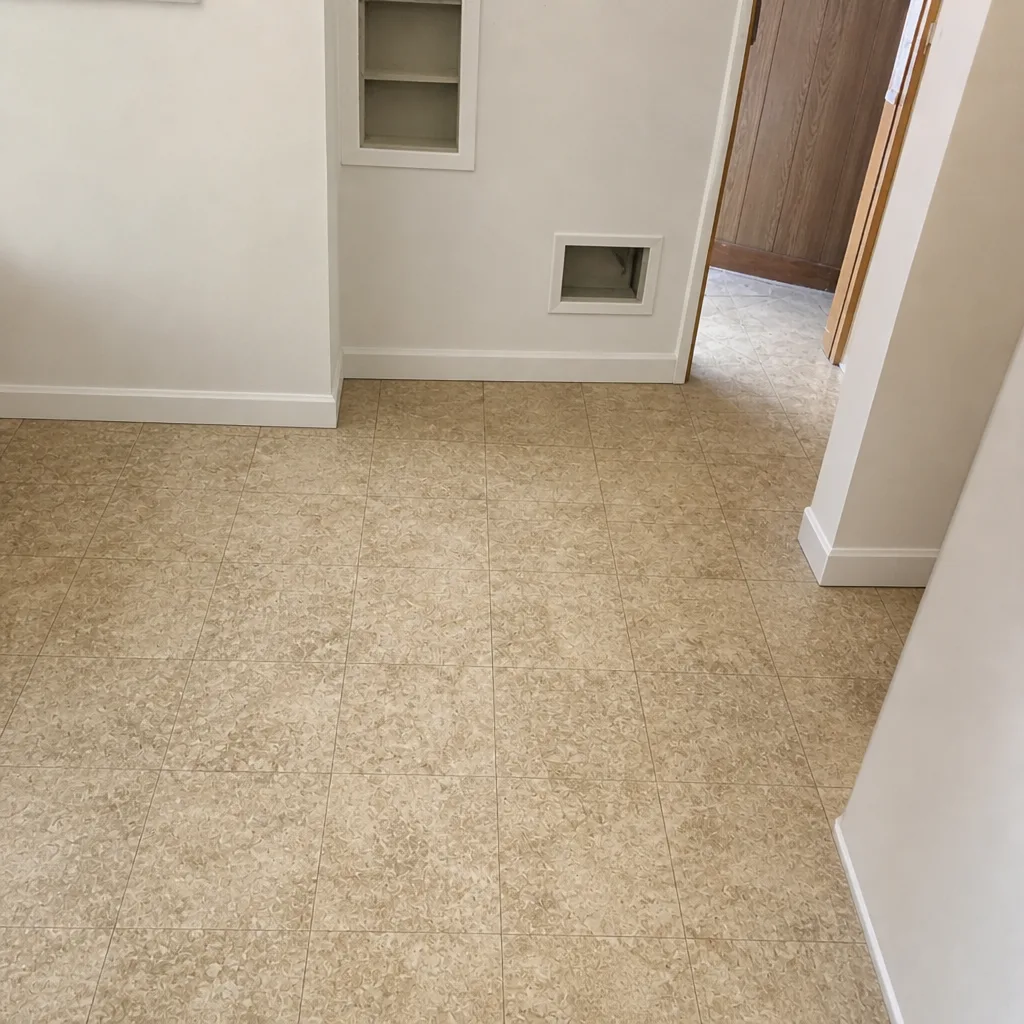 After
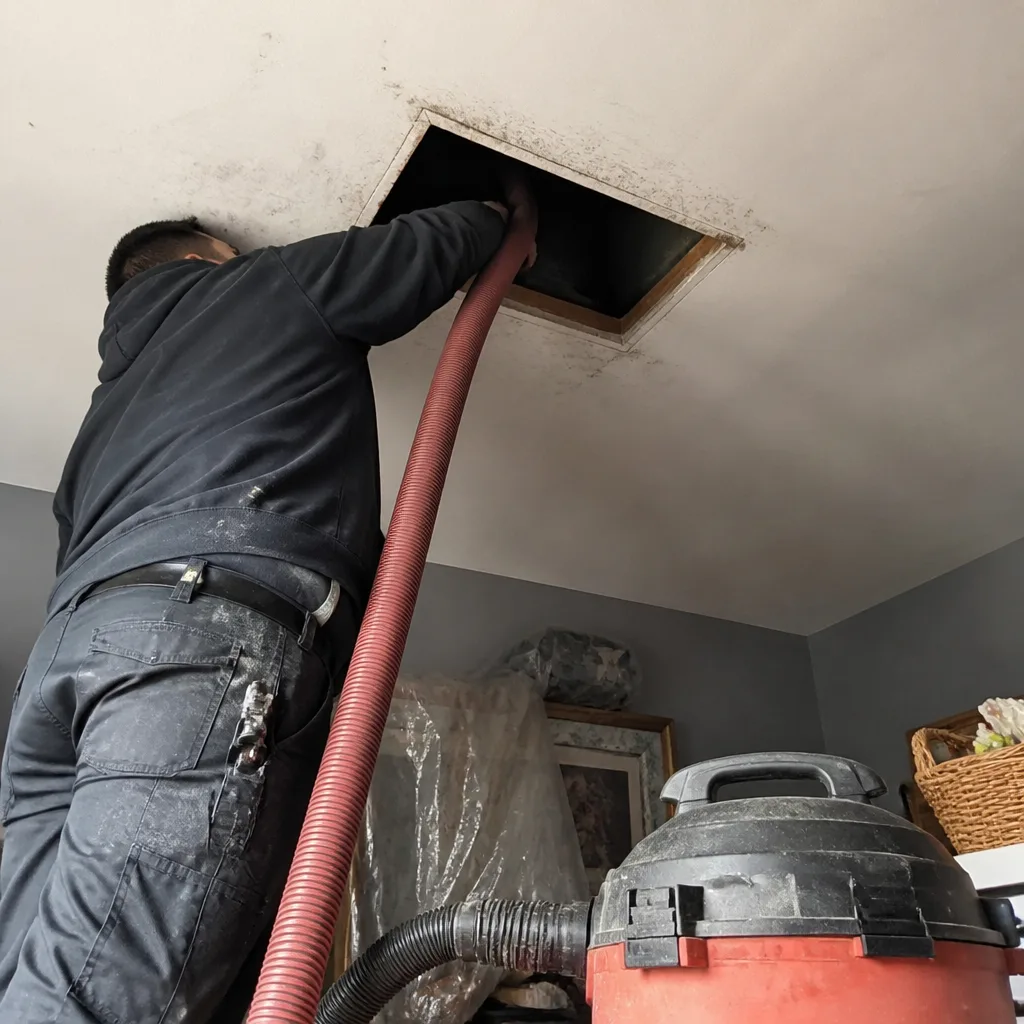 Before
 After
 Before
 After
When to Call a Professional
Most of this checklist you can run yourself indefinitely. These are the moments to stop and call:
- Odor that persists after cleaning or correlates with the system cycling on.
- Visible dust streaking at registers that comes back within days of cleaning.
- Recent renovation, water intrusion, or a move into a home with unknown service history.
- A dryer that takes noticeably longer than it used to, or a vent line that hasn’t been cleared in over two years.
- Any inspection finding of a disconnected joint or a breach in ductwork.
Air Duct Cleaning Fordham offers free estimates in Fordham and handles the full pathway, ducts to HVAC to sealing to sanitizing, on one visit. We use professional-grade equipment from Rotobrush, Nikro, and Abatement Technologies, and we give you one clear price per system agreed before work starts. Call (833) 901-6929. We answer 24/7. Fast dispatch from 7am to 7pm, Sunday through Friday.
Frequently Asked Questions
Every 3 to 5 years for a standalone house, sooner after a renovation, after water intrusion, or if you’ve moved into a home with unknown service history. Co-op and condo residents should clean their in-unit runs on that same cycle and follow the building’s own schedule for shared systems. Call (833) 901-6929 for an exact quote. Estimates are free.
It’s not enough. The lint trap catches only a fraction of what a load produces, and the full vent line is where lint accumulates over years, especially in taller Fordham buildings with long, bent runs. Clear the trap every load, check the short duct yearly, and have the full line professionally cleared every 1 to 2 years.
Only if you have ductwork. Radiators and window units don’t have ducts, but many Fordham apartments run a through-wall AC, a mini-split, or a ducted system for part of the home. If there’s a ducted system, the checklist applies to it. If not, the seasonal radiator and window unit checks are your whole indoor air maintenance list.
Ask for before-and-after photos of your own ducts. That’s the clearest evidence available, and any honest provider will have them. Combine that with a written scope of work and one flat price per system agreed before anything starts, and there’s very little room for ambiguity. Call (833) 901-6929 for a free estimate.
Usually because the scope is different. A low figure quoted over the phone often turns into a much larger invoice once the technician is on site, or it buys a pass with a shop vacuum rather than purpose-built duct equipment. Ask what equipment is used and whether the price is per system or per vent before you book. Call us at (833) 901-6929 and we’ll give you one flat price per system, agreed in writing before work starts.
Purpose-built duct cleaning equipment, not a repurposed shop vacuum. The professional systems from brands like Rotobrush and Nikro are engineered specifically for duct interiors, and Abatement Technologies equipment is built for indoor air remediation. If you want to compare what a full-pathway visit covers, look at HVAC cleaning alongside the duct work. Call (833) 901-6929 to ask what your home needs.
The Bottom Line
A maintenance checklist is only useful if it’s sorted by what you can actually control. For Fordham homeowners, that means three layers: monthly observation you run yourself, seasonal tasks at the heating and cooling changeovers, and professional work on a multi-year cycle. Know your building type, because responsibility for ductwork splits differently in a co-op than in a standalone house. Treat the dryer vent line as a safety item separate from the lint trap. Add a cleaning after any renovation. And document everything with dated photos, because system state compared over time is worth more than any single visit. Air Duct Cleaning Fordham runs all five services under one roof, so leaks found during cleaning can be sealed on the same visit.
Call (833) 901-6929 for a free estimate. We answer 24/7. Fast dispatch from 7am to 7pm, Sunday through Friday.
Written by the team at Air Duct Cleaning Fordham.