
Last updated November 22, 2026
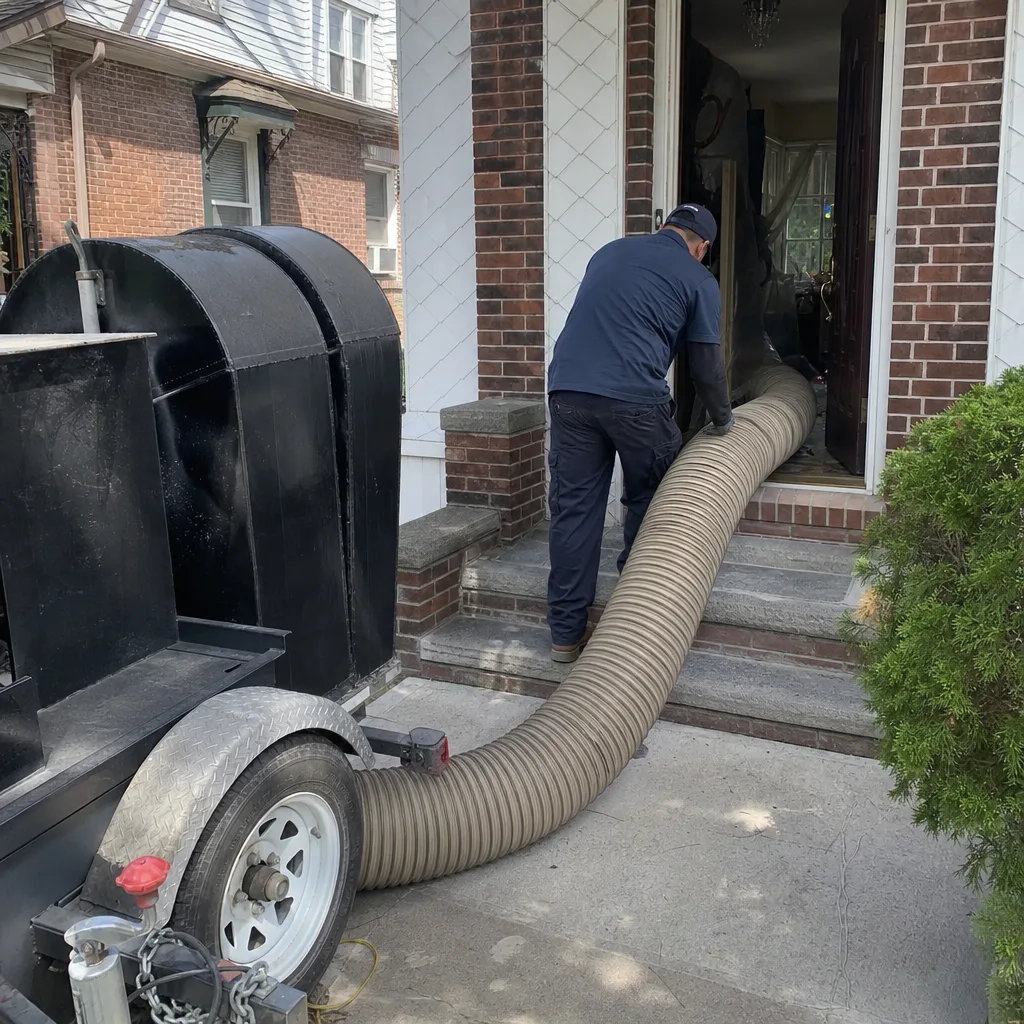
 Whole-home duct cleaning
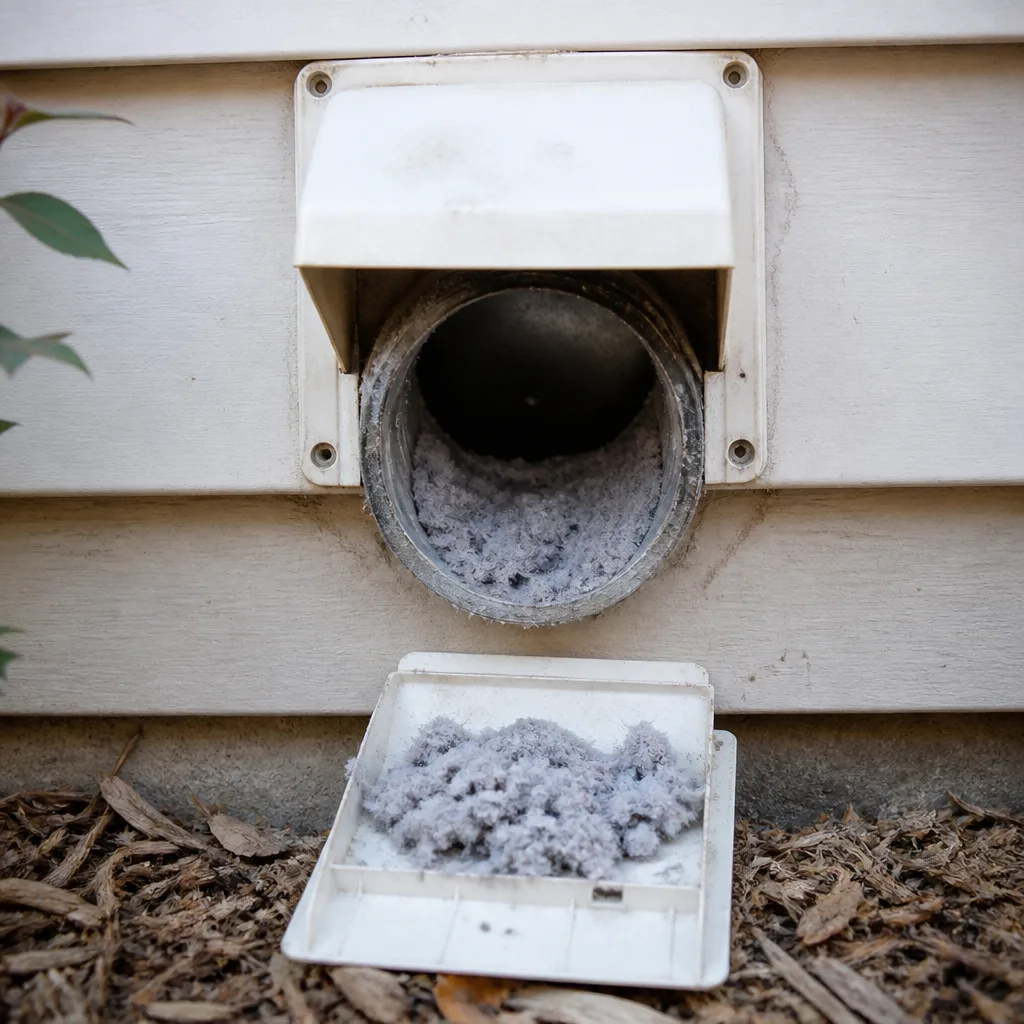 Dryer vent cleaning
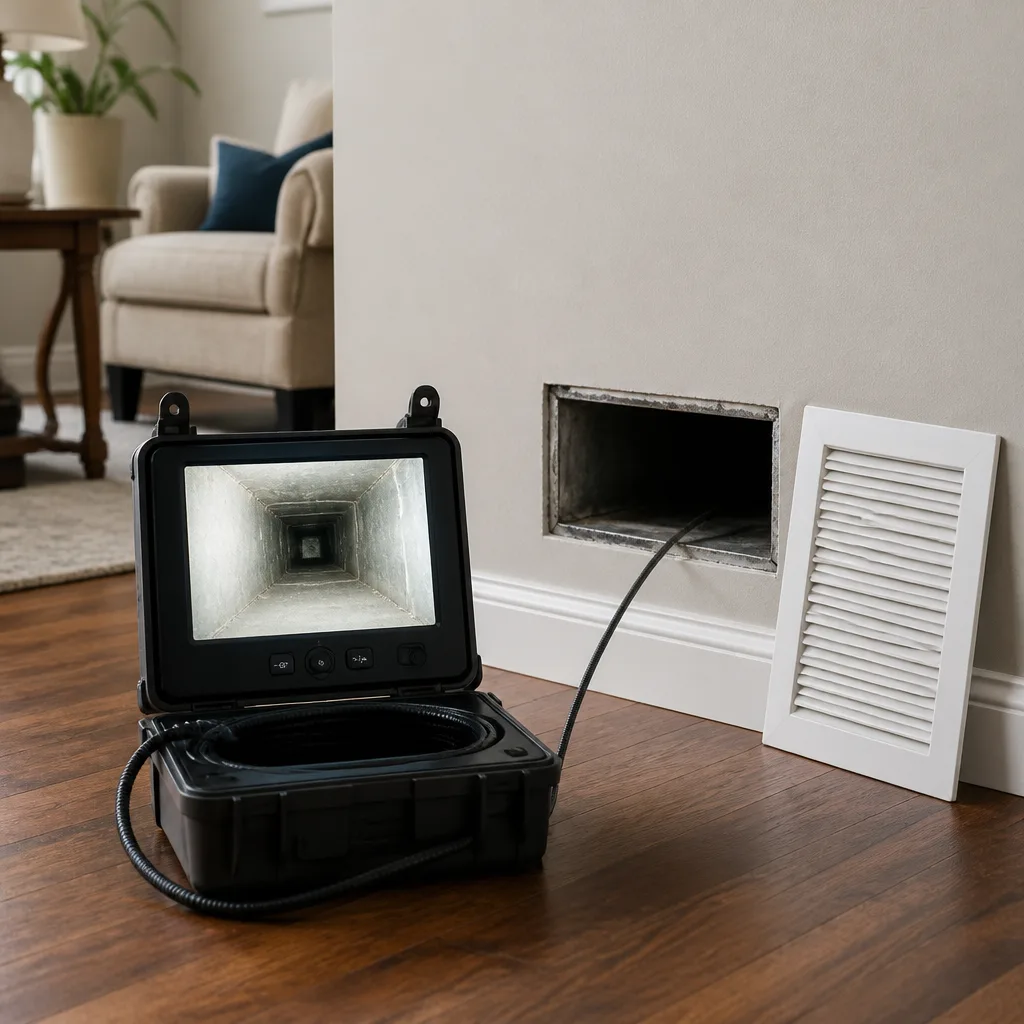 Camera inspection
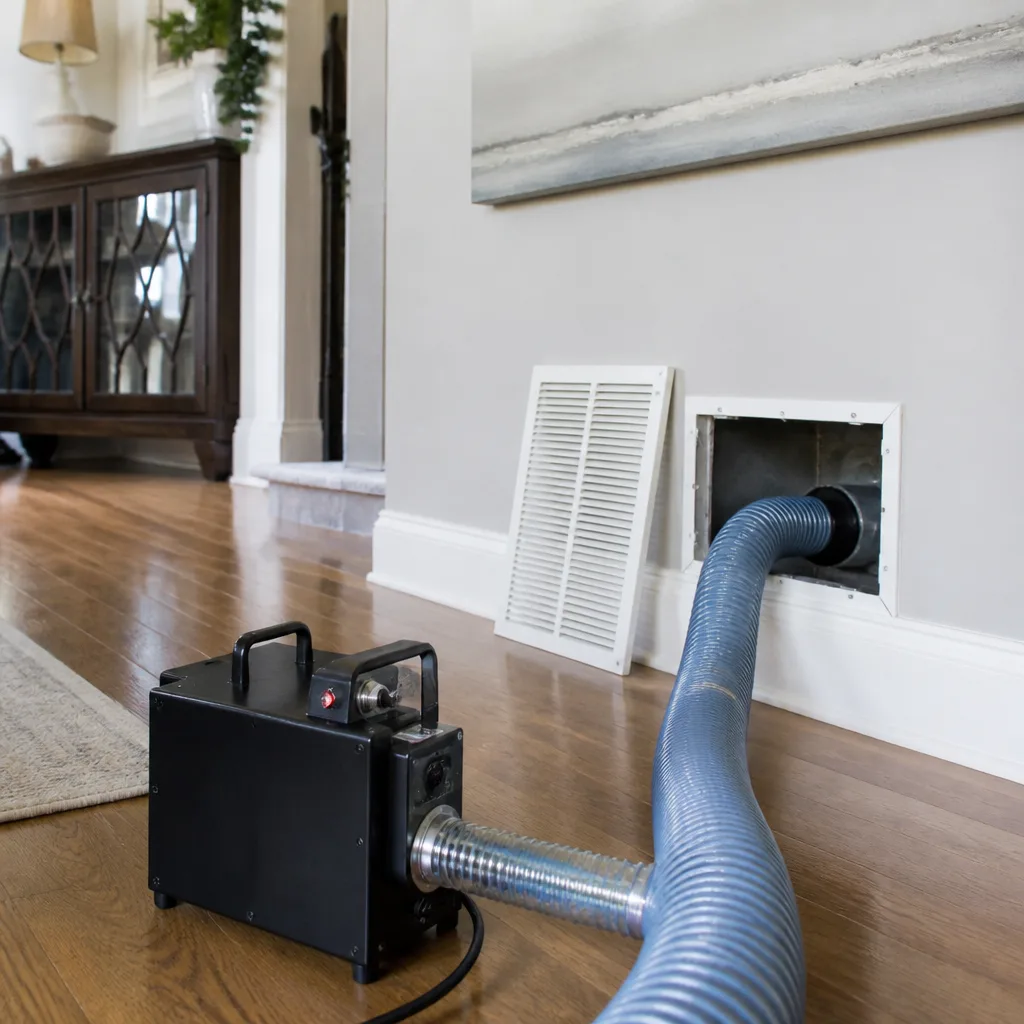 Sanitizing & deodorizing
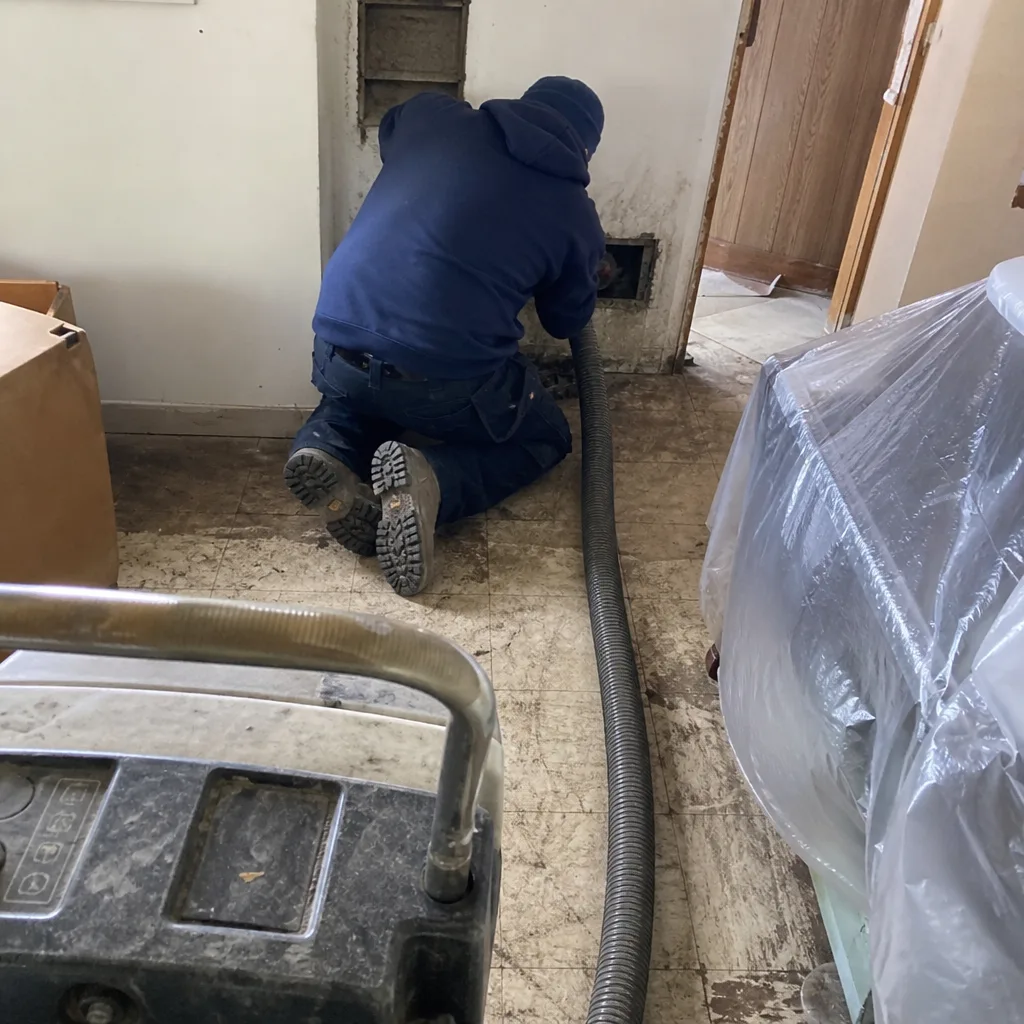
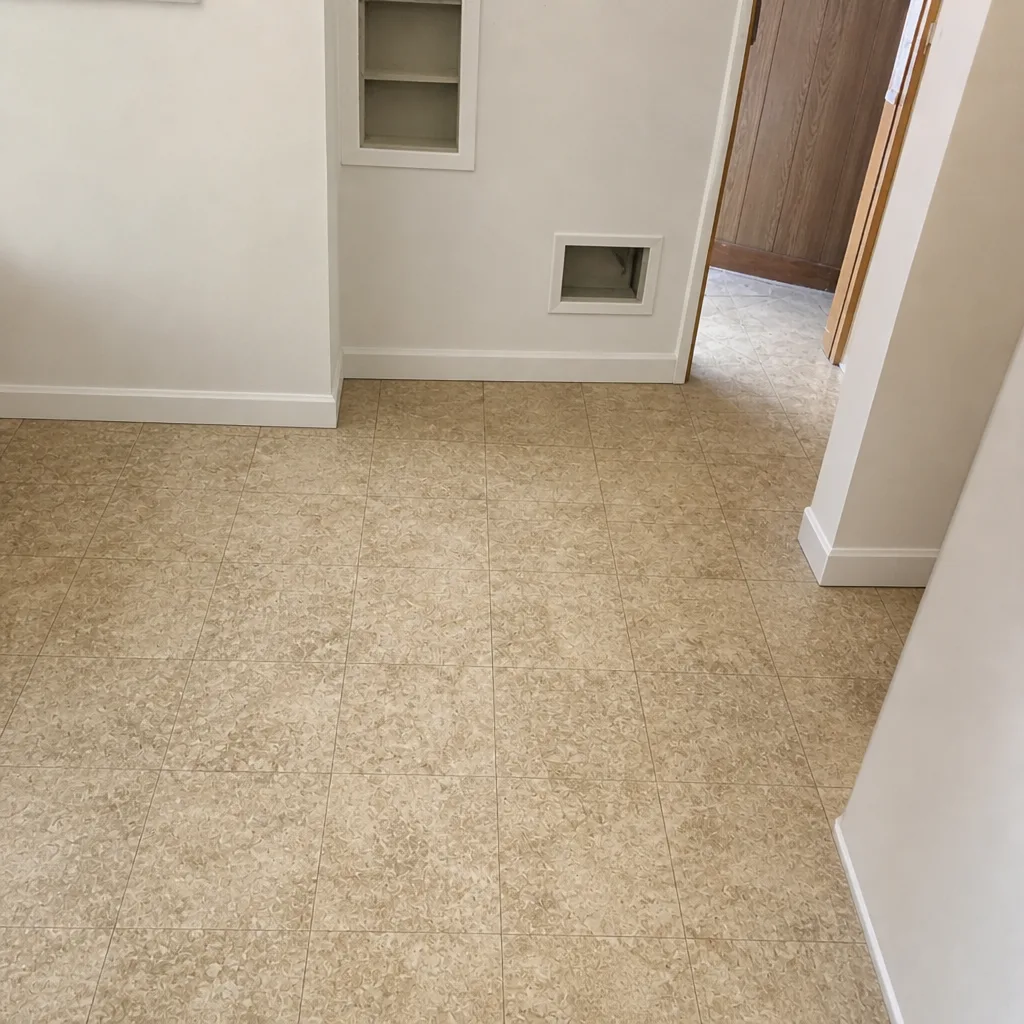
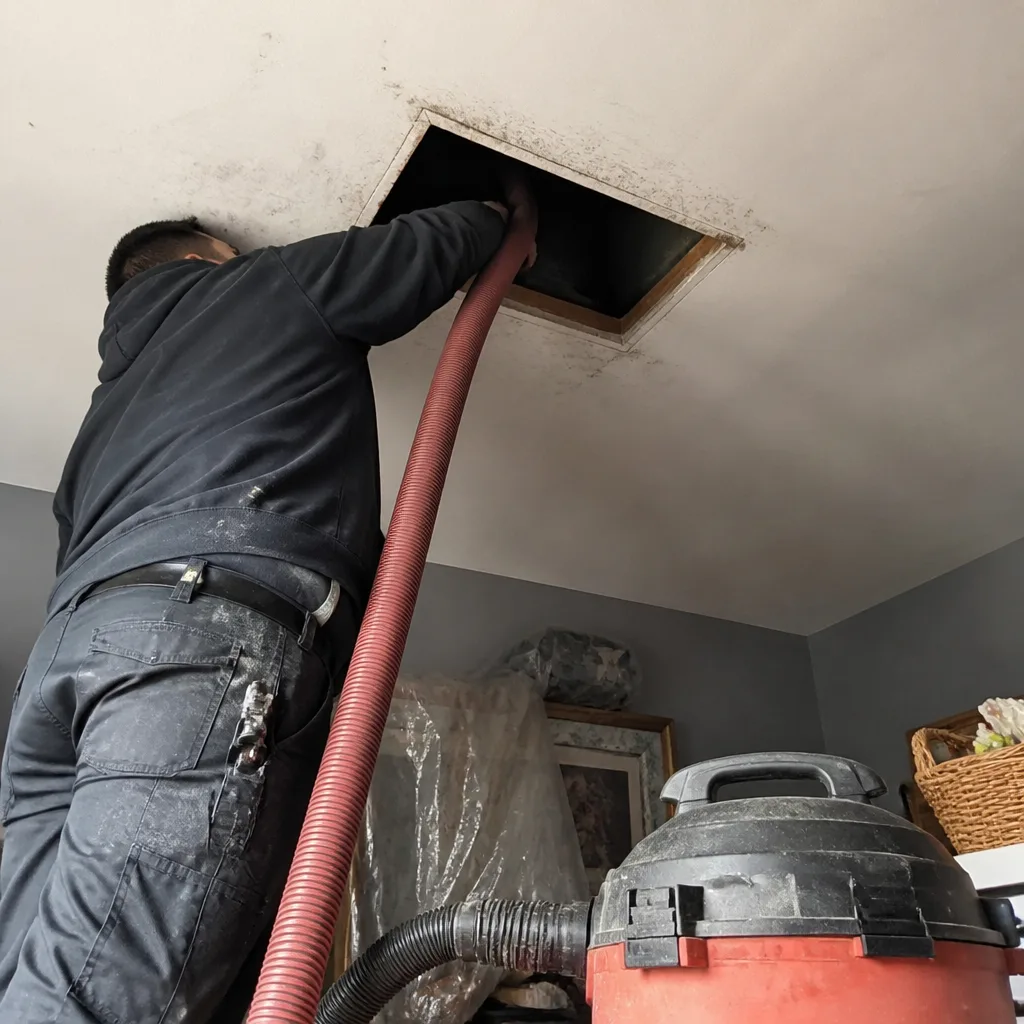
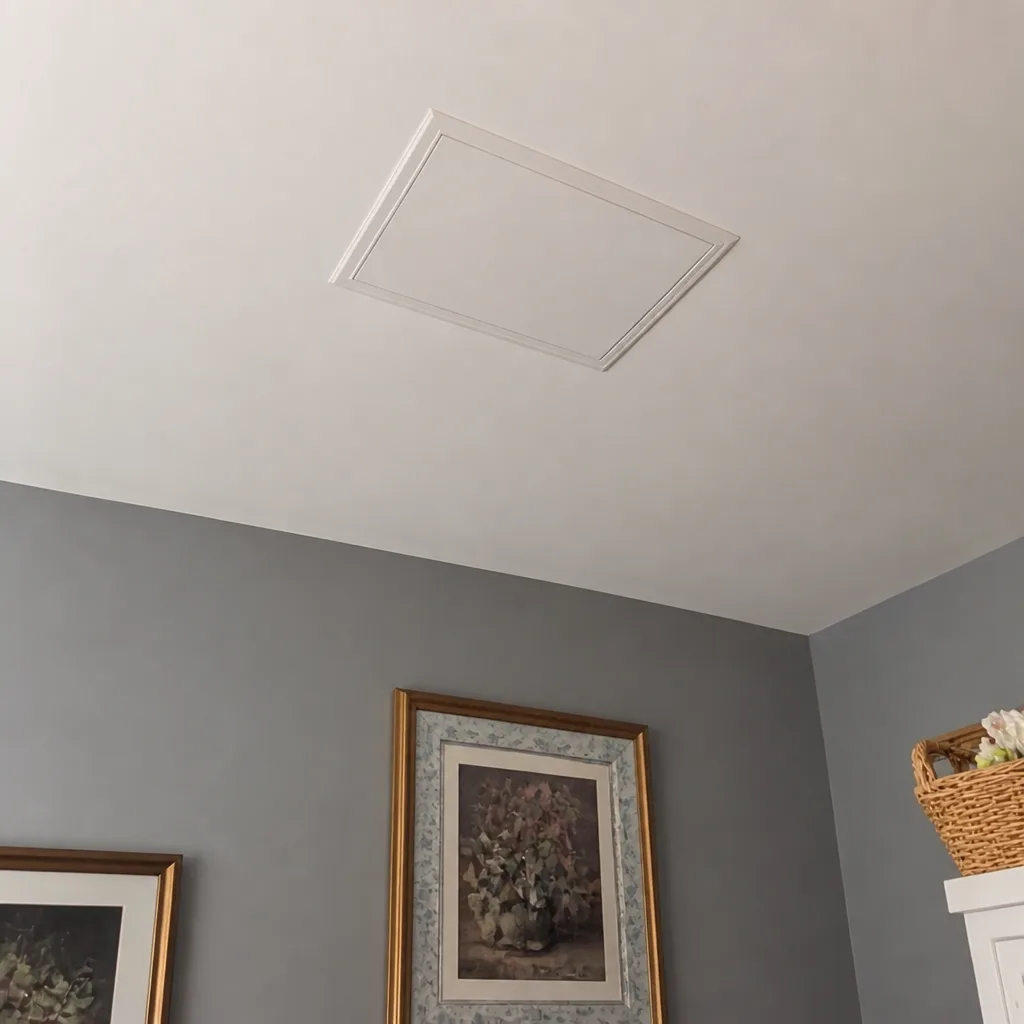
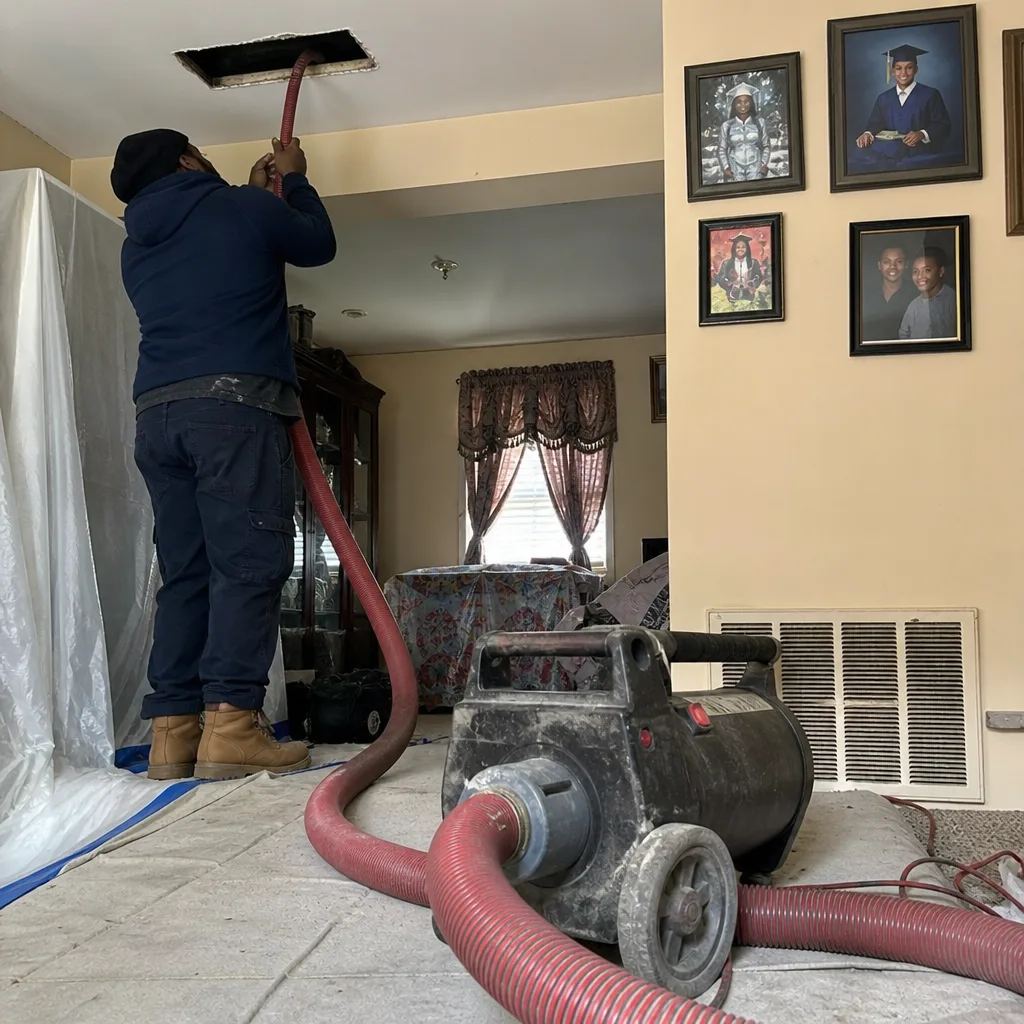
Whole-system duct and dryer vent check with before-and-after photos - you see exactly what came out of your vents
That "$99 whole-house special" is a bait ad - the real number appears once they are in your hallway, or the "clean" is a shop-vac at the register. We photograph the inside of your ducts before and after instead.
Seasonal Air Duct Cleaning Care for Fordham: Year-Round Homeowner’s Guide
January feels like the responsible month to call for duct cleaning. The heating season is over, the house has been closed up for months, and the logic seems clean: get the system serviced before spring. But a winter clean means your ducts already pushed six months of recycled, heated air through whatever had settled in them since the previous fall. The service happens after the exposure, not before it. Scheduling matters as much as frequency, and in Fordham the four seasons don’t stress a duct system the same way. This guide breaks down what each season deposits in your ducts, why an October inspection beats a January cleaning, and how to time filter changes, dryer vent service, and shoulder-season appointments around the way homes here actually breathe.
Styles & brands we work with
- Whole-home duct cleaning
- Dryer vent cleaning
- Camera inspection
- Sanitizing & deodorizing
Quick Answer
Most Fordham homes do best with duct service scheduled in the shoulder seasons, ideally a pre-heating-season inspection in October before the furnace starts running daily, plus a spring check after the heating season ends. A once-a-year cleaning timed to a single season misses the worst buildup of the other three. Homeowners with allergies, recent renovations, pets, or a system that hasn’t been serviced in years should lean toward twice-yearly attention, with dryer vents checked separately.
Table of Contents
- Why Fordham’s Four Seasons Hit Ducts Differently
- Winter: Combustion Byproducts and Dry Heat Dust
- Spring: Pollen Infiltration Through Your Returns
- Summer: Condensation, Coils, and Mold Risk
- Fall: Outdoor Particulate Draw-In
- The Case for an October Inspection, Not a January Clean
- Dryer Vent Urgency Changes with the Season
- Filter Timing Tied to Fordham’s Peaks, Not the Package
- Shoulder Season: The Appointment Window Most Homeowners Skip
- Common Mistakes to Avoid
- When to Call a Professional
- Frequently Asked Questions
- The Bottom Line
Why Fordham’s Four Seasons Hit Ducts Differently
A duct system in Fordham doesn’t accumulate one kind of debris. It accumulates a layered record of the year. Winter leaves dry heat dust and whatever combustion byproducts a heating system produces. Spring pulls tree and grass pollen in through the return side. Summer puts condensation on cold coils and creates the conditions for microbial growth. Fall drags in outdoor particulate from leaf litter, soil, and whatever’s blowing around outside. Each season’s deposit sits on top of the last one, and each one has a different removal profile.
That’s the core reason a single annual cleaning underserves most homes here. If you clean in March, you clear the winter layer and miss the spring pollen entirely. If you clean in November, you clear the fall layer and leave the winter deposits to circulate until spring. The timing question isn’t “how often” so much as “when in the year does the cleaning do the most work.”
Fordham’s housing stock matters too. Older homes have ductwork that’s been through decades of seasonal cycling, sometimes with joints that have loosened and seams that have opened. Every leak in a duct system means some of what’s in the air bypasses the filter and lands in the duct instead. When we inspect a Fordham system, we’re looking for those breaches before we recommend a cleaning schedule, because a leaking duct will re-soil itself faster than the schedule can keep up with.
Climate here is a genuine four-season cycle, not a mild one. Homes are closed up and heated for months, then closed up and cooled, with short shoulder windows when the windows are actually open. Those closed-up stretches are exactly when whatever’s in the ducts gets recirculated the most. The seasons drive the contamination; the way homes here run drives the exposure.
How the annual cycle stacks up
- Winter: heating runs daily, ducts recirculate dry heated air, combustion byproducts and fine dust dominate.
- Spring: returns pull in tree and grass pollen from open windows and door traffic.
- Summer: AC runs daily, condensation forms on coils, and the cool, damp interior of the system favors microbial growth.
- Fall: outdoor particulate from leaf litter and soil gets drawn in as homes transition back to closed-up mode.
If you want the service walked through in detail, our page on air duct cleaning covers what a full-system job involves from inspection to finish.
Winter: Combustion Byproducts and Dry Heat Dust
Winter is the season when most Fordham homeowners actually think about their ducts, and it’s the season when the ducts are working hardest. The furnace or boiler runs daily for months. Heated air is dry air, and dry air carries fine dust more readily than humid air does. Every time the system cycles on, it moves that dust through the supply side and back through the returns.
If your home has any combustion appliance connected to the HVAC system, winter is also when combustion byproducts are being produced. A properly vented and properly maintained system handles them, but a system with poor draft, a dirty heat exchanger, or a return that’s drawing from the wrong place can leave traces in the ductwork. This is one of the reasons we recommend inspecting the HVAC unit alongside the ducts; the hvac cleaning service exists for exactly this layer of the system, and doing it alongside a duct cleaning means the whole air pathway gets addressed in one appointment.
The other winter issue is filter loading. A filter that was fine in October is doing much more work in January. Most homeowners run a filter too long in winter because the manufacturer’s interval says 90 days and they assume 90 days applies year-round. In Fordham, heating season usually runs longer and harder than cooling season, so the filter the system needs in February is usually a more frequent change than the box suggests.
What winter leaves behind
- Fine dust from dry heated air, concentrated on the supply side and returns.
- Combustion byproducts in homes with connected combustion appliances, especially where draft is imperfect.
- Loaded filters that are running past their useful life because the box interval doesn’t match the season.
- Dust stirred up by the circulation itself, redistributed into every room the ducts serve.
Here’s the thing about winter damage: it doesn’t appear in January. It accumulates. By the time the heating season ends, the ducts have been the air handler’s conveyor belt for months. A cleaning in spring clears what winter left; a cleaning in January clears only part of it and lets the rest sit through another cycle.
Spring: Pollen Infiltration Through Your Returns
Spring in Fordham brings two things that matter to a duct system: open windows and pollen. Tree pollen arrives first, then grass pollen follows. Every time a window is open, every time someone walks in from outside, and every time the system pulls return air from a room with an open door or window, some of that pollen gets drawn into the return side of the system.
Pollen particles are small enough to pass through many standard filters and light enough to stay suspended. Once they’re in the return ductwork, they settle on the interior surfaces, and the system recirculates them every time it runs. For anyone in the household with seasonal allergies, this is the mechanism that makes symptoms worse indoors than outdoors on high-pollen days. The house feels closed up and safe, but the ducts are holding yesterday’s pollen load.
Spring is also when homeowners tend to do their annual deep clean, and that stirs up dust that the HVAC system then pulls in. If you’re opening windows for ventilation and dusting the whole house, the return side is doing more work than usual. That’s a good argument for scheduling the spring service after the deep clean rather than before it.
In our experience, spring jobs in Fordham often turn up pollen buildup concentrated in the returns and in the air handler cabinet, with the supply side relatively cleaner. The pattern is informative: it tells you the contamination is coming in from the outside air path, not from internal breakdown. Once the return side is clean, the correct filter change schedule is what keeps it clean.
Steps for handling spring properly
- Finish your spring deep clean and dusting first.
- Change the filter before the first cleaning appointment, not after.
- Have the return side inspected for pollen and dust loading.
- Address any return duct leaks before they pull in more outdoor air than they should.
- Consider whether a sanitizing step makes sense if odors accompany the pollen load.
Spring is when the air duct cleaning Fordham service makes the most visible difference for allergy-sensitive households, because the pollen load is the highest of the year and the system is about to switch from heating to cooling.
Summer: Condensation, Coils, and Mold Risk
Summer in Fordham means the AC runs daily, and the cooling side of the system has a moisture problem the heating side doesn’t. Cold coils condense moisture out of the air. That moisture has to drain properly. When it does, everything is fine. When it doesn’t, the coil cabinet and evaporator area stay damp, and damp organic material in a dark enclosed space is exactly the environment where microbial growth starts.
Ducts downstream of a damp coil get the humidity too. Flexible duct runs with any sag or low spot can hold moisture. Insulated duct that’s had its vapor barrier compromised will sweat. Over a humid summer, that moisture supports growth on the interior lining. This is the reason we pair duct cleaning with air quality and sanitizing rather than treating cleaning as a standalone step; the microbial question is a separate question from the debris question, and both need addressing.
Homeowners notice summer mold risk through smell more than sight. A musty odor when the AC first kicks on is the classic signal. The odor isn’t the mold itself; it’s the volatile compounds it produces, and it travels through the ducts to every room the system serves.
What to watch for in summer
- Musty odor at startup: coil or duct moisture, worth inspecting.
- High indoor humidity even with the AC running: the system may not be removing moisture properly.
- Water in the drain pan or near the air handler: a drainage problem that will feed microbial growth if it persists.
- Visible moisture on duct runs in unconditioned spaces: a vapor barrier problem that a sealing job can address.
We use professional-grade equipment from brands including Abatement Technologies when indoor air quality remediation is on the table, because the equipment needs to be engineered for the job rather than repurposed from another trade. Rotobrush and Nikro systems are purpose-built for duct cleaning and handle both the debris removal and the surface contact the job requires. If you suspect a microbial problem, the answer isn’t a stronger filter; it’s an inspection and, if warranted, a sanitizing step after the cleaning.
Fall: Outdoor Particulate Draw-In
Fall is the transition season in Fordham. Windows close, the heating system comes back on, and the system pulls particulate that’s been accumulating outside: leaf litter, soil, fine grit from paths and driveways, and whatever else gets tracked in. Rainy fall days push particulate into the air and into the soil, and the next dry day lifts it back up. Door traffic carries it indoors. The return side captures it.
Fall is also when many homeowners first notice a problem, because the system that was quiet all summer suddenly kicks on and there’s a dust smell. The ducts haven’t changed; the air running through them has. The summer cycle was cooling, which pulls less air through the supply ducts than heating does. The fall restart is a higher-volume run through the same ductwork, and any settled dust from the summer gets stirred up.
This is the season when duct sealing pays off most visibly. A duct system with leaks in the attic, basement, or crawl space is pulling in unconditioned outdoor air year-round, but the fall draw-in is the most noticeable because the outdoor air is suddenly cooler and dirtier than the indoor air. If we find leaks during a fall inspection, the air duct cleaning Fordham visit can include sealing on the same visit rather than a separate appointment.
Fall is the last clean window before winter. It’s also the season that precedes the one that matters most for scheduling, which brings us to the October question.
The Case for an October Inspection, Not a January Clean
Here’s the scheduling argument in one line: October catches buildup before it circulates, January catches it after. A pre-heating-season inspection in October means the ducts are clean going into the months when the heating system runs daily. Any contamination from the previous cooling season gets removed before it has a chance to be recirculated through the whole house six months of winter long.
A January clean means the ducts already ran the heating season’s worth of air through whatever was there in the fall. The cleaning happens after the exposure. You can clean the ducts in January and they’ll still be cleaner than they would have been if you’d waited until March, but you’ve spent the winter breathing through a system that wasn’t serviced at the right point in the year.
The October inspection also serves a different purpose than a cleaning. In October, a technician can check the heating side of the system before it’s called on to work all day every day. Combustion appliance venting, heat exchanger condition, blower and motor condition, and duct integrity all get reviewed when there’s time to schedule the actual service before the heating season starts. Doing the same inspection in mid-winter means either waiting for a service slot or doing it under more pressure.
Why October specifically
- Heating season hasn’t started, so the system is quiet and accessible.
- The previous cooling season’s accumulation can be cleared before it gets recirculated.
- Any leaks, breaches, or failing joints can be sealed before winter air movement exposes them further.
- Filter and equipment condition can be checked and addressed with time to spare.
- Appointment availability is better in October than in the middle of the first cold snap.
The same argument applies in reverse in spring: an April or May inspection catches the cooling side before the AC ramps up. Both shoulder seasons are pre-season, not post-season. The goal is to walk into each heavy-usage season with a system that’s ready, not to clean up after it.
Dryer Vent Urgency Changes with the Season
Dryer vent lint accumulation is not a steady thing. It’s driven by how often the dryer runs, and how often the dryer runs changes with the season. Winter is the highest-use period in most Fordham homes: heavier clothing, wet boots and coats, and the general tendency to do more laundry when everyone’s inside. More loads per week means faster lint buildup, and faster lint buildup means the elevated fire risk concentrates in the early part of the year, when the vent has had the full winter workload.
That’s the case for checking and cleaning the dryer vent in late winter or early spring, after the heaviest usage period, rather than treating it as an annual chore done whenever it comes up. If you’re going to pick one time of year, pick the transition out of winter. dryer vent cleaning is a standalone safety service, not an add-on to a duct job, and it deserves its own place on the calendar.
Lint is highly combustible, and a vent that’s restricted by lint also causes the dryer to run hotter and longer, which compounds the risk. The visual warning signs are simple: clothes taking longer to dry than they used to, the dryer feeling hot to the touch on the outside, a burnt smell in the laundry area, or lint visible around the vent hood outside. Any of these is a reason to have the vent inspected promptly rather than at the next scheduled service.
Dryer vent seasonal checklist
- After winter: schedule a vent cleaning to clear the accumulated lint from the heaviest-use months.
- Before winter: check the outside vent hood for blockage and confirm the flapper moves freely.
- Any time: if drying times have lengthened noticeably, treat it as a warning, not a quirk.
- Any time: if the dryer or laundry area smells burnt, stop using the dryer until the vent is inspected.
We treat dryer vents as a safety issue rather than a chore, because that’s what they are. A clogged vent is a fire risk that builds quietly and then stops being quiet.
Filter Timing Tied to Fordham’s Peaks, Not the Package
The filter box says 90 days. Fordham’s seasons say something different. A filter schedule that matches this climate looks more like: change at the start of heating season, change again mid-season during the high-load winter months, change at the start of cooling season, and change again during the high-pollen spring stretch. That’s a roughly seasonal rhythm, not a quarterly one, and it responds to what the filter is actually seeing.
A technician looks at two things to calibrate the schedule: the filter itself and the system. The filter tells you how fast it loaded and with what. A filter loaded with fine grey dust is telling you about dry winter air and fine particulate. A filter loaded with visible pollen and organic material is telling you the return side is doing outdoor-air work. A filter that’s uniformly dark and slightly damp is telling you the system is running long cycles and possibly dealing with moisture.
The system tells you how hard the filter is working. A system with undersized return ducting pulls harder through the filter, so the filter loads faster than the box predicts. A system with duct leaks bypasses the filter, so the filter stays clean but the ducts get dirty. That’s the paradox worth knowing: a filter that stays clean for an unusually long time can be a sign of bypass, not efficiency.
What to check to set a schedule
- Note the season when you last changed the filter and how many weeks it lasted.
- Look at the filter color and texture: fine grey dust, visible pollen, or damp dark loading each tell you something different.
- Check whether the filter is sized and seated correctly so air can’t bypass it.
- Ask for a return-duct inspection if the filter stays clean longer than it should.
- Adjust the change interval based on what you find rather than what the package says.
Filter quality matters too. A high-MERV filter in a system with marginal airflow can do more harm than good. The right filter is the one the system can move air through without straining. Honeywell and Aprilaire filter products are the ones we’re used to seeing in Fordham homes with properly sized filter cabinets, and they’re a reasonable reference point when you’re choosing.
Shoulder Season: The Appointment Window Most Homeowners Skip
April and May, and September and October, are the two windows when Fordham homes don’t really need heating or cooling at full tilt. Those are also the two windows when a duct system can be serviced at the best of both worlds: the heating system is accessible because it’s not running daily, the cooling system is accessible because it’s not running daily, and both can be serviced in the same visit before either ramps up.
The availability argument is practical. In peak heating and cooling season, everybody wants service. In shoulder season, most homeowners haven’t thought about it yet. That means scheduling is easier, and the appointment isn’t competing with the same day that half the block’s system broke. If you’re reading this in April or September, you’re in the window.
The combined-visit argument is the one that matters for the service itself. In a shoulder-season appointment, a technician can inspect the full air pathway: supply and return ducts, the air handler, the blower, the coil, the filter cabinet, and the connecting runs. That’s the whole system, checked in one pass, before either season adds load. In peak season, the same job often gets split across multiple visits because the system is in active use and the schedule is tighter.
Shoulder season is also when duct repair and sealing work is easiest to schedule. If the inspection turns up a leak, a breach, or a failed joint, the repair can go on the same visit rather than getting pushed out weeks. Our position is simple on this: we find the leak, we seal the leak, on the same visit. Duct repair and sealing alongside cleaning means you’re not dealing with one contractor for the cleaning and another for the repair, and the system gets closed up before it gets used hard again.
Five services, one appointment, before the season that matters. That’s the shoulder-season pitch in plain terms: air duct cleaning, dryer vent cleaning, HVAC cleaning, duct repair and sealing, and air quality and sanitizing. All of it can be done in the window between the seasons, with the equipment on hand and the system accessible.
Common Mistakes to Avoid
- Cleaning in January after the heating season. The service happens after the exposure, not before it. Schedule the inspection in October so the ducts are clean going into the months of daily heating.
- Running the same filter interval year-round. The box says 90 days; Fordham’s heating season says otherwise. Adjust the schedule to the seasonal peaks, and check the filter in mid-winter and mid-spring, not just quarterly.
- Skipping the dryer vent because the ducts were cleaned. The dryer vent is a separate safety system with its own seasonal rhythm. Lint builds fastest in winter, and the risk concentrates in the months right after. Treat it as its own line item.
- Cleaning ducts without inspecting for leaks. A duct system with breached seams will re-soil itself faster than any cleaning schedule can keep up. Ask for an inspection of the duct integrity, not just a cleaning.
- Ignoring the musty smell in summer. A musty odor at AC startup is moisture telling you it’s there. It doesn’t resolve on its own, and the microbial question needs a sanitizing step after cleaning, not just more filtration.
- Assuming a clean filter means clean ducts. A filter that stays clean longer than expected can mean air is bypassing it through a leak. Check the filter seating and ask for a return-side inspection if something looks off.
- Waiting until a system breaks to call. Duct and vent work is best done pre-season, before the system is under load and before the schedule fills. A quiet system in April is a much better time to schedule than a struggling one in July.
When to Call a Professional
Some duct conditions are visible from the register: a layer of dust that reappears within days of cleaning, a musty smell at AC startup, visible debris falling from supply vents, or lint accumulating around the dryer vent. Others are only visible from inside the system: duct seams that have opened, insulation that’s failed, a coil that’s fouled, or a heat exchanger that needs inspection. The visible ones are a good reason to call; the invisible ones are a better one.
If you’re planning a renovation, moving into a home that hasn’t been serviced in years, dealing with a household member’s allergy symptoms that don’t resolve indoors, or you’ve just noticed the dryer taking longer than it used to, those are all signals worth acting on. The dryer vent, in particular, is a safety item, not a maintenance item. If it’s been a while, get it checked.
Air Duct Cleaning Fordham offers free estimates in Fordham. Call (833) 901-6929. We answer 24/7. Fast dispatch from 7am to 7pm, Sunday through Friday. Our technicians have up to 8 years of experience, and every job is priced by written estimate before any work starts. One flat price per system, agreed up front, with before-and-after photos of the work.
Frequently Asked Questions
October, before the heating season starts, is the best time for most Fordham homes, because it clears the previous cooling season’s accumulation before the heating system recirculates it for six months. A spring check after the heating season ends catches what winter left. The shoulder seasons (April – May and September – October) offer easier scheduling and the ability to service both the heating and cooling components in one visit. Call (833) 901-6929 for an exact quote; estimates are free.
Most Fordham homes do best on a seasonal inspection rhythm, with a full cleaning as the inspection warrants rather than on a fixed annual schedule. Homes with pets, recent renovations, allergy-sensitive occupants, or a system that hasn’t been serviced in years benefit from more frequent attention. A once-a-year cleaning timed to the wrong season can actually miss the worst of the year’s buildup. Call (833) 901-6929 for an exact quote; estimates are free.
Low quotes often reflect a per-vent price that only covers surface vacuuming of the visible register and a short run of duct, with the air handler, coil, and return side out of scope. The full job, with professional-grade equipment, includes the supply and return sides, the HVAC unit, and the inspection that catches leaks and breaches. We give one flat price per system, agreed before work starts, so the price doesn’t change once the technician is on site. Call (833) 901-6929 for an exact quote; estimates are free.
Ask for before-and-after photos of your own system, not stock images, and confirm the scope in writing before the work starts. A professional-grade cleaning leaves visible evidence: the interior surfaces of the return and supply runs, the condition of the air handler, and the clarity of the coil. We provide before-and-after photos of the actual work as part of every job. Call (833) 901-6929 for an exact quote; estimates are free.
Yes. Winter is the highest-use period for most households, which means faster lint accumulation and a higher fire risk in the months right after. That’s the argument for scheduling a dryer vent cleaning in late winter or early spring, after the heaviest usage, rather than treating it as an annual chore done at any time. Dryer vents are a safety system, not a cosmetic item. Call (833) 901-6929 for an exact quote; estimates are free.
No. A better filter helps, but it’s one part of the system, and a high-MERV filter in a system with marginal airflow can make things worse. Pollen already inside the return ductwork, moisture on a coil, and leaks in the duct seams all need to be addressed directly rather than filtered around. Filter timing should be tuned to the season and the system, not fixed to the package interval. Call (833) 901-6929 for an exact quote; estimates are free.
The Bottom Line
Fordham’s four seasons stress a duct system four different ways, and a cleaning timed to a single season catches one of them. Winter leaves dry heat dust and combustion byproducts; spring pulls in pollen through the returns; summer puts moisture on coils and creates microbial risk; fall drags in outdoor particulate. The right schedule is a pre-season inspection in October and a post-season check in spring, with shoulder-season appointments for combined heating and cooling service when the system is quiet. Dryer vents have their own rhythm, concentrated in late winter after the heaviest usage. Filters need to be timed to Fordham’s peaks, not the package. And a system with leaks re-soils itself faster than any schedule can keep up with, so find the leak and seal it on the same visit.
If you’re ready to schedule, call (833) 901-6929. We answer 24/7. Fast dispatch from 7am to 7pm, Sunday through Friday. Free estimates, one flat price per system, before-and-after photos, and professional-grade equipment from brands including Rotobrush, Nikro, Honeywell, and Aprilaire. Duct cleaning, dryer vent cleaning, HVAC cleaning, duct repair and sealing, and air quality and sanitizing under one roof, in one appointment.
Written by the team at Air Duct Cleaning Fordham.
See the difference
 Before
 After
 Before
 After
 Before
 After